Have you ever noticed your garage door making strange noises or struggling to open smoothly? It’s easy to ignore these signs until the door completely fails, leaving you stranded or compromising your home’s security. Understanding what is included in a garage door tune-up can help you prevent costly repairs and keep your daily routine running without a hitch.
A professional tune-up is not just a quick look-over; it is a comprehensive health check for one of the largest moving parts of your home. By knowing exactly what technicians do, you can ensure you are getting value for your money and maintaining a safe environment for your family.
Why Regular Garage Door Maintenance Matters
Before diving into the specific tasks, it is crucial to understand why this service is non-negotiable for homeowners. A garage door weighs hundreds of pounds and operates under high tension. Without regular maintenance, small issues can escalate into dangerous failures.
According to industry experts, a well-maintained garage door can last up to 30 years, whereas neglected doors may need replacement in less than 15. Furthermore, the International Door Association (IDA) emphasizes that regular inspections significantly reduce the risk of injury from snapped springs or malfunctioning sensors.
Think of a tune-up as an oil change for your car. You wouldn’t drive 100,000 miles without servicing your vehicle, so why treat your garage door differently?
Comprehensive Inspection of Springs and Cables
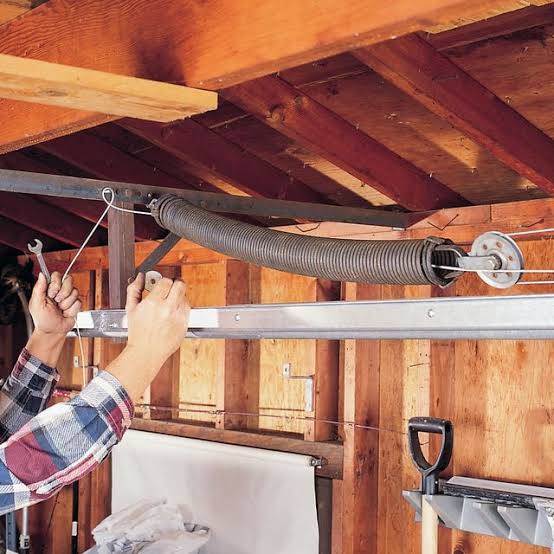
The first and most critical component checked during a tune-up is the spring system. Garage doors rely on either torsion springs (mounted above the door) or extension springs (on the sides) to counterbalance the weight.
Torsion vs. Extension Springs
Technicians will inspect both types for signs of wear, rust, or gaps. For torsion springs, they look for a visible gap in the coils, which indicates the metal is stretching and nearing failure.
- Torsion Springs: Typically last 7–9 years with average use.
- Extension Springs: Often have a shorter lifespan and require more frequent checks.
Cables are also examined for fraying or unraveling. A snapped cable can cause the door to crash down unexpectedly, posing a severe safety hazard. If any damage is found, professionals will recommend immediate replacement rather than repair, as these components are under extreme tension.
Lubrication of Moving Parts
Friction is the enemy of any mechanical system. During a tune-up, a technician will apply specialized lubricant to all moving metal parts. This step is vital for reducing noise and preventing premature wear.
Key Areas for Lubrication
- Hinges: Each section of the door connects via hinges. These are lubricated to ensure smooth folding and unfolding.
- Rollers: The wheels that guide the door along the track are cleaned and oiled. Nylon rollers may not need oil, but steel rollers definitely do.
- Bearings: The center bearing plate and end bearings are greased to allow the spring shaft to rotate freely.
- Locks and Latches: If your door has a manual lock, it is oiled to prevent sticking.
Pro Tip: Avoid using WD-40 as a long-term lubricant. While it cleans well, it dries out quickly and can attract dust. Professionals use silicone-based or lithium-based greases that cling to metal and provide lasting protection.
Track Alignment and Cleaning
The tracks guide the door’s movement. If they are bent, misaligned, or clogged with debris, the door will jerk, stick, or come off the rails entirely.
Step-by-Step Track Check
- Visual Inspection: The technician looks for dents, gaps, or bends in the metal tracks.
- Cleaning: Dirt, spider webs, and hardened grease are wiped away to ensure rollers move freely.
- Alignment Verification: Using a level, the pro ensures the tracks are perfectly plumb (vertical) and parallel. Even a slight misalignment can cause the door to bind.
If minor bends are found, they may be gently hammered back into place. However, severely damaged tracks usually require replacement to ensure safe operation.
Testing Safety Features and Sensors
Modern garage doors are equipped with critical safety features mandated by federal law. A tune-up always includes rigorous testing of these systems to protect your children and pets.
Photo-Eye Sensors
Located near the floor on both sides of the door, these sensors detect obstacles. The technician will:
- Clean the lenses to remove dust or cobwebs.
- Check alignment to ensure they are facing each other directly.
- Test functionality by placing an object in the door’s path while closing. The door should immediately reverse.
Auto-Reverse Mechanism
This feature tests the door’s sensitivity to pressure. The technician places a 2×4 piece of wood on the ground under the door. When the door closes and touches the wood, it must stop and reverse direction. If it does not, the force settings on the opener are adjusted.
For more detailed information on safety standards, you can refer to the Consumer Product Safety Commission guidelines regarding garage door openers.
Opener Adjustment and Battery Backup Check
The garage door opener is the brain of the system. During a tune-up, the technician inspects the motor unit for unusual noises or vibrations.
Key Opener Checks
- Force Settings: Adjusted to ensure the door opens and closes with the right amount of power. Too much force can damage the door; too little can leave it stuck.
- Travel Limits: Set so the door opens fully to let cars in and closes tightly to seal the garage.
- Battery Backup: If your opener has a battery backup for power outages, its charge level is tested. Batteries typically last 3–5 years and should be replaced proactively.
- Remote Controls: Batteries in remotes and keypads are checked, and the range is verified.
Tightening Hardware and Structural Integrity
Vibration from daily use can loosen bolts, screws, and brackets over time. A thorough tune-up involves going over the entire system with a wrench to tighten every fastener.
| Component | Action Taken | Benefit |
|---|---|---|
| Bracket Bolts | Tightened to manufacturer specs | Prevents track separation |
| Hinge Screws | Secured firmly | Reduces rattling noise |
| Opener Mount | Checked for stability | Ensures motor alignment |
| Door Panels | Inspected for dents/cracks | Maintains insulation and curb appeal |
This simple step can eliminate annoying squeaks and prevent structural failures that could lead to expensive repairs later.
Weather Stripping and Seal Inspection
While often overlooked, the weather stripping at the bottom and sides of the door plays a huge role in energy efficiency and pest control.
The technician checks the rubber seal at the bottom of the door for cracks or brittleness. If cold air, rain, or insects are entering your garage, this seal is likely the culprit. Replacing weather stripping is inexpensive but highly effective in keeping your garage comfortable and clean.
FAQ Section
How often should I get a garage door tune-up?
Most manufacturers and professionals recommend a tune-up once a year. However, if you use your door multiple times a day or live in an area with extreme weather conditions, bi-annual service may be beneficial.
Can I perform a garage door tune-up myself?
You can handle basic tasks like cleaning tracks and lubricating hinges. However, adjusting springs, cables, and opener force settings involves high tension and electrical components. These tasks should always be left to certified professionals to avoid serious injury.
How long does a professional tune-up take?
A standard tune-up typically takes between 45 minutes to 1.5 hours, depending on the condition of the door and any minor adjustments needed.
What is the average cost of a garage door tune-up?
Prices vary by region and provider, but you can expect to pay between $75 and $150 for a comprehensive service. This cost is minimal compared to the hundreds or thousands required for major repairs or replacements.
Will a tune-up fix a noisy garage door?
In most cases, yes. Noise is often caused by lack of lubrication, loose hardware, or worn rollers. A tune-up addresses these issues directly. If the noise persists after service, it may indicate a deeper mechanical problem requiring part replacement.
Conclusion
Knowing what is included in a garage door tune-up empowers you to make informed decisions about your home maintenance. From lubricating moving parts to testing critical safety sensors, each step plays a vital role in extending the life of your door and ensuring your family’s safety.
Don’t wait for a breakdown to think about maintenance. Schedule a professional tune-up today to enjoy silent, smooth, and reliable operation for years to come. If you found this guide helpful, please share it with your neighbors and friends on social media to help them keep their homes safe and secure!
Leave a Reply