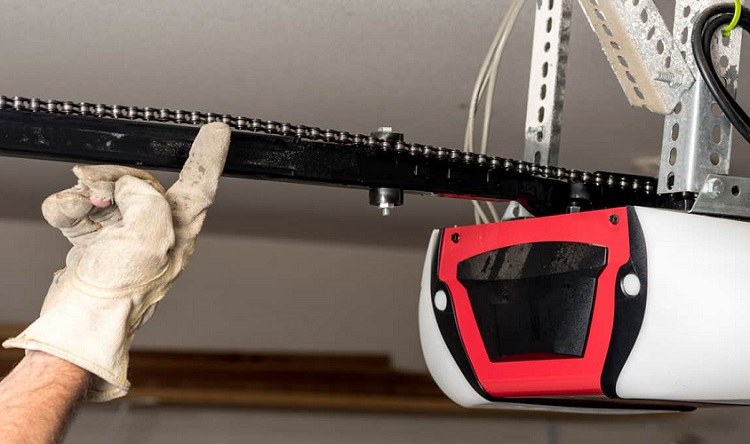
Choosing the right garage door opener can feel overwhelming when you are faced with so many technical specifications. You want a system that is reliable, fits your budget, and doesn’t wake up the entire household every time you come home late. If you are asking what is better chain or belt drive garage door opener, you are looking for the perfect balance between performance and peace of mind.
In this guide, we will break down the mechanics, costs, and maintenance requirements of both systems. By the end, you will have a clear answer tailored to your specific living situation.
How Do Chain and Belt Drives Actually Work?
To understand which is better, we first need to look under the hood. Both systems serve the same purpose: they transfer power from the motor to the trolley, which moves the door up and down. However, the mechanism they use to do this is fundamentally different.
A chain drive opener uses a metal chain, similar to what you might find on a bicycle, to pull the trolley along a rail. This is the oldest and most common type of opener. It is known for its raw strength and simplicity.
On the other hand, a belt drive opener uses a reinforced rubber or polyurethane belt. This material is flexible and designed to absorb vibration. While the motor and gear structure are similar, the transmission method changes the user experience significantly.
According to basic mechanical principles found on Wikipedia, the choice of transmission medium directly impacts noise levels, maintenance frequency, and overall lifespan. Understanding these mechanical differences is the first step in making an informed decision.
Which Is Quieter: Chain or Belt Drive?
If you live in an apartment complex or have a bedroom directly above your garage, noise is likely your top priority. This is where the two systems diverge the most.
The Noise Factor
- Chain Drive: These are notoriously loud. The metal-on-metal contact creates a grinding or rattling sound during operation. While newer models have improved, they still produce significant decibels.
- Belt Drive: These are exceptionally quiet. The rubber belt absorbs the vibration from the motor, resulting in a smooth, whisper-quiet operation.
Verdict: If silence is golden, the belt drive is the undisputed winner. It is ideal for attached garages where noise can easily travel into living spaces.
Cost Comparison: Budget vs. Long-Term Value
Let’s talk about money. Most homeowners want to know if the extra features of a belt drive are worth the higher price tag.
| Feature | Chain Drive | Belt Drive |
|---|---|---|
| Initial Cost | $150 – $250 | $250 – $400+ |
| Installation Cost | Lower (Standard) | Slightly Higher |
| Maintenance Cost | Low (Occasional lubrication) | Very Low (Rarely needs adjustment) |
| Lifespan | 10-15 Years | 15-20 Years |
As you can see, chain drives are more affordable upfront. They are the go-to choice for detached garages or rental properties where initial cost matters more than long-term comfort. However, belt drives offer better long-term value due to their durability and lack of maintenance needs.
Durability and Maintenance Requirements
One common myth is that chain drives are indestructible while belt drives snap easily. Let’s debunk that.
Chain Drive Maintenance
Metal chains are robust, but they are not immune to wear. Over time, the chain can stretch, requiring tension adjustments. You must also lubricate the chain every six months to prevent rust and reduce noise. If you neglect this, the metal can corrode, especially in humid climates.
Belt Drive Maintenance
Modern belts are made from high-grade steel-reinforced rubber. They do not stretch like metal chains and do not require lubrication. In fact, adding oil to a belt drive can damage the rubber. This makes them virtually maintenance-free.
Expert Insight: Many professional installers note that belt drives have fewer service calls related to mechanical failure because there are fewer moving metal parts interacting with each other.
Which Is Better for Heavy Doors?
If you have a solid wood double-car garage door, you might worry that a belt isn’t strong enough. This is a valid concern, but technology has evolved.
- Chain Drives: Historically, these were the only option for heavy doors. They provide immense torque and are less likely to slip under extreme weight.
- Belt Drives: Modern belt drives are engineered to handle doors weighing up to 500 pounds. Unless you have an unusually heavy custom door, a belt drive will perform just as well as a chain drive.
For most standard residential doors, both systems are capable. However, if you have an oversized or exceptionally heavy door, a heavy-duty chain drive might offer a slight margin of safety.
Weather Resistance and Climate Considerations
Where you live plays a huge role in which opener you should choose.
- Cold Climates: Metal chains can become brittle in extreme cold. Additionally, if moisture gets into the chain links, it can freeze, causing the opener to struggle. Belt drives, made from synthetic materials, are less affected by temperature fluctuations.
- Humid Climates: Humidity leads to rust. Chain drives require regular maintenance to prevent corrosion. Belt drives are immune to rust, making them a better choice for coastal areas or regions with high humidity.
Step-by-Step: How to Choose the Right Opener for Your Home
Still unsure? Follow this simple decision framework to make your choice.
- Assess Your Garage Location: Is it attached to your house? If yes, lean towards a belt drive for noise reduction. If it is detached, a chain drive is sufficient.
- Determine Your Budget: Can you spend an extra $100-$150? If yes, the belt drive offers better comfort and longevity. If no, the chain drive is a reliable workhorse.
- Check Door Weight: Measure your door. If it is under 500 lbs, both options work. If it is heavier, consult a professional, but a heavy-duty chain drive may be safer.
- Consider Maintenance Willingness: Do you mind lubricating a chain twice a year? If not, choose chain. If you prefer “install and forget,” choose belt.
FAQ Section
1. Can I convert my chain drive opener to a belt drive?
No, you cannot simply swap the chain for a belt. The sprockets and rail systems are designed specifically for either chain or belt mechanisms. You would need to replace the entire opener unit.
2. Are belt drive openers less durable than chain drives?
Not necessarily. While metal seems stronger, modern reinforced belts are incredibly durable and often outlast chains because they do not suffer from stretching or rust. They are designed to last 15-20 years with minimal care.
3. Which drive type is easier to install?
Both are relatively similar in installation difficulty for a DIYer. However, belt drives are lighter and easier to handle during the mounting process. Chain drives are heavier and may require two people to lift safely.
4. Do belt drive openers break more often?
Actually, belt drives often have fewer mechanical issues. Chains can jump off sprockets if they become loose, whereas belts stay securely in place. The primary failure point for belts is rare and usually occurs after many years of use.
5. Is a chain drive better for security?
Both types are equally secure. The security of your garage depends more on the rolling code technology in the remote and the strength of the door itself, not the type of drive mechanism.
6. How often should I lubricate a chain drive opener?
You should lubricate the chain every six months. Use a silicone-based lubricant or white lithium grease. Avoid WD-40 as it attracts dust and can gum up the mechanism over time.
Conclusion
So, what is better chain or belt drive garage door opener? The answer depends on your priorities.
If you prioritize low cost and have a detached garage, a chain drive is a solid, reliable choice. It has been the industry standard for decades for a reason.
However, if you value quiet operation, low maintenance, and have an attached garage, the belt drive is the superior investment. It offers a premium experience that pays off in daily comfort and long-term reliability.
Whichever you choose, ensure you buy from a reputable brand and follow the manufacturer’s installation guidelines. A well-installed opener will serve you faithfully for years to come.
Did this guide help you decide? Share this article with your friends or family who are also struggling with their garage door choices!
Leave a Reply