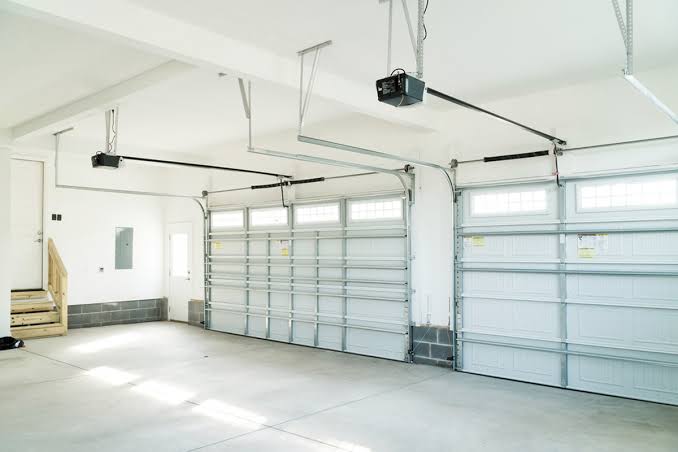
Is your garage door opener making strange noises, failing to respond, or simply giving up the ghost? You are not alone. Thousands of homeowners face this frustrating issue every year, leaving them stuck with a heavy door they cannot easily operate. If you are wondering what does it cost to replace a garage door opener, you have come to the right place. This guide breaks down every expense, from the unit itself to professional labor, so you can budget accurately and get your garage back in working order without breaking the bank.
Understanding the Average Replacement Costs
When planning your budget, it is essential to look at the big picture. The total cost is not just the price of the box on the shelf; it includes the hardware, necessary accessories, and the labor to install it safely.
On average, homeowners in the United States spend between $350 and $650 for a complete garage door opener replacement. However, this range can fluctuate significantly based on the type of opener you choose and the complexity of your existing setup.
| Cost Component | Low-End Estimate | High-End Estimate |
|---|---|---|
| Basic Chain-Drive Unit | $150 – $250 | N/A |
| Premium Belt-Drive Unit | N/A | $400 – $600 |
| Professional Labor | $100 – $200 | $200 – $300 |
| Additional Accessories | $20 – $50 | $100+ |
| Total Project Cost | $270 | $950+ |
Note: Prices are estimates based on 2025-2026 market trends and may vary by region.
The majority of this cost is driven by the motor type and horsepower. A standard ½ HP motor is sufficient for most single-car garages, while heavier double doors often require a ¾ HP or 1 HP motor, which commands a higher price tag.
How Much Do Different Types of Openers Cost?
Not all garage door openers are created equal. The mechanism that lifts your door plays a massive role in both performance and price. Understanding these differences helps you decide where to allocate your budget.
Chain-Drive Openers
These are the most common and affordable options. They use a metal chain similar to a bicycle chain to move the trolley.
- Cost: $150 – $250
- Pros: Durable, inexpensive, widely available.
- Cons: Noisy operation; not ideal if your garage is attached to living spaces.
Belt-Drive Openers
Belt-drive models use a steel-reinforced rubber belt. They are significantly quieter than chain drives.
- Cost: $250 – $450
- Pros: Very quiet, smooth operation, low maintenance.
- Cons: Higher upfront cost; belts may need replacement after many years (though rare).
Screw-Drive Openers
These use a threaded steel rod to move the trolley. They have fewer moving parts than chain drives.
- Cost: $200 – $350
- Pros: Fewer moving parts mean less maintenance; good for extreme temperatures.
- Cons: Can be noisy over time as lubrication wears off; not as common as other types.
Direct-Drive (Jackshaft) Openers
Mounted on the wall beside the door rather than the ceiling, these are ideal for garages with high ceilings or limited headroom.
- Cost: $400 – $600+
- Pros: Saves ceiling space, very quiet, secure.
- Cons: Most expensive option; requires specific door compatibility.
For a deeper technical understanding of how these mechanisms work, you can refer to the detailed engineering principles outlined on Wikipedia’s Garage Door Opener page.
Labor Costs: DIY vs. Professional Installation
One of the biggest questions homeowners ask is whether they should install the opener themselves or hire a pro. While DIY can save money, it comes with risks.
Professional Installation Fees
Hiring a licensed technician typically costs between $100 and $300. This fee usually includes:
- Removal and disposal of the old unit.
- Installation of the new motor and rail.
- Programming of remotes and keypads.
- Safety sensor alignment and testing.
Professionals also carry insurance. If something goes wrong during installation—such as damaging the door springs or electrical wiring—you are protected. Given that garage doors are under high tension, this safety net is valuable.
DIY Installation Savings
If you are handy with tools, you can save the labor cost entirely. Many modern openers come with detailed instructions and pre-assembled rails.
- Savings: $100 – $300
- Time Commitment: 4–6 hours for a first-timer.
- Risk: Voided warranty if installed incorrectly; potential safety hazards.
Expert Tip: If you choose DIY, ensure you have a helper. Garage door rails are long and awkward to manage alone. Always disconnect the power before starting any work.
Hidden Costs and Additional Expenses
When calculating what does it cost to replace a garage door opener, do not forget the “hidden” items that can sneak up on you.
1. Disposal Fees
Some municipalities charge a fee for disposing of large electronic appliances. Check with your local waste management service. Some installers include this in their quote, while others do not.
2. New Remotes and Keypads
Your old remotes may not be compatible with the new system due to changing security frequencies (rolling codes).
- Extra Remote: $30 – $50 each.
- Wireless Keypad: $40 – $80.
3. Electrical Upgrades
If your garage lacks a nearby outlet, an electrician may need to install one. This can add $150 – $300 to your project. Most modern openers require a standard 120V outlet.
4. Reinforcement Brackets
Newer safety standards often require stronger reinforcement brackets on the door itself. If your door is older, you might need to purchase these separately for $20 – $40.
Factors That Influence the Final Price
Several variables can push your cost toward the lower or higher end of the spectrum.
- Horsepower (HP): A ½ HP unit is standard. Upgrading to ¾ HP or 1 HP for heavier wood doors increases the price by $50–$100.
- Smart Features: Wi-Fi-enabled openers that connect to apps like MyQ or Alexa cost more upfront ($50–$100 premium) but offer convenience and monitoring capabilities.
- Brand Reputation: Established brands like LiftMaster, Chamberlain, and Genie often cost more than generic brands but offer better warranty support and parts availability.
- Geographic Location: Labor rates in urban areas like New York or San Francisco are significantly higher than in rural Midwest regions.
Step-by-Step Guide to Budgeting for Replacement
To ensure you are prepared, follow this simple budgeting checklist:
- Assess Your Current Setup: Measure your door height and check if you have a nearby power outlet.
- Choose Your Drive Type: Decide if noise is a concern (choose belt-drive) or if budget is tight (choose chain-drive).
- Get Three Quotes: Contact local garage door specialists. Ask if the quote includes removal of the old unit.
- Check for Rebates: Some energy-efficient models or smart home devices may qualify for local utility rebates.
- Factor in Accessories: Add $50–$100 to your budget for new remotes if needed.
Frequently Asked Questions (FAQ)
1. Is it worth repairing an old garage door opener or replacing it?
If your opener is more than 10–15 years old, replacement is usually the better option. Older units lack modern safety features like automatic reversal sensors and rolling code technology. Repair costs for major components (like the logic board) can approach 50% of the cost of a new unit, making replacement more cost-effective in the long run.
2. How long does a garage door opener last?
On average, a well-maintained garage door opener lasts between 10 and 15 years. Chain-drive models may last longer mechanically but become noisier over time. Belt-drive models tend to remain quiet throughout their lifespan but may require belt tension adjustments.
3. Can I use my old remotes with a new garage door opener?
In most cases, no. Modern openers use encrypted rolling codes for security, which are incompatible with older fixed-code remotes. You will likely need to purchase new remotes that are specifically designed for your new model. Some universal remotes exist, but they are not guaranteed to work with all newer systems.
4. Does replacing a garage door opener increase home value?
While it may not directly increase the appraisal value of your home like a kitchen remodel, it significantly boosts curb appeal and buyer confidence. A functioning, quiet, and smart-enabled garage door opener is a desirable feature for homebuyers. It signals that the home has been well-maintained.
5. What is the cheapest way to replace a garage door opener?
The cheapest method is to purchase a basic chain-drive unit online or from a big-box store and install it yourself. However, ensure you have the necessary tools and physical ability to handle the installation safely. Always prioritize safety over savings when dealing with heavy garage doors.
Conclusion
Replacing a garage door opener is an investment in your home’s security, convenience, and daily functionality. So, what does it cost to replace a garage door opener? Expect to pay between $350 and $650 for a professional installation of a mid-range unit, though prices can vary based on features and labor rates.
By understanding the different drive types, factoring in hidden costs like new remotes, and deciding between DIY and professional help, you can make an informed decision that fits your budget. Don’t let a broken opener disrupt your routine. Take action today, compare quotes, and enjoy the peace of mind that comes with a reliable, modern garage door system.
Found this guide helpful? Share it with your neighbors on Facebook or Twitter to help them tackle their garage door woes!
Leave a Reply