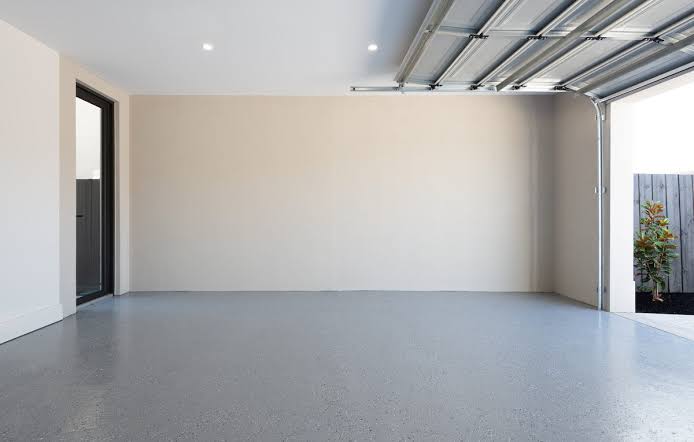
What Can Cause A Garage Door To Open By Itself?
Have you ever been startled to find your garage door wide open when you never touched the remote? It can be incredibly frustrating and worrying, but understanding what can cause a garage door to open by itself is the first step toward a peaceful, secure home.
Understanding What Can Cause A Garage Door To Open By Itself
When you ask yourself, what can cause a garage door to open by itself, you are definitely not alone. This phenomenon is commonly referred to in the industry as a “phantom opening.”
While it might seem like a ghost story, the culprits are entirely mechanical or electronic. To solve the problem, we need to look at the most frequent triggers. Let’s break down the exact reasons your garage might be acting possessed.
1. Radio Frequency Interference (The Most Common Culprit)
Modern garage door openers operate on specific radio frequencies, typically between 315 MHz and 390 MHz. If a nearby device transmits on a similar frequency, your opener might mistakenly read it as a command to open.
According to industry experts, nearly 30% of phantom openings are caused by radio frequency interference (RFI). Surprisingly, the most common offenders are not your neighbors’ remotes, but rather cheap, non-dimmable LED light bulbs. The internal circuitry of these bulbs can emit a frequency that mimics a remote control signal.
2. A Stuck or Faulty Remote Control Button
Sometimes, the simplest explanation is the right one. If your car visor remote or handheld clicker gets squeezed, dropped, or exposed to extreme heat, the internal buttons can get stuck.
A slightly depressed button can continuously send a微弱 (weak) signal to the motor. Eventually, the motor’s logic board registers this as a deliberate command to open the door.
3. Misaligned or Dirty Safety Sensors
Your garage door has infrared safety sensors near the floor. If the beam between them is blocked by dirt, a spiderweb, or slight misalignment, the door will refuse to close.
While this usually just prevents closing, some older systems interpret this continuous reversal signal as a glitch and will automatically open the door fully as a fail-safe reset.
4. Short Circuits in the Logic Board
Power surges from lightning strikes or grid fluctuations can fry the sensitive logic board inside your garage door motor. A damaged circuit board can send erratic electrical signals, causing the door to open or close randomly.
As Mark, a certified garage door technician with 15 years of experience, notes:
“Nine times out of ten, a phantom opening is just a simple frequency clash with a neighbor’s device or a faulty LED bulb. But if the logic board is fried, no amount of troubleshooting will fix it without a replacement.”
For a deeper dive into the mechanical history and operation of these systems, check out the comprehensive Wikipedia entry on garage door openers.
Quick Diagnostic Table: Identifying Your Issue
To save you time, use this quick reference guide to pinpoint the exact issue based on your symptoms.
| Symptom | Likely Cause | Quick Fix |
|---|---|---|
| Door opens at the exact same time every night | Radio interference from a neighbor’s timer or light. | Change your remote’s dip switches or frequency. |
| Door opens randomly throughout the day | Stuck remote button or faulty wall keypad. | Remove the remote battery; if it stops, replace the remote. |
| Door closes, then immediately reverses and opens | Dirty or misaligned safety sensors. | Wipe the sensor lenses with a microfiber cloth and realign. |
| Door opens after a heavy thunderstorm | Power surge damaged the logic board. | Perform a hard reset; if it fails, replace the logic board. |
Text Infographic: DIY Fixes vs. Professional Help
When tackling a phantom opening, you have two choices. Here is a quick comparison to help you decide.
Pros of DIY Fixes
- Cost-Effective: Cleaning sensors or changing remote batteries costs under $10.
- Immediate: You can troubleshoot basic interference in less than 15 minutes.
- Empowering: Learning to reset your system builds home maintenance skills.
Cons of DIY Fixes
- Time-Consuming: Tracking down a specific interfering LED bulb in your house can take hours.
- Safety Risks: Opening the motor housing to check the logic board exposes you to high-voltage capacitors.
- Voiding Warranties: Tampering with internal wiring might void your manufacturer’s warranty.
Step-by-Step Guide: How to Reset Your Opener to Fix Interference
If you suspect radio frequency interference, resetting your system is the most effective solution. Follow these concrete steps to clear the old memory and reprogram your devices.
- Locate the Motor Unit: Use a sturdy ladder to safely reach the main garage door opener motor hanging from your ceiling.
- Find the “Learn” Button: Look for a small, usually green or orange button labeled “Learn,” “Smart,” or “Program” on the back or side of the motor unit.
- Clear the Memory: Press and hold this button for exactly 6 seconds. The indicator light next to it will blink or turn off, confirming the old memory is erased.
- Reprogram Your Remotes: Within 30 seconds of clearing the memory, press the button on your handheld remote. You should hear the motor click or see the lights flash.
- Test the System: Press the remote button again. The door should operate smoothly. If it opens by itself after 24 hours, you likely have a physical interference source (like an LED bulb) that needs to be replaced with a garage-door-friendly, shielded bulb.
Frequently Asked Questions
1. Can a neighbor’s remote open my garage door?
Yes, but it is rare with modern systems. Older garage doors used fixed dip-switch codes, meaning a neighbor with the exact same switch pattern could open your door. Modern openers use rolling codes (changing the digital password every time), making it virtually impossible for a neighbor’s remote to open your door unless there is severe radio frequency interference.
2. Will replacing the remote battery stop random openings?
Sometimes. A dying battery can cause the remote’s internal circuitry to act erratically, sending fragmented signals to the motor. If your remote is over two years old, swapping in a fresh CR2032 battery is a cheap and easy first troubleshooting step.
3. How do I know if my wall control keypad is malfunctioning?
If your garage door opens by itself but your car remotes are fine, the issue is likely the wired wall keypad inside your house. To test this, disconnect the two thin wires connecting the wall keypad to the motor unit. If the phantom openings stop, you know the wall keypad has a short circuit and needs to be replaced.
4. Is it dangerous if my garage door opens on its own?
Yes, it poses a significant security risk. An unexpectedly open garage is an open invitation for burglars and allows pests or harsh weather into your home. Furthermore, if the door is malfunctioning due to a broken spring or frayed cable, random movements could cause the heavy door to collapse, posing a severe physical danger.
Conclusion
Dealing with a garage door that opens on its own is undeniably stressful, but it is almost always fixable. By understanding what can cause a garage door to open by itself—whether it is radio interference, a stuck remote button, or dirty sensors—you can take immediate action to secure your home. Start with the simple fixes like cleaning your sensors and changing your remote batteries before moving on to a full system reset.
Did this guide help you solve your garage door mystery? Please share this article on your favorite social media platforms like Facebook, X (Twitter), or Pinterest to help your friends and family secure their homes too! Don’t forget to bookmark this page for your future home maintenance needs.
Leave a Reply