Introduction
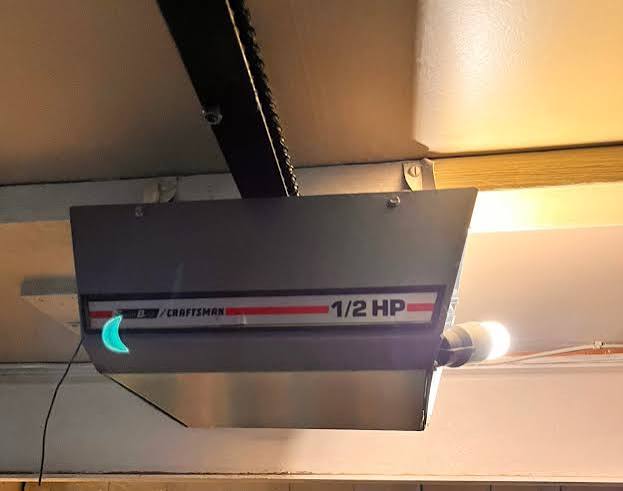
Is your old garage door opener making strange noises or struggling to lift your heavy wooden door? You are not alone; thousands of homeowners face this frustration every year, often worrying about safety and convenience. Finding the Sears Best Craftsman 1 2 Hp Garage Door Opener can seem daunting given the variety of models available, but it is the key to restoring peace of mind and seamless access to your home. This guide will help you navigate the best options, ensuring you choose a reliable, powerful, and smart solution that fits your specific needs.
Why Choose a 1/2 HP Craftsman Opener?
When selecting a garage door opener, horsepower (HP) is a critical factor. While 1/3 HP units exist, they are generally suited only for lightweight, single-car aluminum doors. A 1/2 HP motor strikes the perfect balance between power and efficiency for most residential homes.
According to industry standards, a 1/2 HP opener can comfortably lift doors weighing up to 350 pounds. This includes standard two-car steel doors and many insulated models. Craftsman, a brand historically synonymous with durability and trusted by millions through Sears, has engineered these openers to handle daily wear and tear with minimal maintenance.
Key Benefits of 1/2 HP Models:
- Versatility: Suitable for both single and double-car garage doors.
- Energy Efficiency: Consumes less power than 3/4 HP or 1 HP industrial units while providing ample torque.
- Cost-Effectiveness: Offers the best price-to-performance ratio for average homeowners.
Top Features to Look For in Craftsman Openers
Not all openers are created equal. When searching for the “Sears Best” model, you should prioritize features that enhance security, convenience, and longevity.
1. Drive Type: Belt vs. Chain
The drive mechanism determines how quiet and smooth your opener operates.
- Belt Drive: Uses a rubber belt. It is significantly quieter and requires less maintenance. Ideal if your garage is attached to your living space.
- Chain Drive: Uses a metal chain. It is more durable and cheaper but noisier. Best for detached garages.
Expert Tip: For the best user experience, most modern “Best” lists favor Belt Drive systems for their near-silent operation.
2. Smart Connectivity (myQ® Technology)
Modern Craftsman openers come equipped with myQ® technology. This allows you to control your garage door via a smartphone app. You can check if the door is closed, open it for deliveries, or grant access to guests from anywhere in the world.
3. Security+ 2.0® Encryption
Security is paramount. Craftsman uses rolling code technology that changes the access code every time you use the remote. This prevents hackers from intercepting the signal and opening your garage.
Comparison: Top Craftsman 1/2 HP Models
To help you make an informed decision, here is a comparison of the most popular Craftsman 1/2 HP openers currently favored by users and experts.
| Feature | Craftsman CMXGDAM020312 (Belt) | Craftsman CMXGDO03031 (Chain) | Craftsman SmartWise 1/2 HP |
|---|---|---|---|
| Drive Type | Ultra-Quiet Belt | Durable Chain | Belt Drive |
| Noise Level | Very Low | Moderate | Low |
| Smart Tech | myQ® Enabled | myQ® Enabled | Wi-Fi Enabled |
| Lighting | LED Bulbs | Incandescent/LED | LED Bulbs |
| Best For | Attached Garages | Detached Garages | Budget-Conscious Buyers |
| Warranty | Limited Lifetime Motor | Limited Lifetime Motor | 5-Year Motor |
Note: Model numbers may vary slightly based on retailer exclusives, but the core specifications remain consistent.
Installation Guide: Step-by-Step
Installing a garage door opener can be a DIY project if you are handy, but safety is crucial. Always disconnect power before starting. If you are unsure, hiring a professional from Sears Home Services is recommended.
Tools Needed:
- Ladder
- Wrench set
- Drill and bits
- Tape measure
- Helper (highly recommended)
Step 1: Assemble the Rail
Lay the rail sections on the floor. Connect them using the provided bolts. Ensure the connection is tight to prevent wobbling during operation. Attach the trolley assembly to the rail.
Step 2: Install the Header Bracket
Locate the center of your garage door header. Use a level to ensure accuracy. Secure the header bracket with lag screws into the structural support above the door. Warning: Do not attach solely to drywall or insulation.
Step 3: Mount the Opener Unit
With the help of a friend, lift the motor unit onto the mounting brackets installed on the ceiling joists. Ensure the unit is level. Tighten all bolts securely. The motor should hang firmly without sagging.
Step 4: Connect the Rail to the Motor
Slide the assembled rail into the motor unit’s coupling. Secure it with the clevis pin and cotter pin. Ensure the trolley moves freely along the rail.
Step 5: Install the Safety Sensors
Mount the safety eyes on either side of the garage door track, no higher than 6 inches from the floor. These sensors must face each other directly. If the beam is interrupted, the door will reverse. This is a critical safety feature mandated by law.
Step 6: Wiring and Programming
Connect the wiring from the motor to the wall console and safety sensors. Plug in the power cord. Follow the manual to program your remotes and keypad. Test the force settings by placing a 2×4 piece of wood on the floor under the door. The door should reverse upon contact.
For more detailed technical specifications on garage door mechanics, you can refer to general engineering principles on Wikipedia.
Common Issues and Troubleshooting
Even the best machines encounter issues. Here are common problems with Craftsman openers and how to fix them.
- Door Won’t Close: Check the safety sensors. Are the lights blinking? Clean the lenses and ensure they are aligned.
- Motor Runs but Door Doesn’t Move: The emergency release cord may have been pulled. Re-engage the trolley by pulling the handle toward the door.
- Noisy Operation: If you have a chain drive, lubricate the chain with garage door lubricant (not WD-40). If it’s a belt drive, check for loose hardware.
FAQ Section
1. Is a 1/2 HP opener strong enough for a heavy wooden door?
Yes, for most standard wooden doors. However, if your door is extra large (over 7 feet high) or made of solid hardwood, consider upgrading to a 3/4 HP model for added longevity and smoother operation.
2. Can I install a Craftsman opener myself?
Yes, if you have basic mechanical skills and tools. However, garage doors are under high tension. If you are uncomfortable working with springs or heavy lifting, professional installation is safer and often comes with a service warranty.
3. What is the lifespan of a Craftsman garage door opener?
With proper maintenance, a Craftsman 1/2 HP opener typically lasts between 10 to 15 years. Regular lubrication and sensor checks can extend this lifespan.
4. Does the myQ® app require a subscription?
Basic features like opening and closing the door are free. However, advanced features like video storage (if paired with a camera) or integration with certain third-party services may require a premium subscription.
5. Why is my Craftsman opener beeping?
A beeping sound usually indicates a battery backup issue or a misaligned safety sensor. Check the battery compartment first. If the problem persists, consult the error code section in your user manual.
Conclusion
Choosing the Sears Best Craftsman 1 2 Hp Garage Door Opener is an investment in your home’s security and convenience. Whether you opt for the ultra-quiet belt drive or the rugged chain drive, Craftsman offers reliable performance backed by decades of trust. By understanding your door’s weight, prioritizing smart features like myQ®, and following proper installation guidelines, you can enjoy years of hassle-free operation.
Don’t let a failing opener disrupt your day. Evaluate your needs, pick the right model, and take control of your garage access. If you found this guide helpful, please share it with friends and family who might be struggling with their own garage door issues!
Leave a Reply