Introduction
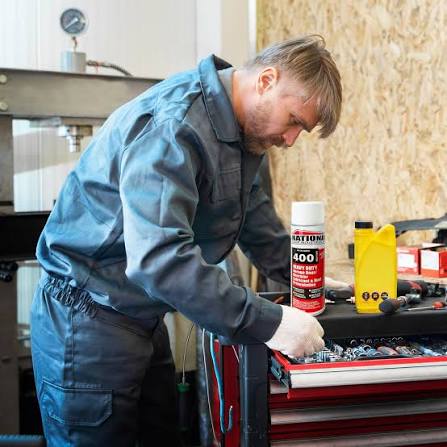
Is there anything more annoying than the screeching sound of your garage door opening early in the morning? It disrupts your peace, worries your neighbors, and signals that your expensive door system is crying out for help. You need a solution that doesn’t just mask the noise but actually protects the mechanical integrity of your home’s largest moving part. This is where National Door Industries 400 Heavy Duty Garage Door Lubricant comes into play, offering a professional-grade solution designed to silence noise and extend the lifespan of your hardware.
In this guide, we will break down exactly why this specific lubricant is a favorite among technicians, how to apply it correctly, and what makes it superior to generic sprays found in big-box stores. Whether you are a DIY enthusiast or a homeowner looking to save money on costly repairs, understanding the right maintenance products is crucial.
Why Choose National Door Industries 400?
When it comes to garage door maintenance, not all lubricants are created equal. Many homeowners make the mistake of using standard WD-40 or general-purpose oils, which can actually attract dust and gum up the works over time. The National Door Industries 400 Heavy Duty Garage Door Lubricant is engineered specifically for the high-tension, high-friction environment of a garage door system.
The Science Behind Heavy-Duty Protection
Garage doors operate under significant tension. The springs, cables, and rollers bear the weight of hundreds of pounds every single day. A lightweight oil evaporates quickly or runs off, leaving metal-on-metal contact. In contrast, the NDI 400 formula is designed to adhere to vertical surfaces and withstand extreme temperature fluctuations, from freezing winters to scorching summer heat.
According to industry standards, proper lubrication can extend the life of garage door components by up to 50%. By reducing friction, you reduce wear and tear on the motor, which can save you hundreds of dollars in premature opener replacements.
| Feature | Generic Spray Lubricant | National Door Industries 400 |
|---|---|---|
| Adhesion | Low (runs off easily) | High (clings to vertical parts) |
| Temperature Range | Limited | Extreme Weather Resistant |
| Dust Attraction | High (gets gummy) | Low (clean application) |
| Noise Reduction | Temporary | Long-lasting Silence |
| Corrosion Protection | Minimal | Superior Rust Inhibition |
What Makes It “Heavy Duty”?
You might wonder what separates a “heavy duty” lubricant from a standard one. The term isn’t just marketing fluff; it refers to the viscosity and the additive package within the spray.
The National Door Industries 400 Heavy Duty Garage Door Lubricant contains advanced anti-wear additives that create a protective barrier between metal parts. This is critical for garage doors because they often operate in environments filled with dirt, pollen, and road salt (if you live in a snowy region).
Key Benefits for US Homeowners
- Silence the Squeak: The primary complaint for most users is noise. This lubricant penetrates deep into the roller bearings and hinge points, eliminating the metal-grinding sound instantly.
- Rust Prevention: For those living in coastal areas or the Midwest where road salt is common, rust is the enemy. NDI 400 displaces moisture and coats the metal to prevent oxidation.
- Smooth Operation: A well-lubricated door requires less force to open. This reduces the strain on your garage door opener’s motor, leading to lower energy consumption and fewer mechanical failures.
How to Apply National Door Industries 400 Correctly
Even the best product will fail if applied incorrectly. Many people spray everything in sight, including the tracks, which is a major mistake. Follow this step-by-step guide to ensure you get the maximum benefit from your National Door Industries 400 Heavy Duty Garage Door Lubricant.
Step 1: Safety First
Before you begin, disconnect the garage door opener. You can usually do this by pulling the red emergency release cord. This ensures the door doesn’t move unexpectedly while you are working on it.
Step 2: Clean the Components
Lubricating a dirty door just creates sludge. Use a dry cloth or a soft brush to remove loose dirt, cobwebs, and old grease from the rollers, hinges, and springs. If there is heavy grime, use a mild degreaser and let it dry completely.
Step 3: Identify the Right Parts
Focus on these specific moving parts:
- Rollers: Specifically the bearings inside the rollers.
- Hinges: The pivot points between each door section.
- Springs: Both torsion springs (above the door) and extension springs (on the sides). Note: Be extremely careful with springs as they are under high tension.
- Lock Assembly: If you have a manual lock on the outside.
Do NOT lubricate the tracks. The tracks should remain clean and dry. Lubricating them attracts dirt, which can cause the rollers to slip or bind.
Step 4: Application Technique
Shake the can of National Door Industries 400 Heavy Duty Garage Door Lubricant well. Hold the nozzle about 2–3 inches away from the component. Spray a short burst (1–2 seconds) onto each roller bearing and hinge pivot. You don’t need to soak it; a thin, even coat is sufficient.
For the springs, apply a light mist along the length of the spring. Wipe away any excess drips with a clean rag to prevent staining your driveway or car.
Step 5: Cycle the Door
Reconnect the opener and cycle the door up and down three to four times. This helps distribute the lubricant evenly into the bearings and working parts. Listen to the difference—the operation should be noticeably quieter and smoother.
Expert Insights on Garage Door Maintenance
To understand the broader context of why specific lubricants matter, we can look at general mechanical principles. Friction is the primary cause of mechanical failure. According to basic physics principles detailed on Wikipedia, reducing the coefficient of friction between two surfaces significantly lowers the energy required for movement and reduces heat generation.
In the context of a garage door, this means less stress on the steel cables and the opener’s gear set. Professional technicians often recommend a maintenance schedule every six months. Using a dedicated product like NDI 400 ensures that this bi-annual task takes less than 15 minutes but yields months of reliable performance.
Common Mistakes to Avoid
- Using Graphite Powder: While graphite is a good dry lubricant, it can be messy and difficult to clean up if it spills. Liquid sprays like NDI 400 are cleaner and easier to control.
- Over-Lubricating: More is not better. Excess lubricant will drip onto your car or floor and attract dust. Aim for a light coating.
- Ignoring the Weather: If you live in an area with extreme cold, ensure your lubricant is rated for low temperatures. NDI 400 is formulated to remain fluid in cold weather, preventing it from turning into a sticky gel.
FAQ Section
Q1: How often should I use National Door Industries 400 Heavy Duty Garage Door Lubricant?
A: It is recommended to lubricate your garage door components every six months. However, if you live in an area with high humidity, salt air, or extreme temperature changes, you may want to check and reapply every three to four months.
Q2: Can I use this lubricant on my garage door tracks?
A: No. You should never lubricate the vertical or horizontal tracks. The tracks need to remain clean and dry to provide proper traction for the rollers. Lubricating the tracks will attract dirt and debris, causing the door to bind or operate unevenly.
Q3: Is National Door Industries 400 safe for plastic parts?
A: Yes, high-quality garage door lubricants like NDI 400 are generally safe for plastic and nylon rollers, which are common in modern garage doors. However, always check the label for specific compatibility notes. It is designed to be non-corrosive and safe for all standard garage door materials.
Q4: Will this lubricant fix a door that is stuck?
A: If the door is stuck due to friction or lack of maintenance, yes, it will help. However, if the door is stuck due to a broken spring, snapped cable, or misaligned track, lubrication will not solve the problem. In those cases, you should call a professional technician immediately for safety reasons.
Q5: What is the difference between silicone spray and lithium grease?
A: Silicone spray is lighter and good for general purposes, but it may not last as long under heavy loads. Lithium grease is thicker and great for gears but can be messy. National Door Industries 400 Heavy Duty Garage Door Lubricant is typically a specialized blend (often silicone or synthetic-based) designed to offer the best of both worlds: the penetration of a spray and the durability of a heavier lubricant, without the mess.
Q6: Can I use this on my bicycle or other household items?
A: While it is specifically formulated for garage doors, the principles of friction reduction apply elsewhere. However, for precision instruments like bicycles, it is better to use lubricants designed for those specific chains and gears. Keep NDI 400 reserved for your heavy-duty home hardware to ensure you always have it when your garage door needs it.
Conclusion
Maintaining your garage door doesn’t have to be a chore, nor does it require expensive professional visits every year. By investing in the right tools, such as National Door Industries 400 Heavy Duty Garage Door Lubricant, you take control of your home’s maintenance. This product offers a perfect balance of ease of use, professional-grade protection, and long-lasting silence.
Remember, a quiet garage door is a happy garage door. Regular application of this heavy-duty lubricant will protect your investment, ensure your family’s safety, and keep your mornings peaceful.
Did you find this guide helpful? Share this article with your neighbors or on social media to help others silence their squeaky doors! Don’t forget to bookmark this page for your next six-month maintenance reminder.
Leave a Reply