Introduction
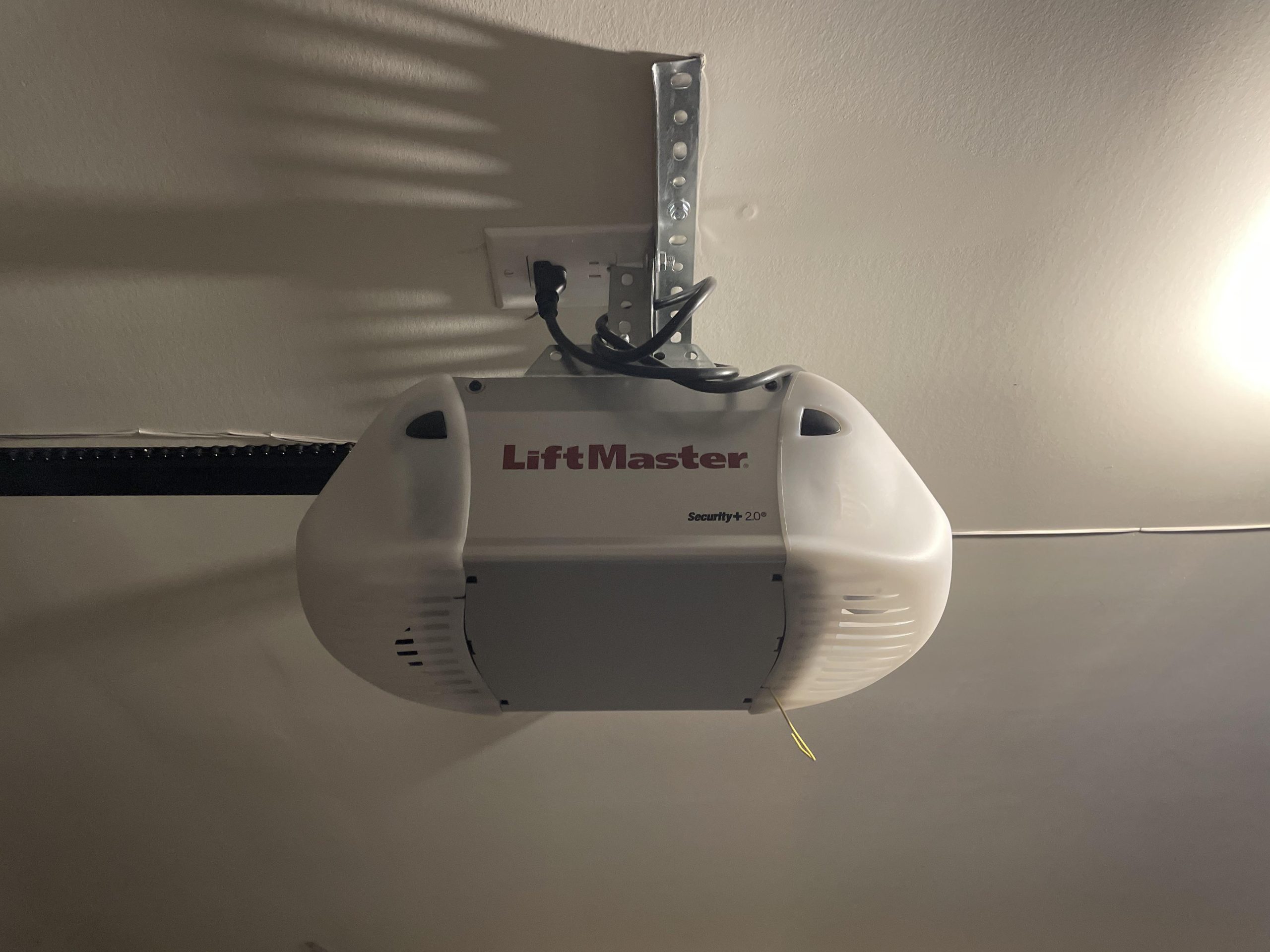
There is nothing quite as unsettling as hearing your garage door move in the middle of the night when no one is home. If you are experiencing a scenario where your Liftmaster garage door opener opens and closes on its own, you are not alone. This phenomenon, often called “ghosting,” is a common frustration for many homeowners, but it is rarely a sign of a haunted house. Usually, it indicates a simple configuration error, radio frequency interference, or a failing component that needs attention.
In this guide, we will walk you through the exact steps to diagnose and fix this issue. We understand how critical your garage door is to your home’s security and convenience. By the end of this article, you will have a clear action plan to stop the phantom movements and restore peace of mind to your household.
Why Does My Liftmaster Move Without Command?
Before diving into fixes, it is essential to understand why this happens. Modern garage door openers operate on radio frequencies (typically 315 MHz or 390 MHz). When your Liftmaster garage door opener opens and closes on its own, it is usually because the receiver is picking up a signal it interprets as a command.
According to industry data from the International Door Association, nearly 30% of service calls related to garage doors are due to user-error or environmental interference rather than mechanical failure. Understanding this can save you significant money on unnecessary service calls.
1. Check for Radio Frequency Interference (RFI)
One of the most common culprits is Radio Frequency Interference. Your garage door opener shares the airwaves with baby monitors, LED light bulbs, and even neighbors’ devices.
- LED Bulbs: Certain non-dimmable LED bulbs in garage lights can emit electrical noise that interferes with the opener’s receiver. Try replacing them with standard incandescent bulbs temporarily to see if the problem stops.
- Nearby Transmitters: If you live in an apartment complex or dense neighborhood, someone else’s remote might be on the same frequency. While modern Liftmasters use rolling codes to prevent this, older models may still be susceptible.
2. Inspect the Wall Control Panel
The wall control panel inside your garage is wired directly to the motor unit. If the buttons are sticky, damaged, or short-circuiting due to moisture, they can send continuous signals to the opener.
Steps to Diagnose:
- Disconnect the wall control wires from the back of the motor unit.
- Observe the door for 24 hours.
- If the ghosting stops, the issue is with the wall panel or the wiring running to it. Replace the panel if necessary.
3. Clear and Reprogram Remote Controls
Sometimes, a remote control button gets stuck in a purse, backpack, or car cup holder. This constant pressure sends repeated signals. Additionally, old remotes that haven’t been cleared from the system can cause confusion.
How to Clear All Codes:
- Locate the “Learn” button on your Liftmaster motor unit (usually yellow, purple, or red).
- Press and hold the Learn button until the indicator light turns off (about 6–10 seconds).
- This erases all paired remotes and keypads.
- Reprogram only the remotes you currently use.
Step-by-Step Guide: How to Stop the Ghosting
If the basic checks above didn’t solve the issue where your Liftmaster garage door opener opens and closes on its own, follow this detailed troubleshooting protocol.
Step 1: Perform a Power Cycle
Just like your computer, your garage door opener’s logic board can glitch. A hard reset clears temporary memory errors.
- Unplug the opener from the power outlet.
- Wait for at least 30 seconds. This ensures the capacitors discharge completely.
- Plug it back in.
- Test the door using a remote.
Step 2: Adjust the Travel Limits and Force Settings
If the door reverses immediately after closing or opens partially on its own, the travel limits or force settings may be misaligned. The opener thinks it hit an obstacle and reverses for safety.
| Setting | Symptom if Incorrect | Adjustment Tip |
|---|---|---|
| Down Limit | Door reverses before hitting the floor | Increase the down limit slightly |
| Up Limit | Door doesn’t close fully | Decrease the up limit |
| Force Sensitivity | Door reverses on minor resistance | Increase force incrementally |
Note: Refer to your specific model’s manual for exact dial locations. Never set the force so high that the door becomes dangerous.
Step 3: Check the Safety Sensors
Misaligned safety sensors are a frequent cause of erratic behavior. If the beam between the two sensors near the floor is broken or intermittent, the door will refuse to stay closed or may reverse unexpectedly.
- Check the Lights: Both sensors should have a solid LED light. If one is blinking, they are misaligned.
- Clean the Lenses: Wipe away dust, spiderwebs, or dirt with a soft cloth.
- Align the Brackets: Loosen the wing nuts and adjust the sensors until both lights are solid.
Step 4: Update MyQ Smart Hub Firmware
If you use the Liftmaster MyQ app, an outdated firmware or a buggy app connection can send false commands.
- Open the MyQ app on your smartphone.
- Go to Device Settings.
- Check for Firmware Updates.
- If available, install the update and restart the hub.
Advanced Troubleshooting: When to Call a Pro
If you have tried all the above steps and your Liftmaster garage door opener opens and closes on its own, the issue may lie within the logic board itself. Over time, capacitors on the circuit board can fail, causing erratic signals.
Signs of Logic Board Failure:
- The opener responds to no commands at all.
- The lights flash in an error code pattern (consult your manual).
- The unit makes a humming noise but does not move.
In these cases, replacing the logic board or the entire unit is the safest option. Always prioritize professional help if you are uncomfortable working with electrical components.
FAQ Section
Q1: Can a dying battery in my remote cause the door to open on its own?
A: Generally, no. A weak battery usually results in the remote not working or having a reduced range. However, a corroded battery terminal inside the remote could potentially cause a short circuit, sending a signal. Replace the batteries and clean the contacts to rule this out.
Q2: Is it dangerous if my garage door opens by itself?
A: Yes, it poses a significant security risk. An open garage is an invitation to burglars. Furthermore, if the door closes on a person or pet due to a malfunction, it can cause serious injury. Address this issue immediately.
Q3: How do I know if my neighbor is interfering with my opener?
A: If the ghosting happens at random times and you live in a dense housing area, interference is possible. Try changing the frequency dip switches (on older models) or reprogramming the rolling codes (on newer models). If the problem persists only at certain times of day, it may be external RFI.
Q4: Will resetting my Liftmaster erase all my remotes?
A: Yes, holding the “Learn” button until the light goes out will erase all previously programmed remotes, keypads, and smart home integrations. You will need to reprogram each device afterward.
Q5: Can weather affect my garage door opener?
A: Extreme temperatures can affect the lubrication of the springs and tracks, causing the door to bind. This increased resistance can trigger the safety reversal mechanism, making it seem like the door is opening on its own. Ensure your tracks are clean and lubricated.
Conclusion
Dealing with a Liftmaster garage door opener opens and closes on its own can be stressful, but it is almost always solvable with systematic troubleshooting. By checking for interference, inspecting your wall controls, and ensuring your safety sensors are aligned, you can eliminate most causes of ghosting.
Remember, your garage door is a major entry point to your home. Keeping it secure and functional is vital for your family’s safety. If you found this guide helpful, please share it with friends or neighbors who might be facing similar issues. A quick fix today can prevent a security breach tomorrow.
Stay safe, and keep your garage secure!
Leave a Reply