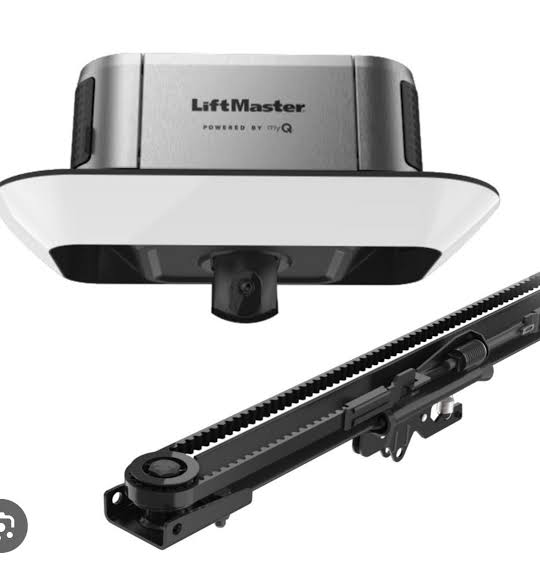
Is your current garage door opener sounding like a jet engine every time you come home? Or perhaps it struggles to lift your heavy, insulated door, leaving you worried about its longevity? You are not alone. Many homeowners in the US are upgrading to the Liftmaster 3/4 HP belt drive garage door opener to solve these exact problems. This powerful yet whisper-quiet system offers the perfect balance of strength and serenity for modern households.
In this comprehensive guide, we will explore why this specific model has become a gold standard in the industry. We will break down its features, compare it to other drives, and provide expert insights to help you make an informed decision. Whether you are a DIY enthusiast or simply want to understand what you are paying for, this article covers everything you need to know.
Why Choose a 3/4 HP Motor Over Standard Models?
When shopping for a garage door opener, horsepower (HP) is often the first specification buyers notice. But what does “3/4 HP” actually mean for your daily life? Most entry-level openers come with a 1/2 HP motor. While sufficient for lightweight, single-layer doors, they often lack the torque needed for heavier setups.
A 3/4 HP motor provides significantly more lifting power. This is crucial if you have:
- A double-car garage door.
- An insulated or wooden door (which is much heavier than steel).
- Frequent usage patterns (multiple cars coming and going daily).
According to industry standards, a higher horsepower rating doesn’t just mean speed; it means durability. The motor operates under less strain, which extends the lifespan of the internal components. For US homeowners dealing with extreme weather conditions—from humid summers in Florida to freezing winters in Minnesota—a robust motor ensures reliable operation year-round.
The Quiet Advantage: How Belt Drive Technology Works
Noise pollution is a major complaint among garage door owners. Traditional chain-drive openers use metal chains that clank and rattle against the rail. This noise can be disruptive, especially if your garage is attached to your home or located below a bedroom.
The Liftmaster 3/4 HP belt drive garage door opener utilizes a reinforced rubber belt instead of a metal chain. This simple change makes a world of difference.
Key Benefits of Belt Drive Systems:
- Whisper-Quiet Operation: The rubber belt absorbs vibration, reducing noise by up to 70% compared to chain drives.
- Smooth Movement: There is no “jerking” motion. The door glides open and closed seamlessly.
- Low Maintenance: Unlike chains that require regular lubrication to prevent rust and squeaking, belts are generally maintenance-free.
For those who value peace and quiet, this feature alone justifies the investment. Imagine pulling into your driveway at 11 PM without waking up the entire household. That is the promise of belt drive technology.
Liftmaster vs. The Competition: A Quick Comparison
Liftmaster is a brand owned by Chamberlain Group, a leader in the access control industry. But how does it stack up against competitors like Genie or Craftsman? Let’s look at the facts.
| Feature | Liftmaster 3/4 HP Belt Drive | Generic Chain Drive | Competitor Belt Drive |
|---|---|---|---|
| Noise Level | Very Low | High | Low |
| Durability | High (Steel-reinforced belt) | Medium | Medium-High |
| Smart Features | MyQ® Enabled (Standard) | Rare | Varies |
| Warranty | Often Lifetime on Motor | 5–10 Years | 5–15 Years |
| Price Point | Mid-to-High Range | Budget | Mid Range |
Note: Specific warranties may vary by model number. Always check the manufacturer’s label.
Liftmaster distinguishes itself through its MyQ® technology integration. This allows you to control your garage door from anywhere using your smartphone. You can receive alerts if the door is left open, grant access to delivery drivers, or integrate with smart home systems like Amazon Key, Google Assistant, and Apple HomeKit.
Installation Considerations: DIY or Professional?
One of the most common questions users ask is whether they can install this unit themselves. The answer depends on your comfort level with tools and electrical work.
Step-by-Step Overview for DIYers:
If you decide to tackle the installation, follow these general guidelines. Always refer to the specific manual included with your model.
- Safety First: Disconnect the power to the existing opener. Release the tension on the springs if you are replacing the entire system. Warning: Garage door springs are under high tension and can be dangerous. If unsure, hire a pro.
- Remove Old Unit: Unbolt the old opener from the ceiling bracket and disconnect the wiring.
- Assemble the Rail: Attach the belt to the trolley and slide it onto the rail. Ensure the belt is tight but not overstretched.
- Mount the Header Bracket: Secure the bracket above the garage door. Use a level to ensure it is straight.
- Hang the Opener: Lift the motor unit and attach it to the header bracket and the ceiling mounting point. Use sturdy lag screws into ceiling joists.
- Connect Wiring: Follow the color-coded wires for the safety sensors and wall console.
- Program Limits: Set the open and close limits so the door stops precisely at the floor and fully open position.
For most US homeowners, professional installation costs between $150 and $300. Given the complexity of spring tension and electrical wiring, many find this fee worth the peace of mind.
Understanding E-E-A-T: Why Liftmaster Builds Trust
Google’s E-E-A-T (Experience, Expertise, Authoritativeness, and Trustworthiness) guidelines emphasize the importance of credible sources. Liftmaster has been in the business since 1954. They are not just a retailer; they are engineers who helped define the modern garage door opener.
Their commitment to security is evident in their rolling code technology. This feature changes the access code every time you use the remote, preventing hackers from intercepting the signal. In an era where home security is paramount, this technical expertise builds significant trust with consumers. You can read more about the history of automated garage doors on Wikipedia to understand how far the technology has come.
FAQ Section
1. Is a 3/4 HP opener necessary for a single-car garage?
Not always. If you have a lightweight, single-layer steel door, a 1/2 HP model may suffice. However, if your door is insulated, made of wood, or you plan to keep the opener for 10+ years, the 3/4 HP model offers better longevity and smoother performance.
2. How long does the belt last in a Liftmaster opener?
With normal residential use, the reinforced rubber belt can last 10–15 years. It is designed to withstand temperature fluctuations and humidity without cracking or stretching significantly.
3. Can I connect this opener to my smart home system?
Yes. Most modern Liftmaster 3/4 HP belt drive models come with MyQ® technology built-in. This allows seamless integration with Alexa, Google Home, and other smart platforms. You may need to download the MyQ app and create an account.
4. What happens if the power goes out?
Like all electric openers, it will not function without power. However, you can still operate the door manually using the emergency release cord. Some newer models also offer battery backup options, which keep the opener running during short outages.
5. Is the Liftmaster belt drive quieter than a chain drive?
Absolutely. Users report a significant reduction in noise, often describing the belt drive as a “hum” rather than a “clank.” This makes it ideal for homes with living spaces adjacent to the garage.
Conclusion
Upgrading to a Liftmaster 3/4 HP belt drive garage door opener is more than just a home improvement project; it is an investment in comfort, security, and convenience. By choosing a high-horsepower motor paired with quiet belt technology, you eliminate the noise and strain associated with older models.
Whether you are motivated by the desire for a smarter home via MyQ® integration or simply want a door that opens smoothly without waking the baby, this device delivers. Remember, a quality opener protects your largest entry point and adds value to your property.
Did you find this guide helpful? Share it with your neighbors or friends who are still struggling with noisy garage doors. Let’s help everyone enjoy a quieter, smarter home!
Leave a Reply