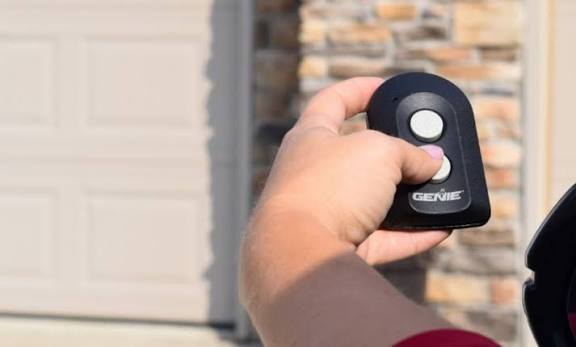
Have you ever stood in your driveway, frantically pressing a button on a lost or broken clicker, only to realize you are locked out of your own home? It is a frustrating scenario that millions of homeowners face every year. You might be asking yourself, is there a universal remote for garage door openers that can solve this headache once and for all? The short answer is yes, but with some important technical caveats regarding security and frequency.
In this comprehensive guide, we will cut through the confusion. We will explore how universal remotes work, which brands are compatible, and how you can safely program a new device without calling a professional technician. Whether you have an old chain-drive system or a modern smart opener, understanding your options can save you time, money, and significant stress.
How Do Universal Garage Door Remotes Actually Work?
To understand if a universal remote will work for you, you first need to understand the technology behind your current opener. Garage door openers operate on radio frequencies, much like your car key fob or Wi-Fi router. However, unlike Wi-Fi, these frequencies are not standardized across all manufacturers.
Most residential garage door openers operate on one of three primary frequencies:
- 315 MHz: Common in older units and many LiftMaster/Chamberlain models.
- 390 MHz: Often found in mid-2000s models.
- 433 MHz: Frequently used by European brands and some newer US models.
A true “universal” remote is designed to transmit signals on multiple frequencies. Inside the plastic casing, there is a dip switch or a learning chip that allows the remote to mimic the signal of your specific opener. However, it is not magic. The remote must match both the frequency and the coding protocol (the language the opener speaks) of your existing unit.
According to industry standards, most major manufacturers adhere to similar rolling code technologies for security. This means that every time you press the button, the code changes to prevent hackers from intercepting and reusing the signal. A high-quality universal remote must be capable of syncing with this rolling code technology, or it simply will not work.
Top Brands Compatible with Universal Remotes
Not all garage door openers are created equal, and neither are their remotes. Before you purchase a universal solution, check the brand name on your motor unit. Here is a breakdown of compatibility for the most common brands in the US market.
Chamberlain, LiftMaster, and Craftsman
These three brands are actually owned by the same parent company. Therefore, they share nearly identical technology. If you have any of these brands, you have the highest chance of finding a working universal remote. Most generic universals sold at hardware stores are pre-configured to work seamlessly with these systems.
Genie and Overhead Door
Genie uses a slightly different coding structure, often referred to as Intellicode. While many universal remotes claim compatibility, you must ensure the package explicitly states “Genie Compatible.” Older Genie models with DIP switches (tiny rows of on/off switches inside the remote) are easier to clone than newer digital models.
Linear and Wayne Dalton
These brands are known for being more proprietary. Finding a universal remote that works with Linear openers can be challenging. In many cases, you may need a specific “clone” remote rather than a true universal one. Always verify the model number before purchasing.
| Brand | Compatibility Rating | Notes |
|---|---|---|
| LiftMaster | High | Works with most 315/390 MHz universals. |
| Chamberlain | High | Same tech as LiftMaster; very easy to program. |
| Craftsman | High | Older models are highly compatible. |
| Genie | Medium | Requires specific Intellicode support. |
| Linear | Low | Often requires brand-specific replacements. |
Security Risks: Why Old Universals Are Being Phased Out
You might wonder why manufacturers make it so difficult to find a simple universal remote. The answer lies in security. In the past, garage door openers used “fixed codes.” This meant the signal was always the same. Hackers could easily use a device called a “code grabber” to record your signal and open your door later.
Modern openers use rolling code technology. This encrypts the signal, changing it with every use. While this keeps your home safe, it makes universal remotes more complex to manufacture. They must be able to “learn” the new encryption sequence from your opener.
For more detailed information on how radio frequency security has evolved in home automation, you can refer to this Wikipedia article on rolling codes.
If you have an opener that is more than 15 years old, it likely uses fixed codes. While easier to program, these units are vulnerable. Upgrading to a newer opener or a secure universal remote is a smart move for home safety.
Step-by-Step Guide: How to Program a Universal Remote
Programming a universal remote is generally straightforward, but it requires precision. Follow these steps to ensure success. Note that procedures may vary slightly by brand, so always keep your manual handy.
- Identify the Learn Button: Locate the motor unit of your garage door opener (usually hanging from the ceiling). Look for a small LED light and a button labeled “Learn,” “Smart,” or “Program.” It is often colored yellow, purple, or red.
- Clear Old Codes (Optional): If you are replacing a lost remote, it is wise to clear all previously programmed remotes to prevent unauthorized access. Hold down the “Learn” button for about 6–10 seconds until the LED light turns off. Warning: This will erase all existing remotes and keypads.
- Initiate Programming Mode: Press and release the “Learn” button quickly. The LED light should turn on or start blinking. You typically have 30 seconds to complete the next step.
- Sync the Universal Remote: Within those 30 seconds, go to your universal remote. Press and hold the button you wish to program. Keep holding it until you see the lights on the remote flash or the motor unit’s LED blinks.
- Test the Connection: Press the button on the remote again. The garage door should activate. If it does not, repeat the process, ensuring you are within 10 feet of the motor unit during programming.
Pro Tip: If your universal remote has DIP switches, you must match the switch positions exactly to those inside your old remote or the receiver unit. Use a small screwdriver to adjust them carefully.
Smart Alternatives: Is a Universal Remote Still Necessary?
In 2026, the definition of a “universal remote” is changing. Many homeowners are skipping physical remotes entirely in favor of smart home integration. Devices like the MyQ Smart Garage Hub or Tailwind allow you to control your garage door via smartphone app.
These smart hubs act as a universal bridge. They connect to your existing opener’s wiring and allow you to open and close the door from anywhere in the world. They also provide status alerts, letting you know if you accidentally left the door open.
While a physical universal remote is great for backup, a smart hub offers superior convenience and security. It eliminates the risk of losing a remote and allows you to grant temporary access to delivery drivers or guests without handing over a physical device.
FAQ Section
1. Will a universal remote work on any garage door opener?
No, not every universal remote works on every opener. Compatibility depends on the frequency (315 MHz vs. 390 MHz) and the brand protocol. Always check the packaging for a list of compatible brands before buying.
2. Can I program a universal remote without the original remote?
Yes, you do not need the original remote to program a new universal one. You only need access to the “Learn” button on the garage door motor unit. However, if you cleared all codes previously, you will need to reprogram all other existing remotes as well.
3. Why is my universal remote not working after programming?
This is usually due to frequency mismatch or interference. Ensure your remote supports the correct MHz for your opener. Also, check if the batteries are fresh. If problems persist, try clearing the memory and reprogramming again, standing closer to the motor unit.
4. Are universal garage door remotes secure?
Modern universal remotes that support rolling code technology are secure. Avoid buying cheap, non-branded remotes that only support fixed codes, as these can be easily hacked. Stick to reputable brands like Chamberlain, Genie, or certified third-party manufacturers.
5. How much does a universal garage door remote cost?
Prices typically range from $15 to $40 for a basic universal remote. Smart hubs that offer app control are more expensive, ranging from $30 to $100, but they offer added functionality like remote monitoring and integration with Alexa or Google Home.
Conclusion
So, is there a universal remote for garage door openers? Absolutely. For most homeowners with Chamberlain, LiftMaster, or Craftsman units, finding a compatible universal remote is easy and affordable. Even for Genie and other brands, specific universal options exist that can save you the hassle of buying expensive brand-specific replacements.
However, the key to success lies in checking your frequency and understanding your opener’s age. By following the programming steps outlined above, you can regain control of your garage in minutes. If you are looking for even more convenience, consider upgrading to a smart hub that turns your smartphone into the ultimate universal remote.
Don’t let a lost remote lock you out of your life. Take action today, check your motor unit’s label, and get the right solution for your home. If you found this guide helpful, please share it with friends and neighbors who might be struggling with their own garage door woes!
Leave a Reply