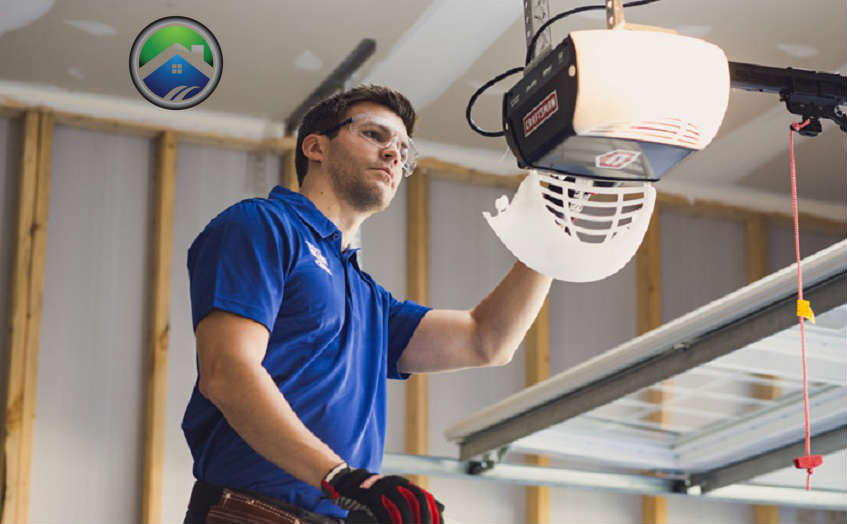
Have you ever stood in your driveway, listening to the groan of an aging garage door opener, wondering if there’s a better way? You are not alone. Many homeowners face the dilemma of dealing with noisy, slow, or outdated systems that no longer meet modern security or convenience standards. If you are asking yourself, “Is it possible to upgrade my current garage door motor?”, the short answer is yes—but it requires careful planning.
Upgrading isn’t just about swapping parts; it’s about enhancing safety, efficiency, and smart home integration. In this guide, we will walk you through everything you need to know to make an informed decision, from checking compatibility to choosing the right technology for your home.
Understanding Compatibility: Can Your Old System Handle an Upgrade?
Before you head to the hardware store, it is crucial to understand that “upgrading” can mean two different things: replacing the entire opener unit or retrofitting specific components. Most modern garage door openers are designed as standalone units. This means you generally cannot simply plug a new, high-tech motor into an old rail system without significant modifications.
However, you can often reuse existing structural elements like the torsion springs, cables, and tracks if they are in good condition. The primary focus of an upgrade is usually the powerhead (the motor unit itself) and the remote control system.
Key Compatibility Factors
- Mounting Bracket: Check if your new opener uses the same mounting pattern as your old one. Universal brackets are available but may require extra drilling.
- Rail Length: If you have a standard 7-foot door, most openers fit. For 8-foot doors, you may need an extension kit.
- Weight Capacity: Ensure the new motor’s horsepower (HP) matches the weight of your door. A heavy wooden door needs more power than a lightweight aluminum one.
According to industry standards, most residential garage doors weigh between 130 and 400 pounds. Using a motor that is too weak can lead to premature failure, while an overly powerful motor might strain the door’s balance.
Why Upgrade? Benefits Beyond Just Noise Reduction
Many homeowners consider an upgrade only when their current motor dies. However, proactive upgrades offer significant benefits that go beyond mere functionality.
1. Enhanced Security Features
Older openers often use fixed-code technology, which is vulnerable to code-grabbing attacks. Modern openers use rolling code technology, which changes the access code every time you use the remote. This makes it nearly impossible for thieves to intercept and replicate your signal.
2. Smart Home Integration
Today’s market is dominated by Wi-Fi-enabled openers. These allow you to:
- Open or close your garage from anywhere using a smartphone app.
- Receive alerts if the door is left open.
- Integrate with voice assistants like Amazon Alexa or Google Assistant.
3. Improved Safety Standards
Since 1993, federal law has required garage door openers to have safety reversal mechanisms. If your motor is older than this, it likely lacks proper photo-eye sensors that detect obstacles in the door’s path. Upgrading ensures compliance with current U.S. Consumer Product Safety Commission guidelines, protecting your family and pets.
Types of Garage Door Motors: Which One Is Right for You?
When exploring options, you will encounter three main types of drive systems. Choosing the right one depends on your budget, noise tolerance, and maintenance preferences.
| Drive Type | Noise Level | Maintenance | Best For |
|---|---|---|---|
| Chain Drive | High | Moderate (Lubrication) | Budget-conscious buyers, detached garages |
| Belt Drive | Low | Low | Attached garages, bedrooms above garage |
| Screw Drive | Medium | Low | Extreme temperatures, durability |
Chain Drive: The Budget Option
Chain drives are the most common and affordable. They use a metal chain similar to a bicycle chain. While durable, they are notoriously noisy. If your garage is attached to your house and you have living spaces nearby, this might not be the best choice.
Belt Drive: The Quiet Performer
Belt drives use a steel-reinforced rubber belt. They are significantly quieter than chain drives and require less maintenance because there is no metal-on-metal friction. They are ideal for homes where the garage is directly under a bedroom or living room.
Screw Drive: The Durable Choice
Screw drives use a threaded steel rod to move the trolley. They have fewer moving parts, which means less wear and tear. They perform well in extreme temperatures but can be slightly noisier than belt drives.
Step-by-Step Guide: How to Upgrade Your Garage Door Motor
If you decide to proceed with the upgrade, here is a simplified roadmap. Note that while DIY is possible, hiring a professional is recommended for complex installations involving spring tension.
Step 1: Disconnect and Remove the Old Unit
- Unplug the old opener from the power source.
- Close the garage door manually and lock it in place using vice grips on the track below the bottom roller. This is critical for safety.
- Disconnect the emergency release cord and the arm connecting the opener to the door.
- Unscrew the mounting brackets and lower the old motor unit. You may need a helper for this step.
Step 2: Prepare the New Motor
- Assemble the rail according to the manufacturer’s instructions.
- Attach the trolley and the door bracket.
- Install the safety sensors at the base of the door tracks, ensuring they are aligned and no higher than 6 inches from the floor.
Step 3: Mount the New Unit
- Hang the new motor unit on the ceiling brackets. Use lag screws if mounting into wood joists.
- Connect the rail to the motor head.
- Attach the door arm to the top section of the garage door.
Step 4: Wiring and Programming
- Wire the wall control panel and the safety sensors.
- Plug in the unit and test the manual operation.
- Program the remotes and keypad following the specific code sequence in your manual.
- Adjust the force and travel limits so the door opens fully and reverses correctly when it hits an obstacle.
Cost Considerations: Is It Worth the Investment?
The cost of upgrading your garage door motor varies widely based on the type of drive and features.
- Basic Chain Drive: $150–$250
- Mid-Range Belt Drive: $250–$400
- High-End Smart Opener: $400–$600+
If you hire a professional installer, expect to pay an additional $150–$300 for labor. While the upfront cost may seem high, consider the long-term savings. Modern motors are more energy-efficient, and the added security can potentially lower your home insurance premiums. Furthermore, a new opener can increase your home’s resale value by improving curb appeal and functionality.
Common Mistakes to Avoid During Upgrade
- Ignoring Spring Balance: If your garage door is not properly balanced, the new motor will work harder and fail sooner. Test the balance by disconnecting the opener and lifting the door halfway. It should stay in place. If it falls or rises, call a professional to adjust the springs.
- Misaligned Sensors: Safety sensors must face each other directly. Even a slight misalignment can prevent the door from closing.
- Skipping the Manual: Each brand has unique programming steps. Skipping the manual can lead to frustration and improper setup.
FAQ Section
Q1: Can I keep my old remotes when I upgrade the motor?
In most cases, no. New openers use different frequencies and rolling code technologies. However, some universal remotes can be programmed to work with new systems, or you can purchase compatible remotes from the same manufacturer.
Q2: How long does a garage door motor last?
With proper maintenance, a garage door opener typically lasts 10–15 years. If your unit is approaching this age, proactively upgrading is a smart move to avoid unexpected breakdowns.
Q3: Is it safe to upgrade the motor myself?
Replacing the motor unit is generally safe if you follow instructions and secure the door. However, adjusting torsion springs is extremely dangerous due to high tension. Always leave spring adjustments to certified professionals.
Q4: Will a new motor make my door quieter?
Yes, especially if you switch from a chain drive to a belt drive. Additionally, lubricating the rollers and hinges on the door itself can significantly reduce noise.
Q5: Do I need a special outlet for a smart garage door opener?
Most smart openers plug into a standard 120V outlet. Ensure the outlet is grounded and accessible. If your current outlet is damaged or ungrounded, have an electrician update it before installation.
Conclusion
So, is it possible to upgrade my current garage door motor? Absolutely. Whether you are looking to silence a noisy chain drive, add smart home capabilities, or improve security, upgrading is a feasible and rewarding project. By choosing the right drive type and ensuring proper installation, you can enjoy a smoother, safer, and more convenient garage experience for years to come.
Don’t let an outdated motor hold you back. Assess your current system, weigh the benefits of modern technology, and take the step toward a smarter home. If you found this guide helpful, share it with friends or neighbors who might be struggling with their own creaky garage doors!
Leave a Reply