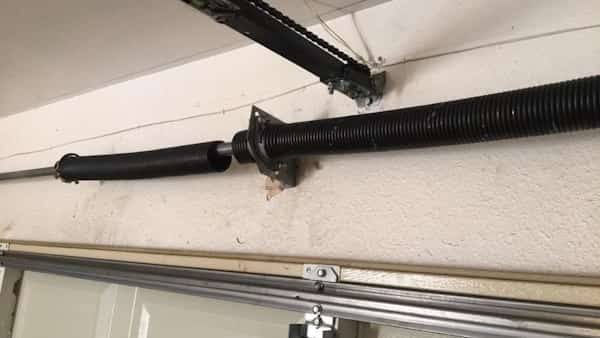
Imagine waking up to the loud bang of a broken garage door spring, leaving your car trapped inside. It is a frustrating and potentially dangerous situation that many homeowners face. When asking if one garage door spring breaks should you replace both, the short answer from professionals is almost always yes. This guide explains why replacing both springs is crucial for your safety, wallet, and peace of mind.
Why Do Garage Door Springs Break?
Garage door springs are under immense tension. They bear the weight of your entire garage door every time it opens and closes. Over time, this constant stress leads to metal fatigue. Most standard torsion springs are rated for a specific number of cycles, typically between 10,000 and 20,000 cycles. One cycle equals one full open and close operation.
If you use your garage door four times a day, a 10,000-cycle spring may last only seven years. Environmental factors also play a role. Humidity, temperature fluctuations, and lack of lubrication can accelerate wear and tear. When one spring fails, it is often a sign that the other has reached the end of its lifespan as well.
Understanding the mechanics behind these failures helps homeowners make informed decisions. It is not just about fixing the immediate problem; it is about preventing future breakdowns. For more detailed technical specifications on spring materials and engineering standards, you can refer to resources like Wikipedia’s page on springs.
The Risks of Replacing Only One Spring
Many homeowners consider replacing just the broken spring to save money. However, this approach comes with significant risks. Here is why experts strongly advise against it:
Imbalanced Weight Distribution
When you install a new spring alongside an old one, the new spring will be stronger and tighter. The old spring, having lost its tension over time, cannot match the power of the new one. This imbalance causes the garage door opener to work harder on one side. Over time, this uneven strain can damage the cables, rollers, and even the opener motor itself.
Safety Hazards
A mismatched spring system increases the risk of sudden failure. The older spring is already weakened. Adding the extra load from the imbalance can cause it to snap unexpectedly. A broken spring under high tension can become a dangerous projectile, posing serious injury risks to anyone nearby.
Higher Long-Term Costs
While replacing one spring seems cheaper upfront, it often leads to higher costs down the line. You will likely need to call a technician again soon when the second spring fails. Additionally, the strain on other components may require premature repairs or replacements. Replacing both springs at once is a more cost-effective strategy in the long run.
Benefits of Replacing Both Springs Simultaneously
Replacing both garage door springs offers several advantages that go beyond simple convenience. Let us explore the key benefits:
- Balanced Operation: Two new springs ensure equal tension on both sides of the door. This balance allows the door to open and close smoothly, reducing wear on the tracks and rollers.
- Extended Lifespan: New springs are rated for the same number of cycles. By installing them together, they will wear out at the same rate. This means you will not have to deal with another spring failure for several years.
- Improved Safety: A balanced system reduces the risk of sudden snaps or cable derailments. Professional installation ensures that the springs are properly wound and secured, minimizing hazards.
- Warranty Protection: Many manufacturers and service providers offer warranties on spring replacements. These warranties often require both springs to be replaced simultaneously to remain valid. Replacing only one may void your coverage.
| Feature | Replace One Spring | Replace Both Springs |
|---|---|---|
| Initial Cost | Lower | Higher |
| Balance | Poor | Excellent |
| Lifespan | Short (old spring fails soon) | Long (both new) |
| Safety Risk | High | Low |
| Future Repairs | Likely needed soon | Unlikely for years |
How to Know If Your Springs Need Replacement
Identifying worn-out springs early can prevent unexpected breakdowns. Look for these common signs:
- Visible Gaps: In torsion springs, look for a visible gap between the coils. A healthy spring has tightly wound coils. A gap indicates stretching and loss of tension.
- Loud Noises: A loud bang or snap usually signals a broken spring. However, creaking or grinding noises during operation can also indicate wear.
- Door Won’t Open Fully: If your door stops halfway or struggles to lift, the springs may not have enough tension to counterbalance the weight.
- Uneven Movement: Watch the door as it opens. If one side lags behind the other, it suggests an imbalance in spring tension.
- Age of Springs: If your springs are more than seven years old, consider proactive replacement even if they appear functional. Preventive maintenance is always cheaper than emergency repairs.
Step-by-Step Guide to Professional Spring Replacement
While DIY enthusiasts may be tempted to tackle this job, garage door spring replacement is highly dangerous. The tension stored in these springs can cause severe injury if handled incorrectly. It is strongly recommended to hire a certified technician. However, understanding the process helps you appreciate the complexity and value of professional service.
- Disconnect the Opener: Pull the emergency release cord to disconnect the door from the automatic opener. Manually lift the door to ensure it stays in place.
- Secure the Door: Use locking pliers or clamps to secure the door to the tracks. This prevents it from falling while you work.
- Release Tension: Using specialized winding bars, carefully unwind the old torsion springs. This step requires precision and the right tools. Never use screwdrivers or makeshift tools.
- Remove Old Springs: Once the tension is fully released, unbolt the springs from the center bracket and remove them.
- Install New Springs: Slide the new springs onto the torsion tube. Ensure they are the correct size and weight rating for your door. Secure them to the center bracket.
- Wind the New Springs: Using winding bars, apply the correct number of turns to each spring. The number of turns depends on the door height and spring specification. Both springs must have equal tension.
- Test the Balance: Remove the clamps and manually lift the door. It should stay in place at any point along the track. If it falls or rises too quickly, adjust the tension.
- Reconnect the Opener: Reattach the door to the opener and test the automatic operation. Listen for smooth movement and check for any unusual noises.
Frequently Asked Questions
Q: Can I replace just one spring if the other looks fine?
A: Even if the other spring looks fine, it has undergone the same amount of wear and tear. Its internal structure is likely fatigued. Replacing only one creates an imbalance that strains the system and leads to premature failure of the remaining old spring.
Q: How much does it cost to replace both garage door springs?
A: The cost varies based on location, door size, and spring type. On average, replacing both torsion springs ranges from $200 to $400, including labor. While this is more than replacing one, it provides better value and longevity.
Q: How long do garage door springs last?
A: Standard springs last between 7 to 10 years, depending on usage frequency. High-cycle springs can last longer but come at a higher initial cost. Regular maintenance, such as lubrication, can help extend their lifespan.
Q: Is it safe to lubricate garage door springs?
A: Yes, regular lubrication helps reduce friction and prevent rust. Use a silicone-based or lithium-based spray lubricant. Avoid WD-40 as it can attract dust and debris. Apply lubricant every six months for optimal performance.
Q: What happens if I ignore a broken spring?
A: Ignoring a broken spring renders your garage door inoperable. Attempting to force it open can damage the opener, tracks, and cables. It also poses a significant safety risk, as the door may fall unexpectedly. Always address broken springs immediately.
Conclusion
When facing the dilemma of if one garage door spring breaks should you replace both, the evidence clearly points to replacing both. This approach ensures balanced operation, enhances safety, and saves money in the long run by preventing frequent repairs. Do not gamble with the integrity of your garage door system.
Investing in professional replacement of both springs provides peace of mind and reliable performance for years to come. Share this article with friends and family who own homes with garage doors. Spreading awareness about proper maintenance can help prevent accidents and costly repairs for everyone. Stay safe and keep your garage door running smoothly!
Leave a Reply