Have you ever walked into your garage during winter and felt an unexpected chill, or noticed it turning into a sauna during summer? Many homeowners struggle with fluctuating temperatures in their garage, often wondering how to tell if your garage door is insulated without calling a professional. Understanding your door’s construction is the first step toward better energy efficiency and comfort.
In this guide, we will walk you through simple visual checks, physical tests, and documentation reviews to determine your garage door’s insulation status. By the end, you’ll know exactly what you’re working with and how it impacts your home’s overall energy performance.
Why Does Garage Door Insulation Matter?
Before we dive into the inspection methods, it’s crucial to understand why insulation matters. An insulated garage door acts as a thermal barrier, helping to maintain stable temperatures in your garage. This is particularly important if:
- Your garage is attached to your home.
- You use your garage as a workshop, gym, or storage space for temperature-sensitive items.
- You live in an area with extreme weather conditions.
According to the U.S. Department of Energy, proper insulation can significantly reduce heating and cooling costs by minimizing air leakage and thermal transfer. Learn more about home insulation basics on Wikipedia.
Method 1: The Visual Inspection (Look for Panels)
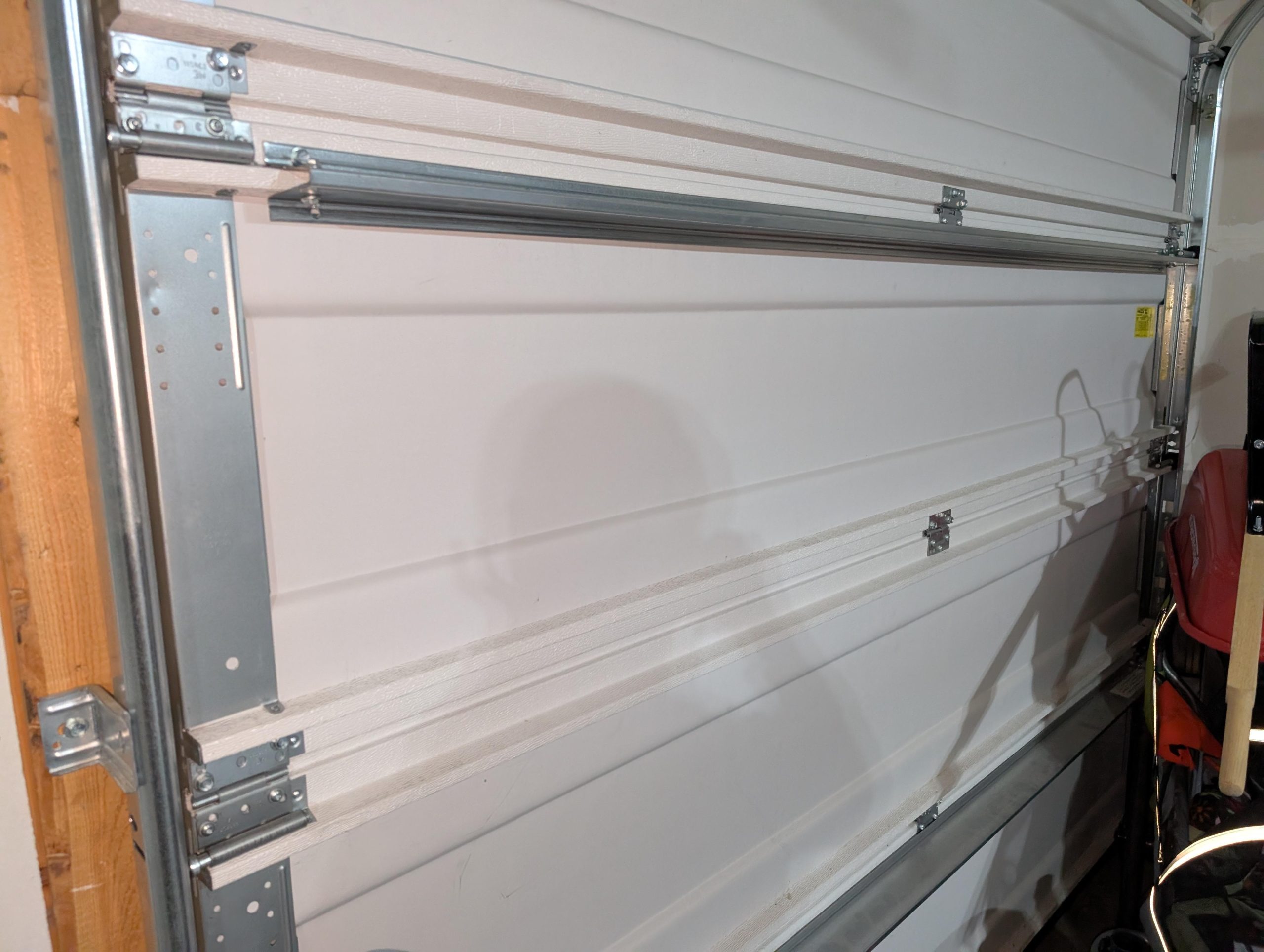
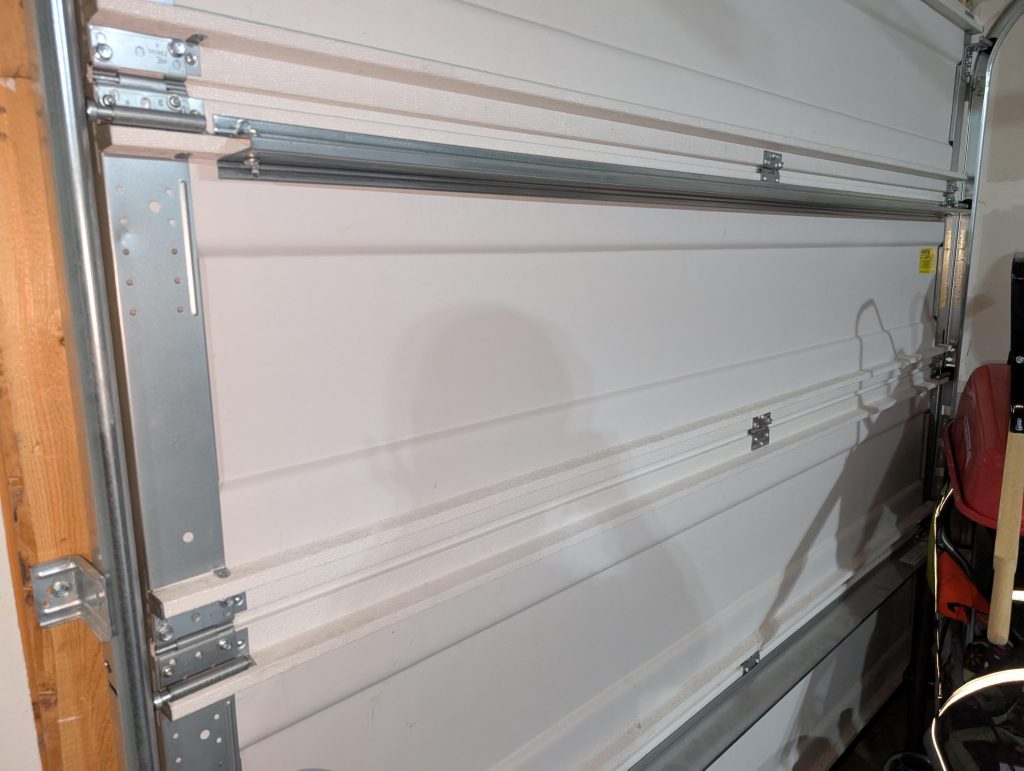
The easiest way to start determining how to tell if your garage door is insulated is by looking at the door itself. Most modern insulated garage doors have a distinct appearance compared to non-insulated ones.
Check the Interior Side
Stand inside your garage and look at the back of the door.
- Insulated Doors: Typically have a smooth, finished interior surface. You might see seams where panels join, but you won’t see exposed metal ribs or struts.
- Non-Insulated Doors: Often reveal the internal structure, such as horizontal metal braces or ribs. The back may look unfinished or industrial.
Examine the Panel Thickness
Insulated doors are generally thicker than single-layer doors.
- Single-Layer (Non-Insulated): Usually about 1–1.5 inches thick.
- Insulated: Can range from 1.75 inches to over 2 inches, depending on the insulation type and R-value.
If your door looks thin and flimsy, it is likely not insulated. However, thickness alone isn’t a definitive proof, so let’s move to the next test.
Method 2: The Knock Test (Listen for Sound)
This simple acoustic test can reveal a lot about your door’s construction. Grab a coin or your knuckles and gently tap on different sections of the door panels.
| Door Type | Sound Produced | Feel |
|---|---|---|
| Non-Insulated | Sharp, metallic “clang” or hollow ring | Thin, vibrates easily |
| Insulated | Dull, solid “thud” or muted sound | Solid, less vibration |
Why this works: Insulation material (like polystyrene or polyurethane) absorbs sound and adds mass to the panel. A hollow, ringing sound indicates empty space behind the metal skin, suggesting no insulation.
Method 3: Check the Edge and Seals
Inspect the edges of the door panels, especially where they meet the vertical tracks.
- Look for Foam Core: If you can see the cross-section of the panel (sometimes visible at the bottom or top edge), look for a foam-like material sandwiched between two metal sheets. This is a clear sign of insulation.
- Weather Stripping: While not insulation itself, high-quality insulated doors often come with robust weather stripping around the perimeter to prevent air leaks. If your door has thick, durable rubber seals, it’s more likely to be insulated.
Method 4: Review the Manufacturer’s Label or Manual
If visual and physical tests aren’t conclusive, your best bet is to find the manufacturer’s information.
Locate the Data Plate
Most garage doors have a label or data plate attached to the interior side, often near the bottom panel or on the hinge bracket. This label typically includes:
- Model number
- Serial number
- R-Value (if insulated)
What is R-Value?
R-value measures thermal resistance. The higher the R-value, the better the insulation.
- R-8 to R-12: Common for basic insulated doors (polystyrene core).
- R-13 to R-18+: Found in premium insulated doors (polyurethane foam-injected).
If the label mentions an R-value, your door is definitely insulated. If it’s missing or only lists weight and dimensions without thermal ratings, it may not be.
Method 5: The Temperature Test (Feel the Difference)
On a day with extreme outdoor temperatures (very hot or very cold), place your hand on the interior surface of the garage door.
- Non-Insulated: The door will feel close to the outdoor temperature. If it’s 90°F outside, the door will feel hot to the touch.
- Insulated: The door will feel closer to the garage’s ambient temperature. It should feel neutral or slightly cool/warm, but not extreme.
For a more accurate test, use an infrared thermometer. Compare the temperature of the door surface to the surrounding wall. A significant difference suggests poor insulation.
Types of Garage Door Insulation
Understanding the type of insulation can help you assess quality. There are two main types:
1. Polystyrene (Beadboard)
- Appearance: Rigid foam boards cut to fit between steel panels.
- Pros: Cost-effective, lightweight.
- Cons: Lower R-value per inch, can leave gaps if not fitted properly.
2. Polyurethane (Foam-In-Place)
- Appearance: Foam injected between panels, expanding to fill all spaces.
- Pros: Higher R-value, adds structural strength, better air sealing.
- Cons: More expensive, heavier.
If your door has polyurethane insulation, it’s likely a higher-end model with better thermal performance.
FAQ: Common Questions About Garage Door Insulation
Q1: Can I add insulation to an existing non-insulated garage door?
Yes, you can install DIY insulation kits made of reflective foil or foam boards. However, these won’t match the performance of factory-insulated doors and may add weight that strains your opener.
Q2: What is a good R-value for a garage door?
For most climates, an R-value of R-8 to R-12 is sufficient. In colder regions, aim for R-13 or higher. Keep in mind that garage doors rarely achieve the same R-values as wall insulation due to their moving nature and seams.
Q3: Does an insulated garage door reduce noise?
Yes, significantly. Insulation acts as a sound dampener, reducing noise from outside traffic, neighbors, or even the door’s own operation. This is a major benefit for homes with bedrooms above or adjacent to the garage.
Q4: How much does an insulated garage door cost compared to a non-insulated one?
Insulated doors typically cost 20–40% more than non-insulated models. However, the energy savings, durability, and noise reduction often justify the investment over time.
Q5: Will insulating my garage door lower my energy bills?
If your garage is attached to your home, yes. It reduces the thermal load on your HVAC system by preventing heat loss in winter and heat gain in summer. For detached garages, the impact on home energy bills is minimal, but it still improves comfort for stored items.
Conclusion
Knowing how to tell if your garage door is insulated empowers you to make informed decisions about your home’s energy efficiency. By using the visual, acoustic, and tactile methods outlined above, you can quickly assess your door’s condition.
Remember, an insulated garage door isn’t just about temperature control—it’s about comfort, noise reduction, and long-term durability. If you discover your door lacks insulation, consider upgrading or adding a DIY kit to reap the benefits.
Did you find this guide helpful? Share it with friends or family who might be struggling with a chilly or noisy garage! Let’s spread the knowledge for warmer winters and cooler summers.
Leave a Reply