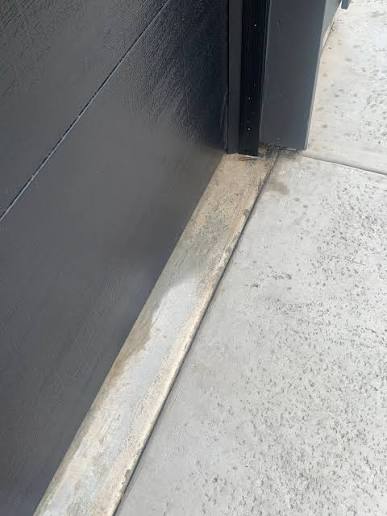
Water pooling under your garage door isn’t just annoying—it’s a serious threat to your home’s foundation, belongings, and safety. If you’re wondering how to stop water from getting under garage door, you’re not alone. Thousands of homeowners face this frustrating problem every rainy season, dealing with damaged tools, mold growth, and costly repairs.
The good news? You don’t need to be a contractor or spend thousands to fix it. With the right approach and materials, you can create an effective barrier against water intrusion in just a few hours. Let’s dive into proven methods that actually work.
Why Does Water Get Under Your Garage Door?
Before fixing the problem, understanding why it happens helps you choose the right solution. Water infiltration typically occurs due to:
- Poor drainage around your driveway or garage entrance
- Worn or damaged weatherstripping at the bottom of the door
- Uneven garage floor creating gaps where water pools
- Heavy rainfall overwhelming existing seals
- Improper door alignment leaving visible gaps
According to the Federal Emergency Management Agency (FEMA), water damage is one of the most common homeowner insurance claims, with basement and garage flooding accounting for nearly 40% of all water-related incidents. Taking preventive action now saves you from expensive repairs later.
Method 1: Install a Garage Door Bottom Seal
The most effective first line of defense is upgrading your garage door’s bottom seal. Here’s how:
Step-by-Step Installation Guide
- Measure your garage door width precisely using a tape measure. Most residential doors range from 8 to 16 feet wide.
- Choose the right seal type:
- Rubber bulb seals: Best for uneven floors, compressible design
- Vinyl T-seals: Durable and affordable, good for smooth surfaces
- Threshold seals: Create a raised barrier, ideal for heavy rain areas
- Remove the old seal by pulling it out of the aluminum retainer channel at the door’s bottom. Clean any debris or rust from the channel.
- Cut the new seal to match your door width exactly. Use sharp scissors or a utility knife for clean edges.
- Insert the new seal firmly into the channel, starting from one end and working across. Ensure it sits evenly without twists.
- Test the seal by closing the door and checking for gaps. Pour a small amount of water (about 1 liter) near the threshold to verify effectiveness.
Pro Tip: Replace your garage door seal every 2–3 years, or sooner if you notice cracking, brittleness, or visible wear.
Method 2: Add a Garage Door Threshold Seal
A threshold seal creates a physical barrier on the ground itself, blocking water before it reaches the door gap. This method works exceptionally well when combined with a bottom seal.
Types of Threshold Seals
| Type | Material | Best For | Cost Range |
|---|---|---|---|
| Rubber Ramp | Heavy-duty rubber | Driveways with slope | $30–$60 |
| Vinyl Strip | Flexible vinyl | Flat concrete floors | $20–$40 |
| Aluminum Threshold | Metal with rubber insert | High-traffic areas | $50–$100 |
Installation Process
- Clean the area thoroughly where the threshold will sit. Remove dirt, oil, and debris using a degreaser and stiff brush.
- Dry the surface completely. Moisture prevents proper adhesion.
- Position the threshold so it sits flush against the closed garage door. Mark the edges with painter’s tape.
- Apply construction adhesive to the bottom of the threshold strip. Use a product rated for outdoor use and concrete surfaces.
- Press firmly into place, applying even pressure along the entire length. Use a rubber mallet if needed.
- Allow 24–48 hours for the adhesive to cure fully before exposing it to water or vehicle traffic.
For more information on building standards and waterproofing techniques, visit Wikipedia’s article on waterproofing.
Method 3: Improve Drainage Around Your Garage
Even the best seals won’t help if water pools directly against your garage door. Proper drainage redirects water away from vulnerable areas.
Quick Drainage Fixes
- Install a French drain parallel to your garage entrance, sloping away from the structure at a minimum gradient of 1% (1 cm drop per meter)
- Add gutter extensions to direct roof runoff at least 6 feet away from the garage
- Regrade the driveway so it slopes away from the garage door (ideal slope: 2% away from structure)
- Create a swale (shallow ditch) to channel water around rather than toward the garage
When to Call a Professional
Consider hiring a landscaper or drainage specialist if:
- Your property has significant grading issues
- You experience frequent flooding despite DIY efforts
- Local building codes require permits for drainage modifications
Method 4: Apply Waterproof Coating to Garage Floor
Sealing your garage floor prevents water from seeping through concrete cracks and reduces overall moisture problems.
Application Steps
- Prepare the surface by cleaning thoroughly with a concrete cleaner and etching solution. Rinse and allow to dry for at least 24 hours.
- Repair cracks using concrete patching compound. Smooth with a trowel and let cure according to manufacturer instructions.
- Apply epoxy or polyurethane coating using a roller with extension pole. Work in sections no larger than 10×10 feet for even coverage.
- Use 2–3 liters of coating per square meter, maintaining temperature between 22–28°C for optimal curing.
- Allow 72 hours before driving vehicles or placing heavy items on the coated surface.
Comparing Solutions: What Works Best?
| Solution | Effectiveness | Cost | Difficulty | Maintenance |
|---|---|---|---|---|
| Bottom Seal Replacement | High | $15–$40 | Easy | Replace every 2–3 years |
| Threshold Seal | Very High | $20–$100 | Moderate | Inspect annually |
| Drainage Improvement | High | $100–$500+ | Hard | Minimal once installed |
| Floor Coating | Medium | $50–$200 | Moderate | Reapply every 5 years |
Recommendation: For most homeowners, combining a quality bottom seal with a threshold seal provides the best balance of cost and effectiveness. Add drainage improvements if water pooling is severe.
Common Mistakes to Avoid
- Using cheap materials that degrade quickly in UV light and temperature changes
- Ignoring the root cause (poor drainage) while only treating symptoms
- Installing seals on dirty surfaces, leading to poor adhesion
- Overlooking door alignment—a crooked door creates gaps no seal can fix
- Waiting too long to address minor leaks, allowing mold and structural damage
Frequently Asked Questions
How much does it cost to stop water from getting under a garage door?
Basic solutions like replacing a bottom seal cost $15–$40. Adding a threshold seal brings the total to $50–$100. Comprehensive fixes including drainage work range from $200–$500+, depending on severity and whether you hire professionals.
Can I install a garage door seal myself?
Absolutely! Installing a bottom seal is a straightforward DIY project requiring basic tools (tape measure, utility knife, screwdriver). Threshold seals are slightly more challenging but still manageable for confident DIYers. Allow 1–2 hours for completion.
How often should I replace my garage door weatherstripping?
Replace weatherstripping every 2–3 years under normal conditions. Inspect annually for cracks, tears, or compression loss. Harsh climates with extreme temperatures or heavy rainfall may require more frequent replacement.
Will a garage door seal keep out pests too?
Yes! Quality rubber or vinyl seals effectively block insects, rodents, and small animals from entering through the gap under your garage door. This added benefit makes seal replacement worthwhile even without water issues.
What if my garage floor is uneven?
For uneven floors, choose a compressible rubber bulb seal that conforms to irregularities. You can also apply self-leveling concrete compound to create a smoother surface before installing a threshold seal. In severe cases, consult a concrete professional.
Does insurance cover water damage from garage door leaks?
Coverage varies by policy. Most standard homeowners insurance covers sudden, accidental water damage but excludes gradual leaks due to poor maintenance. Document the damage, take photos, and contact your insurer promptly. Preventive measures like proper sealing demonstrate responsible homeownership.
Take Action Today
Stopping water from getting under your garage door doesn’t require expensive contractors or major renovations. By implementing even one of these proven methods—starting with a simple seal replacement—you’ll protect your belongings, prevent mold growth, and maintain your home’s value.
Ready to tackle this project? Start by inspecting your current seal this weekend. If it shows wear, order a replacement online or visit your local hardware store. Share this guide with neighbors who might face similar issues, and tag us on social media with your before-and-after photos using #GarageDoorFix.
Your future self—and your dry garage—will thank you!
Leave a Reply