If you’re worried about break-ins or simply want extra peace of mind, learning How To Secure A Garage Door From The Outside is essential. Many homeowners overlook garage security, even though it’s one of the most common entry points for intruders. The good news? With a few smart steps, you can significantly improve your home’s safety.
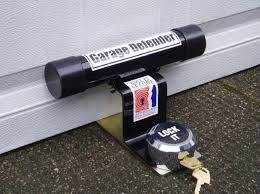
Why Is It Important to Secure a Garage Door From the Outside?
Garage doors are often targeted because they’re easier to bypass than front doors. According to security studies, about 9% of burglars enter through the garage, making it a critical weak point in home security.
Read too: How Do You Change Code On Garage Door Keypad Fast?
A properly secured garage door helps:
- Prevent unauthorized access
- Protect valuables stored inside
- Block entry to your main home
For a deeper overview of residential security risks, visit:
https://en.wikipedia.org/wiki/Home_security
What Are the Weak Points of a Garage Door?
Before fixing the problem, it helps to understand where vulnerabilities exist.
Common Weak Spots:
- Emergency release cord
- Weak manual locks
- Thin door panels
- Poor sealing or gaps
- Outdated locking mechanisms
💡 Insight: Many break-ins happen in under 90 seconds, often exploiting these exact weaknesses.
How To Secure A Garage Door From The Outside (Step-by-Step)
Step 1: Install a Heavy-Duty Garage Door Lock
A standard lock isn’t enough. Choose a deadbolt-style garage lock designed for exterior security.
How to do it:
- Measure the door thickness (usually 1.5–2 inches)
- Drill a hole at waist height (~36–42 inches from ground)
- Install the lock mechanism using provided screws
- Ensure the bolt slides securely into the track
Step 2: Shield the Emergency Release Cord
Burglars often use a wire hanger to pull the release cord from outside.
Solution:
- Install a garage door shield
- Or zip-tie the release lever (leave it easy to cut in emergencies)
Step 3: Use a Padlock on the Track
This is a simple but effective method.
Steps:
- Close the garage door completely
- Drill a small hole (about 0.25 inches) in the track
- Insert a sturdy padlock
This prevents the door from being lifted.
Step 4: Reinforce the Garage Door Panels
Thin aluminum doors are easy to bend.
Upgrade options:
- Install a steel reinforcement bar
- Add a vertical brace
- Replace with a solid-core door
Step 5: Add Motion Sensor Lighting
Darkness makes garages an easy target.
Best practices:
- Install lights at 6–10 feet height
- Use LED lights with at least 800 lumens
- Set detection range to 20–40 feet
Step 6: Install a Smart Garage Door Lock
Modern solutions provide remote monitoring.
Benefits:
- Control access via smartphone
- Receive alerts when the door opens
- Temporary codes for guests
Best Security Methods Comparison
| Method | Cost Level | Effectiveness | Ease of Installation |
|---|---|---|---|
| Deadbolt Lock | Low | High | Easy |
| Track Padlock | Very Low | Medium | Easy |
| Smart Lock | Medium | Very High | Moderate |
| Door Reinforcement | Medium | High | Moderate |
| Motion Lighting | Low | Medium | Easy |
Pros vs Cons of External Garage Security
Advantages
- Strong deterrent against burglars
- Increases property value
- Peace of mind
Disadvantages
- Initial setup cost
- Requires maintenance
- Some solutions need installation tools
Common Mistakes to Avoid
1. Ignoring the Emergency Release
This is the #1 overlooked vulnerability.
2. Using Cheap Locks
Low-quality locks can be broken in seconds.
3. Leaving Gaps Around the Door
Even a small gap can allow tools to be inserted.
4. Forgetting to Lock the Door
Security tools only work if you use them consistently.
Expert Tips for Maximum Security
- Combine at least two methods (e.g., lock + lighting)
- Inspect your garage every 3–6 months
- Upgrade older doors (10+ years old)
- Install security cameras for added monitoring
🔒 Security professionals recommend layering defenses rather than relying on a single solution.
How to Secure Different Types of Garage Doors
Sectional Garage Doors
- Use track locks
- Reinforce hinges
Roller Doors
- Install bottom bar locks
- Add anti-lift devices
Tilt-Up Doors
- Add side latches
- Use heavy-duty padlocks
FAQ: How To Secure A Garage Door From The Outside
Q1: What is the best way to secure a garage door from outside?
The most effective method is combining a deadbolt lock, track lock, and motion lighting.
Q2: Can burglars open a garage door easily?
Yes, especially if the emergency release is exposed or the lock is weak.
Q3: Is a padlock enough for garage security?
A padlock helps, but it’s best used alongside other security measures.
Q4: How do I secure a garage door without power?
Use manual locks like deadbolts and track locks—they don’t rely on electricity.
Q5: Are smart garage locks safe?
Yes, especially models with encryption and app-based monitoring.
Q6: How often should I check my garage security?
At least every 3–6 months or after any suspicious activity.
Conclusion
Understanding How To Secure A Garage Door From The Outside can make a huge difference in protecting your home and belongings. By combining simple tools like locks, lighting, and reinforcement, you create a strong barrier against potential intruders.
Start with one upgrade today, then build from there. Your future self—and your peace of mind—will thank you.
If you found this guide helpful, share it with friends or family on social media so they can protect their homes too!
Leave a Reply