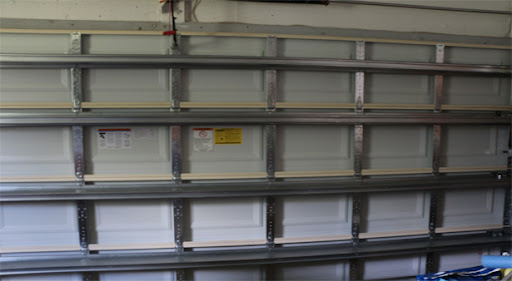
Hurricane season brings anxiety for millions of homeowners across coastal regions. Your garage door is often the weakest point in your home’s defense against powerful winds, yet many people overlook it until it’s too late. Understanding how to secure a garage door for a hurricane can mean the difference between minor repairs and catastrophic structural damage to your entire home.
Why Is Your Garage Door Vulnerable During Hurricanes?
Before diving into solutions, it’s crucial to understand why garage doors fail during storms. Most residential garage doors are designed for convenience and insulation—not to withstand extreme wind pressures. When hurricane-force winds hit, they create both positive pressure (pushing against the door) and negative pressure (pulling from behind). This dual force can cause standard garage doors to buckle, break, or completely detach from their tracks.
According to the Federal Emergency Management Agency (FEMA), garage door failure accounts for approximately 80% of structural damage during hurricanes. Once a garage door fails, wind enters your home, creating internal pressure that can literally blow off your roof and collapse walls. The Insurance Institute for Business & Home Safety reports that properly reinforced garage doors can reduce wind-related damage by up to 75%.
What Are the Best Methods to Reinforce Your Garage Door?
Install a Hurricane-Rated Garage Door Bracing Kit
The most effective DIY solution involves installing a commercial-grade bracing system. These kits typically include vertical steel braces that attach to your existing garage door panels and horizontal supports that connect to the wall studs on either side.
Step-by-Step Installation Process:
- Measure your garage door dimensions – Most kits accommodate doors ranging from 8 to 16 feet wide
- Purchase a certified bracing kit – Look for products tested to meet Miami-Dade County standards (the strictest hurricane codes in the U.S.)
- Install vertical braces – Position one brace per door panel, securing them with provided hardware
- Attach horizontal cross-braces – Connect these to wall studs using heavy-duty lag screws (minimum 3/8-inch diameter)
- Test the system – Ensure all connections are tight and the door still operates smoothly when disengaged
Quality bracing kits cost between $150-$400 and can be installed in 2-3 hours with basic tools. Brands like Clopay and Wayne Dalton offer FEMA-approved options.
Upgrade to Impact-Resistant Garage Doors
If you’re building new or replacing an old door, consider investing in hurricane-rated garage doors from the start. These doors feature:
| Feature | Standard Door | Hurricane-Rated Door |
|---|---|---|
| Wind Resistance | Up to 90 mph | 150-200+ mph |
| Material | Single-layer steel | Multi-layer composite |
| Track System | Standard gauge | Heavy-duty reinforced |
| Certification | None | Miami-Dade NOA approved |
| Cost | $800-$1,500 | $2,000-$4,500 |
While more expensive initially, impact-resistant doors provide superior protection and may qualify you for insurance discounts of 10-25%.
Apply Temporary Plywood Reinforcement
For emergency situations or budget-conscious homeowners, plywood boarding remains a viable option. However, this method requires proper technique to be effective.
Materials Needed:
- 5/8-inch exterior-grade plywood sheets
- 2×4 lumber for framing
- 3-inch deck screws
- Power drill
Installation Steps:
- Cut plywood to fit each garage door panel precisely
- Build a wooden frame around the door opening using 2x4s
- Attach plywood to the frame using screws every 6 inches along edges
- Secure the entire assembly to surrounding wall studs
- Remove immediately after the storm passes to prevent moisture damage
Important note: Never attach plywood directly to the garage door itself, as the added weight can damage springs and openers. Always create an independent external barrier.
How Do You Prepare Other Garage Components for Storms?
Securing the door alone isn’t sufficient. Hurricane preparation requires addressing multiple vulnerability points:
Reinforce Garage Door Tracks and Hardware:
- Replace standard rollers with nylon-coated steel versions
- Tighten all track mounting brackets
- Inspect and lubricate hinges before storm season
- Consider upgrading to heavy-duty torsion springs rated for high-wind areas
Secure Garage Door Openers:
- Disconnect automatic openers during hurricanes to prevent accidental activation
- Install battery backup systems for manual operation if needed
- Store remote controls indoors away from potential flood zones
Seal Gaps and Weak Points:
- Apply weatherstripping around door edges to reduce wind infiltration
- Seal cracks in garage walls and foundation with hydraulic cement
- Install storm shutters on any garage windows
When Should You Start Hurricane Preparations?
Timing matters significantly when preparing for hurricanes. Meteorologists typically provide 5-7 days of advance warning for major storms, but preparation should begin much earlier.
Recommended Timeline:
- 3-6 months before hurricane season: Install permanent reinforcements like bracing kits or upgrade to impact-resistant doors
- 2 weeks before predicted storm: Test all reinforcement systems and replace worn components
- 48-72 hours before landfall: Install temporary measures like plywood if not already done
- 24 hours before arrival: Secure loose items in garage, disconnect opener, and perform final inspection
According to the National Weather Service, last-minute preparations account for 40% of hurricane-related injuries. Starting early reduces stress and ensures thorough protection.
What Common Mistakes Should You Avoid?
Many homeowners make critical errors when attempting to secure garage doors. Understanding these pitfalls can save you money and potentially your home:
Mistake #1: Using Insufficient Materials Thin plywood (less than 5/8-inch) or flimsy bracing systems won’t withstand Category 3+ hurricane winds. Always choose materials rated for your specific wind zone.
Mistake #2: Improper Installation Even the best bracing kit fails if installed incorrectly. Follow manufacturer instructions precisely, or hire a licensed contractor familiar with local building codes.
Mistake #3: Ignoring Local Building Codes Hurricane building requirements vary significantly by region. Coastal Florida has different standards than North Carolina or Texas. Check with your local building department for specific requirements.
Mistake #4: Forgetting About Maintenance Reinforcement systems degrade over time. Inspect bracing kits annually, replace corroded hardware, and test functionality before each hurricane season.
Mistake #5: Relying Solely on Temporary Solutions Plywood provides emergency protection but shouldn’t replace permanent reinforcements. Use temporary measures only as supplements to proper bracing systems.
Frequently Asked Questions
How much does it cost to hurricane-proof a garage door?
Costs vary based on your chosen method. Permanent bracing kits range from $150-$400 plus installation. Upgrading to a hurricane-rated door costs $2,000-$4,500 installed. Temporary plywood solutions cost $50-$100 per storm but require repeated purchase and installation.
Can I install a garage door bracing kit myself?
Yes, most homeowners with basic DIY skills can install bracing kits in 2-3 hours. You’ll need a drill, level, measuring tape, and possibly a helper for larger doors. However, if you’re uncomfortable working with structural components, hire a professional installer.
Will my insurance cover hurricane damage to an unsecured garage door?
Most homeowner’s insurance policies cover hurricane damage, but some insurers in high-risk areas may deny claims if you failed to take reasonable protective measures. Additionally, having proper reinforcements may qualify you for premium discounts of 10-25%.
How strong do hurricane winds need to be to damage a garage door?
Standard garage doors typically fail at wind speeds of 70-90 mph. Category 1 hurricanes start at 74 mph, meaning even minimal hurricane-force winds can compromise unprotected doors. Hurricane-rated doors withstand 150-200+ mph winds depending on certification level.
Should I close or leave open my garage door during a hurricane?
Always keep your garage door closed and secured during hurricanes. An open garage allows wind to enter freely, creating dangerous internal pressure that can destroy your home’s structure. Properly secured closed doors help maintain structural integrity.
How often should I inspect my garage door hurricane preparations?
Inspect permanent reinforcement systems annually, ideally before hurricane season begins (June 1st in the Atlantic). Check for rust, loose bolts, cracked wood, or damaged components. Test temporary systems before each storm threat to ensure everything functions properly.
Conclusion
Learning how to secure a garage door for a hurricane is one of the most impactful steps you can take to protect your home and family. Whether you choose permanent bracing kits, invest in impact-resistant doors, or prepare temporary plywood barriers, taking action before storm season arrives provides peace of mind and potentially saves thousands in repair costs.
Remember that garage door failure often triggers cascading structural damage throughout your entire home. By reinforcing this vulnerable entry point, you’re not just protecting your garage—you’re safeguarding your entire property.
Don’t wait for the next hurricane warning. Assess your garage door’s vulnerabilities today, implement appropriate reinforcements, and share this guide with neighbors and friends in hurricane-prone areas. Together, we can build more resilient communities capable of weathering whatever storms come our way.
Stay safe, stay prepared, and protect what matters most.
Leave a Reply