If you’re noticing drafts, dust, or even small pests entering your garage, the gap at the top of your door might be the culprit. Learning how to seal the top of a garage door is a simple yet powerful way to improve insulation and protect your space. The good news? You don’t need to be a professional to fix it.
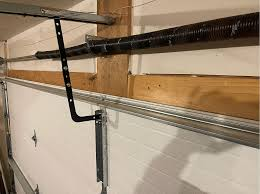
Why Is There a Gap at the Top of My Garage Door?
Understanding the cause helps you choose the right solution.
Common reasons:
- Uneven garage floor or frame
- Warped door panels
- Improper installation
- Worn-out weather stripping
- Seasonal expansion and contraction
Read too: Tc1 Tricode Garage Door Opener Remote W/ Clip Chamberlain: Complete Guide
According to building experts, air leakage through garage gaps can increase energy loss by up to 15–20%, especially in attached garages.
👉 Proper sealing is part of effective weatherproofing, which you can explore further on Weatherstripping.
What Is the Best Way to Seal the Top of a Garage Door?
There’s no one-size-fits-all solution. The best method depends on the size of the gap and your door type.
Most effective sealing options:
- Top weather stripping (rubber or vinyl seal)
- Garage door threshold seal
- Adjustable top seal retainer
- Foam insulation strips
👉 For most homeowners, weather stripping is the easiest and most cost-effective solution.
Tools and Materials You’ll Need
Before starting, prepare these tools:
- Measuring tape
- Utility knife
- Drill or screwdriver
- Galvanized nails or screws
- Ladder
- Cleaning cloth
Materials:
- Top weather seal (rubber/vinyl)
- Seal retainer (optional)
- Silicone-based adhesive (for extra hold)
How To Seal The Top Of A Garage Door (Step-by-Step Guide)
Follow these steps carefully for the best results.
Step 1: Measure the Gap Accurately
Close the garage door fully.
- Measure the width of the door (e.g., 9 ft or 16 ft)
- Check the gap height at multiple points
👉 Example: If the gap ranges from 0.5 to 1 inch, choose a flexible seal that compresses easily.
Step 2: Clean the Surface
Wipe the top edge of the garage door frame.
- Remove dust, grease, and debris
- Use a damp cloth and mild cleaner
- Let it dry completely (5–10 minutes)
👉 A clean surface ensures better adhesion and durability.
Step 3: Cut the Weather Seal to Size
Using a utility knife:
- Cut the seal according to door width
- Leave an extra 0.5 inch on each side for adjustment
Step 4: Install the Seal
There are two common methods:
Option A: Nail-On Weather Stripping
- Position the seal at the top frame
- Nail every 8–12 inches
- Ensure even pressure across the seal
Option B: Adhesive Seal
- Apply silicone adhesive evenly
- Press the seal firmly into place
- Hold for 30–60 seconds per section
Step 5: Test the Seal
Close the garage door and check:
- No visible light entering
- Seal compresses evenly
- Door opens/closes smoothly
👉 If needed, adjust positioning slightly.
Top Seal vs Other Garage Sealing Methods
Comparison Table
| Method | Best For | Cost Range | Difficulty |
|---|---|---|---|
| Top weather seal | Small top gaps | Low | Easy |
| Threshold seal | Bottom gaps | Medium | Medium |
| Foam tape | Temporary fixes | Low | Very Easy |
| Door adjustment | Structural issues | High | Hard |
Common Mistakes to Avoid
Avoid these errors to ensure long-lasting results:
- ❌ Installing seal on a dirty surface
- ❌ Using the wrong seal thickness
- ❌ Overstretching the material
- ❌ Ignoring uneven gaps
- ❌ Blocking door movement
Pro Tips for a Perfect Seal
- Use UV-resistant materials for durability
- Replace seals every 2–3 years
- Combine top and side seals for full protection
- Check seals before winter or rainy seasons
📊 Real-world insight: Homeowners who fully seal garage gaps can reduce indoor temperature fluctuations by up to 10°F (≈5.5°C).
Benefits of Sealing the Top of Your Garage Door
✔ Improved energy efficiency
✔ Reduced dust and debris
✔ Keeps insects and pests out
✔ Better indoor comfort
✔ Lower utility bills
When Should You Replace Instead of Seal?
Sealing won’t fix everything.
Replace components if:
- The door is severely warped
- The frame is misaligned
- The seal doesn’t compress even after installation
- The garage door is over 10–15 years old
FAQ: How To Seal The Top Of A Garage Door
1. What is the best material for garage door top seals?
Rubber and vinyl are the most durable and flexible options. They perform well in different weather conditions.
2. Can I seal a large gap at the top of my garage door?
Yes, but for gaps larger than 1.5 inches, you may need a combination of sealing and door adjustment.
3. How long does it take to seal a garage door?
Most DIY projects take 30–90 minutes, depending on experience and tools.
4. Will sealing my garage door reduce energy bills?
Yes. Proper sealing can reduce energy loss by up to 20%, especially in attached garages.
5. How often should I replace the top seal?
Typically every 2–3 years, or sooner if you notice cracks or wear.
6. Can I install a seal without drilling?
Yes. Adhesive-backed seals are available, though they may not last as long as nailed versions.
Conclusion
Learning how to seal the top of a garage door is a simple upgrade that delivers big benefits—from energy savings to better protection against dust and pests. With the right tools and a step-by-step approach, this is a DIY project almost anyone can complete in under an hour.
Take action today and enjoy a more comfortable, efficient garage.
👉 If this guide helped you, share it on social media so others can fix their garage door gaps too!
Leave a Reply