If you’re searching “How To Seal The Sides Of A Garage Door”, chances are you’re dealing with drafts, dust, pests, or even water sneaking into your garage. These gaps may seem small, but they can lead to bigger problems over time.
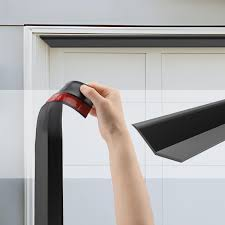
The good news? Sealing the sides of your garage door is a simple, affordable DIY project that can make a huge difference in comfort and energy efficiency.
Read too: Tc1 Tricode Garage Door Opener Remote W/ Clip Chamberlain: Complete Guide
Why Should You Seal The Sides Of A Garage Door?
Sealing the sides isn’t just about looks—it’s about protection and efficiency.
Key Benefits:
- Prevents cold or hot air drafts
- Keeps out insects and rodents
- Reduces moisture and water leaks
- Improves energy efficiency
- Protects stored items
💡 According to energy efficiency studies, sealing air leaks can reduce energy loss by up to 20% in some homes.
What Causes Gaps On Garage Door Sides?
Understanding the cause helps you choose the right solution.
Common Causes:
- Worn-out weather stripping
- Uneven garage floor
- Door misalignment
- Warped door panels
- Improper installation
What Materials Do You Need?
Before starting, gather these tools and materials.
Essential Supplies:
- Vinyl or rubber weather stripping
- Measuring tape
- Utility knife
- Hammer or drill
- Nails or screws (1–2 inches)
- Adhesive sealant (optional)
Types of Garage Door Side Seals
Not all seals are the same. Here’s a quick comparison.
Weather Stripping Options:
| Type | Pros | Cons |
|---|---|---|
| Vinyl | Durable, affordable | Can stiffen in cold |
| Rubber | Flexible, weather-resistant | Slightly more expensive |
| Foam | Easy to install | Less durable |
👉 Best choice: Rubber seals for long-term performance.
How To Seal The Sides Of A Garage Door (Step-by-Step)
Follow this guide to get professional results—even as a beginner.
Step 1: Measure the Door Frame
- Measure both vertical sides of the garage door
- Add an extra 1–2 inches for adjustments
Step 2: Remove Old Weather Stripping
- Use a screwdriver or pry bar
- Carefully remove nails or screws
- Clean the surface thoroughly
💡 Dirt or debris can prevent proper sealing.
Step 3: Cut New Weather Stripping
- Use a utility knife
- Match the exact height of the frame
- Ensure straight, clean cuts
Step 4: Position the Seal Correctly
- Place the seal along the door frame
- Ensure it lightly presses against the door
👉 It should seal gaps without blocking movement.
Step 5: Attach the Weather Stripping
- Nail or screw every 12–16 inches
- Keep alignment straight
- Avoid over-tightening
Step 6: Test the Seal
- Open and close the door
- Check for light or air leaks
- Adjust if necessary
How Tight Should the Seal Be?
This is a common mistake area.
Ideal Fit:
- Slight pressure against the door
- No visible gaps
- Door opens smoothly
Avoid:
- Too tight → Causes friction and wear
- Too loose → Ineffective sealing
Additional Sealing Tips for Better Results
To maximize effectiveness:
- Install a bottom seal as well
- Use threshold seals for uneven floors
- Apply caulk for small cracks
- Check alignment regularly
Real-Life Example
Scenario:
A homeowner notices cold air entering the garage during winter.
Problem:
Worn-out side seals with visible gaps.
Solution:
- Replaced old vinyl strips with rubber seals
- Adjusted door alignment
Result:
Garage temperature improved noticeably, and energy bills decreased.
Common Mistakes to Avoid
- Skipping measurements
- Using low-quality materials
- Installing seals too tight
- Ignoring door alignment
- Not cleaning the surface first
How Long Does It Take?
- DIY time: 30–60 minutes
- Skill level: Beginner-friendly
- Cost: Typically $20–$50
How Garage Door Sealing Improves Efficiency
Sealing prevents air leakage, which is a major cause of energy loss.
Air leakage is a common issue in buildings. Learn more here:
https://en.wikipedia.org/wiki/Weatherization
👉 Proper sealing helps maintain indoor temperature and reduces HVAC strain.
Maintenance Tips
Keep your garage door seals in top condition:
- Inspect seals every 6 months
- Replace worn or cracked strips
- Clean regularly
- Lubricate door tracks
FAQ: How To Seal The Sides Of A Garage Door
1. What is the best material for sealing garage door sides?
Rubber weather stripping is the best due to durability and flexibility.
2. Can I seal my garage door myself?
Yes, it’s a simple DIY project requiring basic tools.
3. How often should I replace garage door seals?
Typically every 2–5 years, depending on wear and climate.
4. Why is my garage still drafty after sealing?
You may need to seal the bottom or check door alignment.
5. Do I need professional help?
Not usually, unless the door is severely misaligned.
6. How much does it cost to seal a garage door?
DIY costs range from $20 to $50, depending on materials.
Conclusion
Now you know exactly how to seal the sides of a garage door and why it’s such an important upgrade. With just a few tools and the right materials, you can eliminate drafts, improve energy efficiency, and protect your garage from unwanted elements.
Take action today—your garage (and energy bill) will thank you.
If you found this guide helpful, share it on social media to help others seal their garage doors the right way! 🚪
Leave a Reply