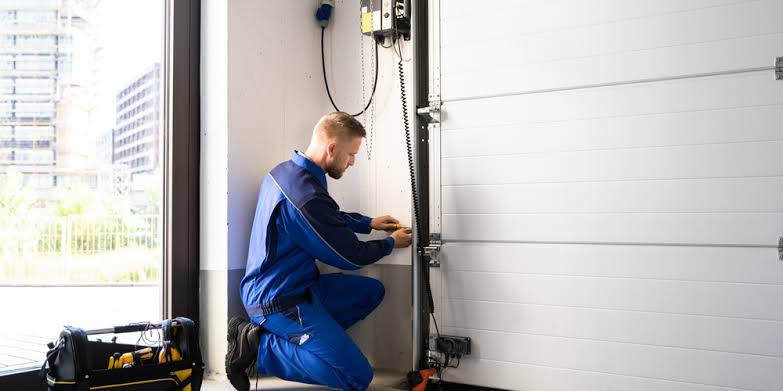
Is your garage door making strange noises or refusing to open smoothly? A worn or broken cable might be the culprit, leaving you stranded and frustrated. Learning how to replace the cable on a garage door can save you hundreds of dollars in professional repair fees while restoring safe, reliable operation to your home’s most-used entry point.
Garage door cables endure tremendous tension daily, lifting hundreds of pounds with every cycle. When these critical components fail, the entire system becomes unsafe and unusable. While many homeowners immediately call a professional, understanding the replacement process empowers you to make informed decisions—and potentially handle the repair yourself if you’re comfortable with basic mechanical work.
Understanding Garage Door Cables: Why They Matter
Before diving into the replacement process, it’s essential to understand what garage door cables do and why they’re so critical to your door’s operation.
What Are Garage Door Cables?
Garage door cables are steel wires that connect the bottom corners of your garage door to the torsion spring system above. These cables work in tandem with springs to counterbalance the door’s weight, making it easy to lift manually or with an automatic opener. Most residential garage doors use two cables—one on each side—that must remain properly tensioned and aligned for safe operation.
According to the International Door Association, garage door systems perform over 1,500 cycles annually in average households, placing significant stress on cables and other components. This frequent use explains why cables eventually wear out, fray, or snap entirely.
Signs Your Garage Door Cable Needs Replacement
Recognizing early warning signs can prevent dangerous failures and costly damage:
- Visible fraying or wear: Look for unraveling strands or thinning sections along the cable length
- Uneven door movement: One side rises faster or slower than the other
- Loud snapping sounds: Indicates a cable has already broken
- Door won’t stay open: The door falls when released mid-way
- Visible gaps or slack: Cables appear loose or disconnected from drums
If you notice any of these symptoms, address them immediately. A broken cable can cause the door to crash down unexpectedly, creating serious safety hazards.
Safety First: Critical Precautions Before You Begin
Warning: Garage door springs store enormous energy—enough to cause severe injury or death if handled improperly. If you’re uncomfortable working with high-tension systems, hire a licensed professional.
Essential Safety Equipment
Before starting, gather these safety items:
- Safety glasses: Protect eyes from snapping cables or debris
- Heavy-duty work gloves: Prevent cuts from sharp cable ends
- Steel-toed boots: Shield feet from falling components
- Clamping pliers (vise grips): Secure cables during work
- Stepladder: Provide stable access to upper components
Never Attempt These Tasks Alone
- Replacing torsion springs (always hire professionals)
- Working on doors without proper support braces
- Adjusting cables while the door is under full tension
For detailed safety standards, refer to the Consumer Product Safety Commission’s garage door guidelines.
Tools and Materials You’ll Need
Having the right tools ready before starting ensures a smooth, efficient repair process.
| Tool/Material | Purpose | Recommended Specification |
|---|---|---|
| Socket wrench set | Removing bolts and brackets | Standard metric/imperial set |
| Adjustable wrench | Loosening cable clamps | 10–12 inch adjustable |
| Pliers | Gripping and cutting cables | Needle-nose and locking pliers |
| Wire cutters | Cutting old cable cleanly | Heavy-duty cable cutters |
| New garage door cable | Replacement component | Match exact length and diameter |
| Lubricant | Reducing friction on pulleys | Silicone-based garage door lubricant |
| Measuring tape | Ensuring proper cable length | 25-foot retractable tape |
Pro Tip: Take photos of your existing cable setup before removal. This visual reference proves invaluable during reassembly, especially for first-time DIYers.
Step-by-Step Guide: How to Replace the Cable on a Garage Door
Follow these detailed instructions carefully. Allow 2–3 hours for completion if you’re working alone.
Step 1: Disconnect Power and Secure the Door
Unplug your garage door opener to prevent accidental activation. Close the door completely and engage manual lock mechanisms if available. Place C-clamps on the track below the bottom rollers to prevent the door from moving unexpectedly.
Step 2: Release Tension from the Spring System
This is the most dangerous step. If your door uses extension springs (located along the horizontal tracks), carefully disconnect the safety containment cables first. For torsion springs (mounted above the door), you’ll need winding bars to slowly release tension—consider hiring a professional for this specific task.
Step 3: Remove the Old Cable
Locate where the cable attaches to the bottom bracket on your garage door. Use pliers to loosen the set screw or bolt securing the cable end. Carefully unwind the cable from the drum at the top of the door, noting how many wraps exist around the drum cylinder.
Cut the old cable using wire cutters, leaving enough length to examine the attachment points. Inspect the drum, pulleys, and brackets for wear or damage while the cable is removed.
Step 4: Install the New Cable
Thread the new cable through the pulley system exactly as the old one was routed. Wrap the cable around the drum the same number of times as the original—typically 3–4 complete wraps. Ensure the cable sits evenly in the drum grooves without overlapping.
Attach the cable end to the bottom bracket, pulling it taut but not overly tight. Secure the connection using the original hardware or replacement bolts if corrosion is present.
Step 5: Restore Tension and Test
Slowly restore tension to the spring system using proper tools. Once tension is restored, remove the C-clamps securing the door. Manually lift the door halfway and release it—it should stay in place if balanced correctly.
Reconnect the garage door opener and test several complete cycles. Listen for unusual noises and watch for smooth, even movement on both sides.
Common Mistakes to Avoid
Even experienced DIYers make errors when replacing garage door cables. Avoid these pitfalls:
- Incorrect cable length: Measure twice before cutting; too-short cables create excessive tension
- Wrong wrap count: Improper drum wrapping causes uneven lifting and premature wear
- Skipping lubrication: Dry pulleys accelerate cable deterioration
- Ignoring bracket inspection: Damaged brackets compromise the entire system
- Rushing tension adjustment: Gradual adjustments prevent sudden failures
When to Call a Professional
While many homeowners successfully replace garage door cables, certain situations warrant professional assistance:
- Torsion spring systems requiring specialized winding tools
- Doors weighing over 350 pounds
- Multiple component failures (cables, springs, and rollers simultaneously)
- Lack of confidence working with high-tension systems
Professional garage door technicians typically charge $150–$300 for cable replacement, including labor and materials. While DIY saves money, prioritize safety over cost savings.
FAQ Section
How long do garage door cables typically last?
Most garage door cables last 7–10 years with regular use. However, harsh weather conditions, lack of maintenance, or heavy daily usage can shorten this lifespan. Annual inspections help identify wear before catastrophic failure occurs.
Can I replace just one cable, or should I replace both?
Always replace both cables simultaneously, even if only one appears damaged. Cables experience equal stress and wear at similar rates. Replacing only one creates imbalance and increases the likelihood of the second cable failing shortly afterward.
What type of cable should I buy for my garage door?
Purchase cables matching your door’s specifications exactly. Check the manufacturer’s label inside the door panel or measure the old cable’s diameter (common sizes: 1/8-inch or 3/16-inch) and length. Stainless steel cables offer superior corrosion resistance compared to galvanized alternatives.
How much does it cost to replace garage door cables professionally?
Professional cable replacement costs between $150 and $300, depending on your location, door type, and whether additional repairs are needed. This price typically includes labor, materials, and a safety inspection of related components.
Is it dangerous to replace garage door cables myself?
Yes, there are significant risks involved, particularly when dealing with tensioned springs. Extension spring systems are somewhat safer for DIY work, but torsion spring systems require specialized knowledge and tools. If you’re uncertain about any step, hire a licensed technician.
How often should I inspect my garage door cables?
Inspect cables monthly for visible wear, fraying, or corrosion. Perform a more thorough examination every six months, checking pulleys, drums, and attachment points. Annual professional maintenance visits provide comprehensive assessments beyond visual inspections.
Conclusion
Learning how to replace the cable on a garage door empowers you to maintain your home’s safety and functionality while saving money on professional repairs. By following proper safety protocols, using quality materials, and working methodically through each step, you can successfully complete this common maintenance task.
Remember: safety always comes first. If any part of the process feels beyond your comfort level, don’t hesitate to call a professional. Your family’s safety is worth far more than the cost of expert service.
Did this guide help you tackle your garage door cable replacement? Share this article with friends and neighbors who might benefit from these practical tips. Together, we can keep our homes safe and our garage doors running smoothly for years to come!
Leave a Reply