Working on a garage door can feel intimidating—especially when springs are involved. If you’re searching How To Release The Tension On A Garage Door Spring, you’re likely trying to fix or replace a component safely. This guide will walk you through the process while emphasizing safety at every step.
⚠️ Important Safety Warning Before You Start
Garage door springs are under extreme tension and can cause serious injury if handled incorrectly.
👉 If you are unsure at any point, stop and call a professional.
Read too: Tc1 Tricode Garage Door Opener Remote W/ Clip Chamberlain: Complete Guide
How To Release The Tension On A Garage Door Spring (Step-by-Step)
This guide focuses on torsion springs, which are the most common and most dangerous type.
Step 1: Gather the Right Tools
You will need:
- Two winding bars (solid steel, 18–24 inches)
- Adjustable wrench
- Locking pliers
- Safety gloves and goggles
- Ladder (stable, 6–8 feet)
⚠️ Never use screwdrivers instead of winding bars.
Step 2: Disconnect the Garage Door Opener
- Unplug the opener
- Pull the emergency release cord
This ensures the door is fully manual.
Step 3: Secure the Door in Place
- Close the garage door completely
- Clamp locking pliers on the track
✔️ Prevents the door from lifting unexpectedly.
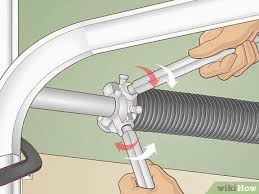
Step 4: Insert the First Winding Bar
- Locate the winding cone on the spring
- Insert the winding bar fully into the hole
👉 Ensure it is firmly seated.
Step 5: Loosen the Set Screws
- Use a wrench to loosen the screws
- Hold the winding bar tightly
⚠️ The spring will try to rotate—be prepared.
Step 6: Begin Releasing Tension
- Slowly lower the winding bar
- Insert the second bar into the next hole
- Repeat the process
👉 Each movement releases about ¼ turn of tension
Step 7: Continue Until Fully Released
- Repeat until no tension remains
- The spring should feel loose
Step 8: Remove Hardware Safely
- Once tension is gone
- You can safely remove or replace the spring
What Is Garage Door Spring Tension?
Spring tension counterbalances the weight of the door, making it easy to lift.
Key Facts:
- Doors can weigh 150–300 lbs
- Springs store mechanical energy
- Improper release can cause sudden force
For more technical insight, visit:
https://en.wikipedia.org/wiki/Garage_door
Types of Garage Door Springs
Comparison Table
| Type | Location | Risk Level | Ease of Release |
|---|---|---|---|
| Torsion spring | Above door | High | Difficult |
| Extension spring | Side tracks | Medium | Easier |
👉 This guide focuses mainly on torsion springs due to higher risk.
Can You Release Spring Tension Yourself?
Yes—but only if you have:
- Proper tools
- Mechanical experience
- Full understanding of risks
When NOT to DIY:
- No winding bars available
- Spring is damaged or cracked
- You feel unsure
Common Mistakes to Avoid
- Using incorrect tools
- Standing directly in front of the spring
- Releasing tension too quickly
- Skipping safety gear
- Working alone
How Long Does It Take?
| Experience Level | Time |
|---|---|
| Professional | 30–60 minutes |
| DIY Intermediate | 1–2 hours |
| Beginner | 2–3 hours |
Signs You Need to Release Spring Tension
- Replacing springs
- Adjusting door balance
- Repairing cables or drums
- Fixing uneven door movement
Safety Checklist Before Starting
- Wear gloves and eye protection
- Ensure ladder stability
- Keep children away
- Use correct tools only
- Work slowly and carefully
Pros vs Cons of DIY Spring Work
Pros:
- Saves $150–$300
- Immediate repair
- Learning experience
Cons:
- High injury risk
- Requires precision
- Mistakes can damage system
Real-Life Example
A homeowner attempted to replace a torsion spring without proper tools:
Outcome:
- Stripped screws
- Bent shaft
- Ended up paying double for repair
👉 Lesson: Proper tools and patience are critical.
Cost Comparison
| Service | Cost |
|---|---|
| DIY tools | $25 – $75 |
| Professional service | $150 – $400 |
Troubleshooting Guide
| Problem | Cause | Solution |
|---|---|---|
| Spring won’t loosen | Tight set screws | Use proper wrench |
| Bar slipping | Wrong tool | Use winding bars |
| Door moves suddenly | Not secured | Clamp track |
| Uneven tension | Inconsistent turns | Count rotations |
FAQ Section
Q1: How to release the tension on a garage door spring safely?
A: Use proper winding bars, secure the door, and release tension slowly in controlled steps.
Q2: Can I use a screwdriver instead of winding bars?
A: No. This is extremely dangerous and can lead to serious injury.
Q3: How many turns does it take to release tension?
A: Typically 7–10 full turns depending on the spring.
Q4: Is it dangerous to release garage door spring tension?
A: Yes, torsion springs store high energy and must be handled carefully.
Q5: Should I hire a professional instead?
A: If you’re inexperienced or lack tools, hiring a pro is the safest option.
Q6: What happens if tension is released too quickly?
A: The spring can snap or cause sudden movement, leading to injury.
Conclusion
Understanding How To Release The Tension On A Garage Door Spring is essential for safe garage door maintenance. While it’s possible to do it yourself, it requires careful attention, proper tools, and strict safety precautions.
If done correctly, you can save money and complete repairs efficiently. However, never compromise safety—when in doubt, call a professional.
If this guide helped you, share it with others who want to handle garage repairs safely and confidently! 🚪🔧
Leave a Reply