Introduction
There is nothing quite as panic-inducing as realizing your automatic garage door won’t budge because the emergency release was accidentally triggered. If you are currently standing in your driveway searching for how to reconnect garage door opener after pulling red cord, take a deep breath; this is one of the most common and easily fixable mechanical issues homeowners face. Whether caused by a power outage, a curious child, or an accidental tug during cleaning, re-engaging your system is a straightforward process that restores both convenience and security to your home.
Understanding the Emergency Release Mechanism
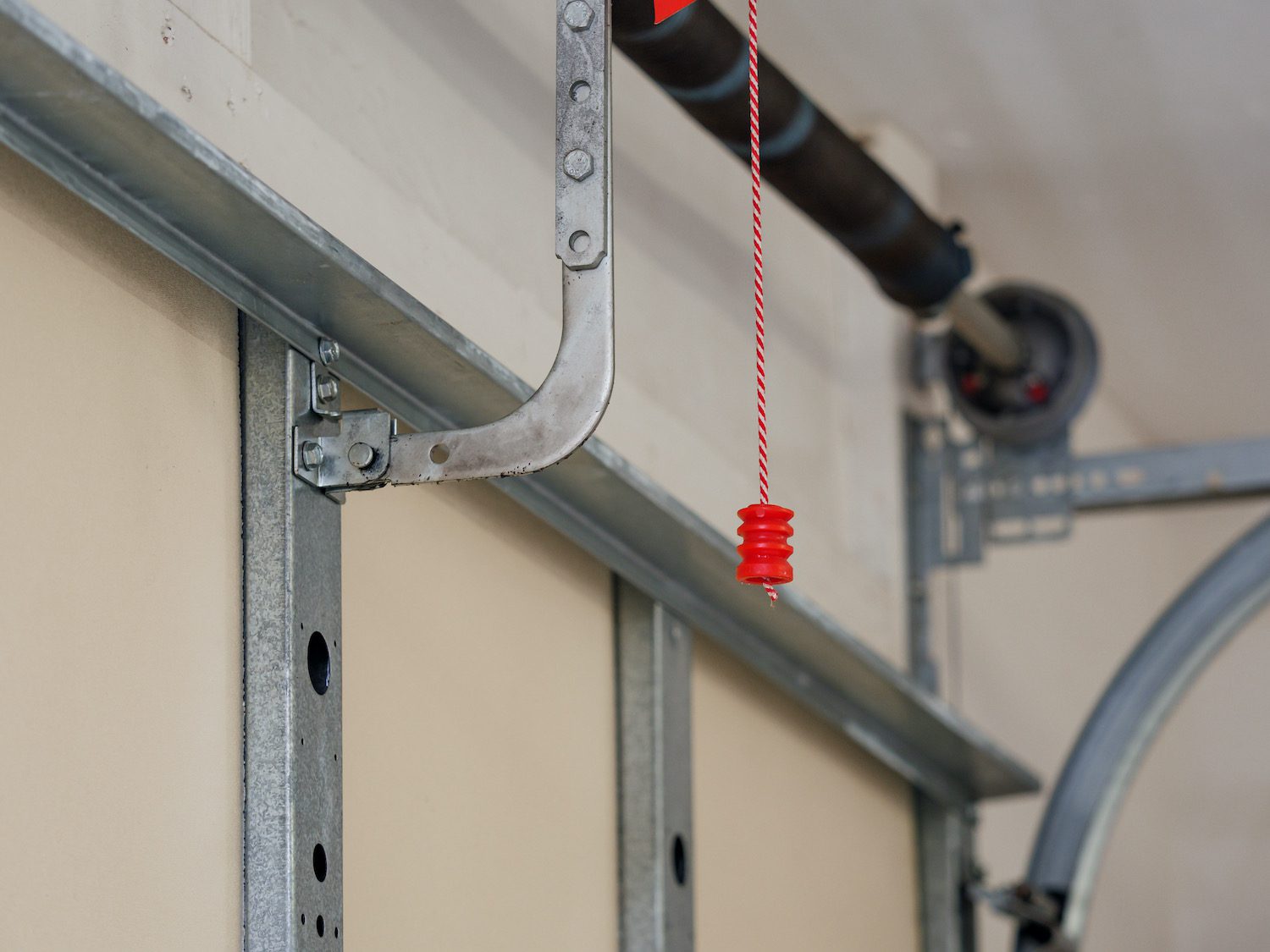
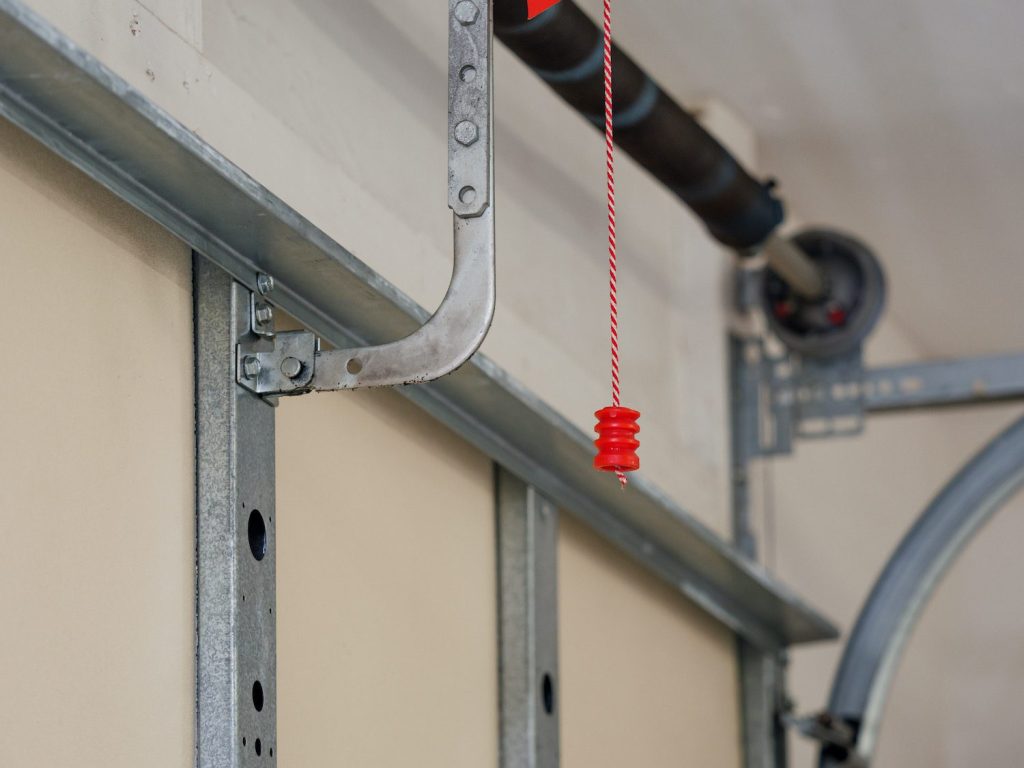
Before diving into the reconnection process, it is vital to understand what actually happened when that red handle was pulled. The red cord hangs from the trolley carriage on your garage door opener rail. Its sole purpose is to disengage the trolley from the drive mechanism (chain, belt, or screw), allowing you to operate the door manually during emergencies like power failures or motor malfunctions.
According to technical documentation referenced on Wikipedia, modern residential openers utilize a spring-loaded latch system within the trolley assembly. When you pull the cord, this latch releases, physically separating the door’s movement from the motorized drive. Reconnecting simply means sliding that latch back into its locked position so the motor can once again bear the load of lifting the door. Understanding this mechanical relationship prevents users from forcing components or misdiagnosing electrical failures when the issue is purely mechanical.
Safety First: Critical Pre-Reconnection Checks
Never attempt to reconnect the trolley while the door is under tension or in motion. Garage doors weigh between 150 and 400 pounds, and the springs store immense kinetic energy. Before touching the red cord or trolley:
- Ensure the door is fully closed: The trolley aligns with the carriage only when the door is in the down position. Attempting to reconnect while the door is open can cause the trolley to snap violently or damage the rail.
- Disconnect power (optional but recommended): While not strictly necessary for mechanical re-engagement, unplugging the opener eliminates the risk of accidental activation while your hands are near moving parts.
- Inspect the cord and latch: Look for fraying, rust, or bent metal. A damaged emergency release mechanism will fail again and requires professional replacement.
- Clear the area: Ensure no people, pets, or objects are beneath the door path.
Expert Note: According to the U.S. Consumer Product Safety Commission (CPSC), approximately 30,000 garage door-related injuries occur annually in the United States. Always treat the emergency release system with respect and never bypass safety sensors to force reconnection.
Step-by-Step: How To Reconnect Garage Door Opener After Pulling Red Cord
Follow these precise steps to safely re-engage your opener. This process applies to most major brands including Chamberlain, LiftMaster, Genie, and Craftsman chain-drive and belt-drive systems.
Step 1: Lower the Door Completely
Use manual force to gently lower the door until it sits flush against the floor. The trolley must be in the “down” position to align with the carriage attachment point. If the door feels excessively heavy or sticks, stop immediately—this indicates a spring or track issue unrelated to the red cord.
Step 2: Locate the Trolley Latch
Find the trolley on the opener rail. You will see the red cord hanging from a lever or latch mechanism. On most models, this latch has two distinct positions:
- Disengaged (pulled/down): The latch is extended away from the carriage.
- Engaged (pushed/up/toward motor): The latch is seated against the carriage.
Step 3: Manually Slide the Latch Back
Grasp the red cord handle firmly. Push the latch toward the motor unit (or upward, depending on model orientation) until you hear or feel a definitive click. This click confirms the internal spring has re-seated the locking pawl into the carriage slot.
Do not yank the cord. Use steady, controlled pressure. Excessive force can bend the latch arm or break the plastic housing.
Step 4: Verify Mechanical Engagement
With the latch clicked into place, gently try to move the door manually by lifting the bottom panel about 6 inches. The trolley should move with the door along the rail. If the door lifts but the trolley stays stationary, the latch did not fully engage. Repeat Step 3 with slightly more deliberate pressure.
Step 5: Restore Power and Test
Plug the opener back in (if disconnected). Press the wall button or remote. Observe the first cycle carefully:
- The motor should activate smoothly without grinding or slipping sounds.
- The door should lift evenly without jerking.
- The opener should complete a full open-close cycle without reversing unexpectedly.
If the door operates normally, congratulations—you have successfully learned how to reconnect garage door opener after pulling red cord.
Troubleshooting: When Reconnection Fails
Even after following the steps above, some homeowners encounter persistent issues. Use this diagnostic table to identify the root cause:
| Symptom | Likely Cause | Solution |
|---|---|---|
| Latch won’t click into place | Bent latch arm or debris in carriage slot | Inspect for damage; clean rail with dry cloth; replace latch if bent |
| Door lifts but trolley slips | Worn carriage teeth or stripped trolley | Professional inspection required; internal gear wear |
| Motor runs but door doesn’t move | Coupling disconnected or broken gear | Check motor-to-trolley coupling; consult manufacturer manual |
| Door reverses immediately after reconnect | Safety sensor misalignment or travel limit reset needed | Realign photo-eye sensors; reprogram open/close limits per manual |
| Red cord feels loose/no resistance | Broken internal spring in trolley assembly | Replace entire trolley unit; do not operate opener until fixed |
When to Call a Professional: If the trolley shows visible cracks, the rail is bent, or the door exhibits uneven movement after reconnection, cease DIY efforts. These indicate structural or spring-related hazards that require certified technician intervention.
Preventive Maintenance to Avoid Future Disconnections
Reconnecting is simple, but prevention is better. Incorporate these habits into your quarterly home maintenance routine:
- Secure the red cord: Tie it up with a zip tie or cord clip so it hangs at least 6 feet above the floor, out of reach of children and accidental bumps. Never remove the cord entirely—it is a critical safety device.
- Lubricate the trolley track: Apply white lithium grease to the rail every 6 months to prevent binding that can stress the latch mechanism.
- Test the emergency release biannually: Intentionally pull and reconnect the cord twice yearly to ensure the mechanism functions smoothly and hasn’t seized from disuse.
- Check travel limits annually: Misaligned limit switches can cause the opener to over-travel, putting undue stress on the trolley latch and increasing accidental disengagement risk.
Frequently Asked Questions (FAQ)
Q1: Can I reconnect the garage door opener while the door is open?
No. The trolley carriage alignment only occurs when the door is fully closed. Attempting reconnection with the door open can damage the latch, rail, or cause the door to fall unexpectedly. Always lower the door completely before re-engaging.
Q2: Why does my red cord keep getting pulled accidentally?
Common causes include cords hanging too low, storage items brushing against it, or children playing nearby. Secure the cord higher using a non-permanent clip, and educate household members about its emergency-only function. Consider installing a protective cover if accidental pulls persist.
Q3: Will reconnecting the red cord reset my opener’s programming?
Generally, no. Mechanical re-engagement does not affect electronic settings like remote codes, keypad PINs, or Wi-Fi connectivity. However, if the door was operated extensively while disconnected, you may need to reprogram the open/close travel limits to account for any positional drift.
Q4: Is it safe to operate the opener if the red cord is broken?
No. A broken emergency release cord means you cannot manually open the door during a power outage or motor failure—a serious safety hazard. Replace the cord or entire trolley assembly before continued use. Replacement parts are available through authorized dealers and typically cost $15–$40.
Q5: How often should I test the emergency release mechanism?
The International Door Association recommends testing the emergency release and auto-reverse safety features every six months. Regular testing ensures the latch moves freely and hasn’t corroded or seized, which could prevent operation during an actual emergency.
Q6: My opener makes a grinding noise after reconnection—is this normal?
A brief clicking sound during re-engagement is normal. Persistent grinding, screeching, or metal-on-metal noise afterward indicates misalignment, worn gears, or incomplete latch seating. Stop using the opener immediately and consult a professional to prevent further damage or safety risks.
Conclusion
Mastering how to reconnect garage door opener after pulling red cord empowers you to handle one of the most frequent garage door disruptions confidently and safely. By understanding the mechanics, following precise re-engagement steps, and maintaining your system proactively, you protect both your property and your peace of mind. Remember: when in doubt, prioritize safety over speed, and never hesitate to call a certified technician for complex issues.
Found this guide helpful? Share it with friends, family, or neighbors who might face the same frustrating situation! Tag us on social media or pin this article for future reference—your share could save someone hours of confusion and a costly service call. Stay safe, stay informed, and keep your garage running smoothly! 🏠🔧
Leave a Reply