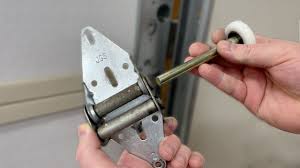
Is your garage door stuck, making grinding noises, or hanging unevenly? You’re not alone—thousands of homeowners face this frustrating issue every year. Learning how to put garage door wheel back on track can save you hundreds of dollars in service fees and get your daily routine back on schedule within minutes.
A derailed garage door isn’t just inconvenient; it’s a potential safety hazard. The good news? Most derailments are simple mechanical issues that don’t require professional intervention if caught early. In this comprehensive guide, we’ll walk you through the exact steps to safely realign your garage door wheels, identify warning signs before they become major problems, and maintain your system for long-term reliability.
Why Do Garage Door Wheels Come Off Track?
Before diving into the repair process, understanding why derailments happen helps prevent future occurrences. Garage doors operate under significant tension and weight—typically between 150-400 pounds depending on size and material. When components wear down or external factors interfere, the rollers can slip from their designated tracks.
Common Causes of Derailed Garage Doors
| Cause | Frequency | Prevention Tip |
|---|---|---|
| Loose hardware (bolts/brackets) | 45% of cases | Tighten monthly |
| Damaged or worn rollers | 30% of cases | Inspect quarterly |
| Obstructed tracks (debris/dirt) | 15% of cases | Clean bi-weekly |
| Bent tracks from impact | 7% of cases | Install protective barriers |
| Broken cables or springs | 3% of cases | Professional inspection yearly |
According to the International Door Association, improper maintenance accounts for nearly 60% of all garage door malfunctions. Regular visual inspections take less than five minutes but can prevent costly emergency repairs.
The tracks themselves are precision-engineered steel channels that guide the door’s movement. Even minor misalignment—just 1/8 inch off center—can cause wheels to jump track during operation. Temperature fluctuations, humidity changes, and normal wear all contribute to gradual misalignment over time.
Safety First: Essential Precautions Before Starting
Never attempt garage door repairs without proper safety measures. Garage doors contain high-tension springs that store enough energy to cause serious injury if released unexpectedly. According to the Consumer Product Safety Commission, garage door-related injuries send approximately 20,000 people to emergency rooms annually in the United States.
Critical Safety Checklist
- Disconnect the opener: Unplug the automatic garage door opener or pull the emergency release cord to disengage the motor.
- Secure the door: Use locking pliers or C-clamps on the track below the bottom roller to prevent accidental dropping.
- Wear protective gear: Safety glasses, work gloves, and closed-toe shoes are mandatory.
- Work with a partner: Having someone assist provides stability and an extra set of eyes for safety.
- Check spring condition: If torsion springs appear damaged, stretched, or broken, stop immediately and call a professional. Spring replacement requires specialized tools and training.
If your door uses extension springs (located on both sides of the horizontal track), exercise extreme caution. These springs stretch significantly during operation and can snap violently if compromised.
Tools and Materials You’ll Need
Gathering the right equipment before starting ensures a smooth repair process. Here’s what you’ll need:
- Adjustable wrench or socket set (typically 9/16″ or 1/2″)
- Rubber mallet or hammer with wood block
- Level (2-foot minimum)
- Pliers (locking and standard)
- Silicone-based lubricant spray
- Clean rags
- Step ladder (stable, rated for your weight)
- Flashlight or work light
- Replacement rollers (if current ones are damaged)
Having these items ready prevents mid-repair trips to the hardware store and keeps your workspace organized.
Step-by-Step Guide: How To Put Garage Door Wheel Back On Track
Follow these detailed instructions carefully. If at any point you feel uncertain or encounter resistance beyond gentle pressure, stop and consult a professional.
Step 1: Assess the Damage
Examine both sides of the garage door to determine which wheels have derailed. Look for:
- Rollers sitting outside the track channel
- Visible gaps between roller and track
- Bent or twisted track sections
- Damaged roller brackets
Take photos with your phone for reference. This documentation helps if you need professional assistance later.
Step 2: Loosen the Track Bolts
Using your wrench, slightly loosen the bolts securing the vertical track to the wall brackets. Do not remove them completely—just loosen enough to allow minor adjustment (approximately 2-3 turns). This creates flexibility for realignment.
Focus on the section where the wheel derailed. Typically, this involves bolts located 12-18 inches above and below the problem area.
Step 3: Lift and Reposition the Door
With your helper’s assistance, gently lift the garage door until the derailed wheel aligns with the track opening. Use slow, controlled movements. The door should move smoothly—if it binds or feels excessively heavy, reassess for additional obstructions.
For single-wheel derailments, you may only need to lift one side. For multiple wheels or complete derailment, lift the entire door evenly.
Step 4: Guide the Wheel Into the Track
Carefully maneuver the roller back into the track channel. The wheel should slide in with minimal resistance. If it doesn’t fit easily:
- Check for debris inside the track
- Verify the track isn’t bent
- Ensure the roller bracket isn’t twisted
Use the rubber mallet to gently tap the roller into place if needed. Never force it—excessive pressure indicates an underlying alignment issue.
Step 5: Realign the Track
Once the wheel is seated properly, use your level to check track alignment. Place the level vertically against the track—it should read perfectly plumb (0° deviation). Adjust as necessary by:
- Tapping the track lightly with the mallet
- Tightening or loosening specific bolts
- Adding shims behind brackets if gaps exist
Horizontal tracks should maintain consistent spacing parallel to each other throughout their length.
Step 6: Secure All Hardware
Tighten all previously loosened bolts firmly. Check every bracket, hinge, and roller attachment point on both sides of the door. Pay special attention to:
- Roller brackets (where wheels attach to door panels)
- Track mounting brackets
- Hinge connections between door sections
Use the “snug plus quarter-turn” method: tighten until resistance increases, then add one-quarter turn more. Over-tightening can strip threads or warp components.
Step 7: Test Operation Manually
Before reconnecting the opener, test the door manually:
- Remove any clamps or locking devices
- Lift the door halfway—it should stay in position without support
- Lower it slowly, checking for smooth movement
- Listen for grinding, scraping, or clicking sounds
- Verify both sides move evenly
If the door sticks, binds, or makes unusual noises, recheck alignment and roller condition.
Step 8: Lubricate and Final Check
Apply silicone-based lubricant to:
- All roller bearings
- Track interior surfaces (lightly)
- Hinge pivot points
- Spring coils (if accessible)
Avoid petroleum-based products—they attract dust and gum up over time. Wipe away excess lubricant with a clean rag.
Reconnect the garage door opener and test automatic operation. Observe the first few cycles carefully to ensure smooth, quiet performance.
When to Call a Professional
While many derailments are DIY-friendly, certain situations require expert intervention:
- Broken or damaged springs: High-tension components demand specialized training
- Severely bent tracks: May require complete replacement
- Repeated derailments: Indicates underlying structural issues
- Cable damage: Frayed or snapped cables pose immediate safety risks
- Electric opener malfunction: Motor or sensor issues need technical diagnosis
The average cost for professional garage door repair ranges from $150-$350, while complete track replacement runs $200-$500. Preventive maintenance costs significantly less than emergency repairs.
FAQ: Common Questions About Garage Door Wheel Repair
Q: How often should I inspect my garage door tracks?
A: Perform visual inspections monthly and thorough maintenance checks quarterly. Look for loose bolts, debris accumulation, rust spots, and roller wear. Annual professional inspections catch issues invisible to untrained eyes.
Q: Can I use WD-40 to lubricate my garage door?
A: No. WD-40 is a solvent and water displacer, not a true lubricant. It evaporates quickly and attracts dirt. Use silicone-based or lithium grease specifically formulated for garage doors. These products last longer and provide superior protection against wear.
Q: My garage door keeps coming off track. What’s wrong?
A: Recurring derailments typically indicate: severely worn rollers requiring replacement, permanently bent tracks needing straightening or replacement, loose structural brackets, or improper initial installation. Address the root cause rather than repeatedly fixing symptoms.
Q: How long does it take to put a garage door wheel back on track?
A: For experienced DIYers, the process takes 20-40 minutes. First-timers should budget 45-60 minutes to work carefully and safely. Complex cases involving multiple derailed wheels or track damage may require 2+ hours.
Q: Is it dangerous to fix a derailed garage door myself?
A: Moderate risk exists if proper precautions aren’t followed. The primary dangers come from high-tension springs and the door’s weight. By disconnecting power, securing the door, wearing protective gear, and avoiding spring work, most homeowners can safely handle simple roller realignment. When in doubt, hire a professional.
Q: What’s the difference between nylon and steel rollers?
A: Nylon rollers operate more quietly and resist corrosion but wear faster under heavy use. Steel rollers last longer and handle heavier doors but generate more noise. Many modern systems use hybrid designs with steel cores and nylon outer wheels for optimal balance. Replace all rollers simultaneously for even wear patterns.
Conclusion: Keep Your Garage Door Running Smoothly
Learning how to put garage door wheel back on track empowers you to handle common household emergencies confidently and economically. With proper tools, safety precautions, and methodical execution, most derailments resolve in under an hour.
Remember these key takeaways:
- Prevention beats repair: Monthly inspections catch problems early
- Safety first always: Never compromise on protective measures
- Quality matters: Invest in good rollers and proper lubricants
- Know your limits: Call professionals for spring work or complex issues
Regular maintenance extends your garage door’s lifespan from the average 15 years to 20+ years. A smoothly operating door enhances home security, convenience, and property value.
Found this guide helpful? Share it with friends and neighbors who might benefit from these money-saving tips. Bookmark this page for future reference, and consider subscribing for more practical home maintenance advice. Your garage door—and your wallet—will thank you!
Have questions or success stories? Drop a comment below. We love hearing from our community of DIY enthusiasts!
Leave a Reply