Garage doors are often the weakest point in home security, yet they provide easy access to your most valuable possessions. If you’re wondering how to put a lock on a garage door, you’re taking an important step toward protecting your home from break-ins and unauthorized entry. This comprehensive guide will walk you through everything you need to know about securing your garage door effectively.
Why Do You Need a Garage Door Lock?
Before diving into the installation process, it’s crucial to understand why additional locking mechanisms matter. According to the FBI’s Uniform Crime Reporting Program, property crimes account for approximately 85% of all criminal offenses in the United States. Garages are particularly vulnerable because they often contain expensive tools, vehicles, and serve as entry points to the main house.
The standard automatic garage door opener provides convenience but limited security. Most modern openers use rolling code technology, which is relatively secure against casual thieves. However, determined criminals can bypass these systems using various techniques, including code grabbing devices or manual override methods. Adding a physical lock creates an additional barrier that significantly increases the time and effort required for unauthorized entry.
Types of Garage Door Locks: Which One Should You Choose?
Understanding your options is essential before learning how to put a lock on a garage door. Here’s a comparison of the most common types:
| Lock Type | Security Level | Installation Difficulty | Cost Range | Best For |
|---|---|---|---|---|
| T-Handle Lock | Medium | Easy | $15-$40 | Manual garage doors |
| Side Bolt Lock | High | Moderate | $25-$60 | Added security layer |
| Padlock Hasp | Medium-High | Easy | $20-$50 | Temporary or rental properties |
| Electronic Keypad | High | Complex | $80-$200 | Tech-savvy homeowners |
| Floor Lock | Very High | Difficult | $40-$100 | Maximum security needs |
T-Handle Locks
These are the most common aftermarket locks for garage doors. They work by inserting a T-shaped handle through a hole in the door and rotating it to engage a bolt mechanism inside the track. They’re affordable, easy to install, and provide decent security for most residential applications.
Side Bolt Locks
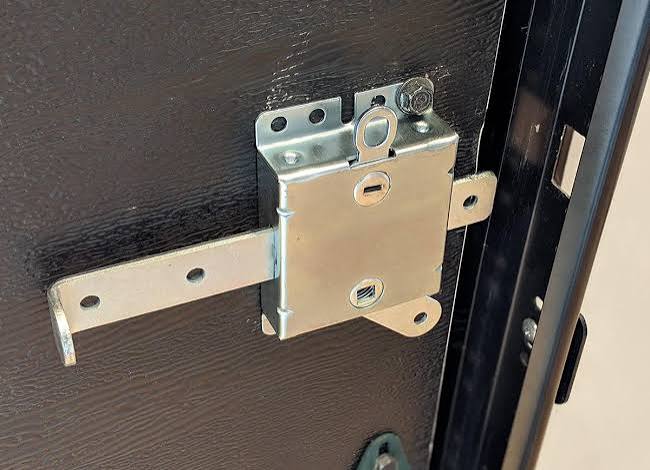
Side bolt locks mount on the interior side of the garage door and extend bolts into the wall or floor when engaged. They offer superior security because they’re harder to tamper with from outside. However, they require more precise installation and may interfere with automatic door operation if not properly positioned.
Padlock Hasps
A padlock hasp system involves mounting a hasp plate on the door and frame, then securing them together with a heavy-duty padlock. This solution is versatile and doesn’t require modifying the door structure significantly. It’s ideal for renters or those who want a non-permanent solution.
For more information on garage door security standards, you can reference Wikipedia’s article on garage doors, which provides historical context and technical specifications.
Tools and Materials You’ll Need
Before starting your installation, gather these essential items:
- Power drill with appropriate bits (typically 1/4″ and 3/8″)
- Screwdriver set (both Phillips and flathead)
- Measuring tape for precise placement
- Level to ensure proper alignment
- Pencil or marker for marking drill holes
- Safety glasses to protect your eyes
- Work gloves for hand protection
- The lock kit of your choice
- Lubricant (silicone-based recommended)
Having the right tools ready will make the installation process smoother and help prevent mistakes that could compromise security.
Step-by-Step Guide: How To Put A Lock On A Garage Door
Follow these detailed instructions to install a standard T-handle lock, the most popular choice for residential garage doors.
Step 1: Choose the Right Location
Select a position on your garage door that’s easily accessible from inside but difficult to reach from outside. The ideal height is between 48 and 60 inches from the ground. This positioning allows comfortable access while keeping the lock out of reach for someone trying to manipulate it through windows or gaps.
Mark your chosen location with a pencil, ensuring it’s centered horizontally on the door panel. Use your level to verify the mark is straight.
Step 2: Prepare the Door
If your garage door has insulation or multiple layers, you’ll need to account for the total thickness when selecting your lock. Measure the door thickness at your marked location. Most T-handle locks accommodate doors between 1.5 and 2 inches thick.
Clean the area around your mark to remove dirt, grease, or debris that could interfere with installation.
Step 3: Drill the Hole
Using your power drill with a bit size specified by your lock manufacturer (usually 1/4″ or 3/8″), drill a hole through the door at your marked location. Apply steady pressure and keep the drill perpendicular to the door surface to ensure a clean, straight hole.
Pro tip: Place a piece of masking tape over the drilling area to prevent the drill bit from slipping and to reduce splintering on wooden doors.
Step 4: Install the Lock Mechanism
Insert the T-handle through the hole from the outside. On the interior side, attach the locking mechanism according to the manufacturer’s instructions. This typically involves sliding a washer and nut onto the threaded shaft, then tightening securely with a wrench.
Ensure the handle rotates freely and engages the locking bolt properly. Test the mechanism several times before finalizing the installation.
Step 5: Test and Adjust
Open and close your garage door several times to ensure the lock doesn’t interfere with normal operation. When locked, the door should remain stationary and resist pulling or pushing forces.
Apply a small amount of silicone lubricant to moving parts to ensure smooth operation and prevent rust or corrosion.
Common Mistakes to Avoid
When learning how to put a lock on a garage door, many homeowners make these critical errors:
- Installing too low: Locks positioned below 36 inches are easily reachable by intruders
- Poor hole alignment: Misaligned holes cause binding and premature wear
- Overtightening: Excessive force can strip threads or crack door panels
- Ignoring maintenance: Locks require periodic lubrication and inspection
- Choosing wrong lock type: Automatic doors need locks compatible with their operation
Maintaining Your Garage Door Lock
Regular maintenance ensures your lock remains effective and functional:
- Monthly inspection: Check for signs of wear, rust, or damage
- Quarterly lubrication: Apply silicone spray to moving parts
- Annual deep cleaning: Remove the lock and clean internal components
- Weather protection: Ensure seals around the lock are intact to prevent moisture intrusion
FAQ Section
Q: Can I install a garage door lock myself, or do I need a professional?
A: Most garage door locks are designed for DIY installation and require only basic tools and mechanical aptitude. T-handle locks and padlock hasps are particularly beginner-friendly. However, if you’re uncomfortable drilling into your door or if you have a complex automatic door system, consulting a professional is wise. Professional installation typically costs $75-$150 but ensures proper functionality and maintains warranty coverage.
Q: Will adding a lock void my garage door warranty?
A: This depends on your specific warranty terms. Many manufacturers allow aftermarket accessories as long as they don’t modify the door structure significantly or interfere with automatic operation. Always check your warranty documentation before installation. Non-invasive options like padlock hasps are less likely to affect warranty coverage than modifications requiring drilling.
Q: How secure are garage door locks against professional thieves?
A: While no lock is completely burglar-proof, quality garage door locks significantly increase security. A good lock adds 5-10 minutes to break-in time, which often deters criminals who prefer quick, easy targets. Combining a physical lock with other security measures—such as motion-sensor lighting, security cameras, and reinforced door tracks—creates layered defense that’s much more effective than any single solution.
Q: Can I use a garage door lock with an automatic opener?
A: Yes, but you must choose a compatible lock type. T-handle locks work well with automatic doors as long as they’re disengaged before operating the opener. Some homeowners install switches that automatically release the lock when the opener activates. Never operate an automatic door with a lock engaged, as this can damage the opener motor, door tracks, or the lock itself.
Q: What’s the best lock for a double garage door?
A: For double garage doors, consider installing locks on both doors or using a center-mounted lock that secures both panels simultaneously. Side bolt locks work particularly well for double doors because they can anchor into the wall between doors. Alternatively, install separate T-handle locks on each door panel, positioned symmetrically for balanced security and aesthetics.
Q: How often should I replace my garage door lock?
A: Quality garage door locks last 5-10 years with proper maintenance. Replace your lock immediately if you notice excessive wear, difficulty operating the mechanism, visible damage, or if you’ve lost keys. Also consider replacement after a break-in attempt, even if the lock wasn’t compromised, as the mechanism may have sustained hidden damage.
Conclusion
Learning how to put a lock on a garage door is one of the most cost-effective ways to enhance your home security. By choosing the right lock type, following proper installation procedures, and maintaining your lock regularly, you create a significant deterrent against break-ins while gaining peace of mind.
Remember that garage security works best as part of a comprehensive approach. Combine your new lock with good lighting, visible security cameras, and regular maintenance of your entire garage door system. Don’t forget to share this guide with friends and family who might benefit from improved garage security—simply click your favorite social media button below to spread the word!
Stay safe, stay secure, and enjoy the confidence that comes with knowing your garage is properly protected.
Leave a Reply