Introduction
Is your aluminum garage door looking tired, dented, or simply out of place against your home’s exterior? You are not alone; many homeowners struggle with the cold, industrial appearance of metal doors but dread the high cost of replacing them with real timber. Learning how to paint aluminum garage door to look like wood is the perfect solution to achieve that warm, luxurious aesthetic without breaking the bank. This guide will walk you through every step of this transformative DIY project, ensuring a durable, realistic finish that boosts your curb appeal instantly.
Can You Successfully Paint an Aluminum Garage Door to Resemble Wood?
Yes, absolutely. However, the success of this project relies entirely on preparation and technique rather than just the paint itself. Aluminum is a non-porous surface that oxidizes over time, creating a chalky layer that repels standard paints. According to industry standards from the Paint Quality Institute, proper cleaning and priming account for 80% of a successful exterior paint job on metal surfaces.
When executed correctly, a faux wood finish on aluminum can last 10–15 years. The key difference between a “painted door” and a “wood-look door” lies in the layering process. You aren’t just applying brown paint; you are creating depth through base coats, graining tools, and protective topcoats. Understanding the chemistry of Aluminium oxidation helps explain why skipping the etching primer stage will inevitably lead to peeling within months.
What Materials and Tools Do You Need for a Faux Wood Finish?
Before you pick up a brush, gather professional-grade materials. Using interior paints or cheap rollers is the most common reason DIY faux wood projects fail outdoors.
Essential Supply List
- Cleaner: Trisodium Phosphate (TSP) substitute or dedicated aluminum cleaner
- Primer: Self-etching primer specifically formulated for aluminum/galvanized metal
- Base Coat: High-quality 100% acrylic latex exterior paint (satin or eggshell sheen)
- Grain Coat: Darker acrylic paint or specialized wood graining glaze
- Topcoat: UV-resistant, water-based polyurethane (exterior grade)
- Tools: Synthetic bristle brushes, foam rollers, wood graining rocker tool, cheesecloth, painter’s tape, drop cloths
Budget vs. Professional Results Comparison
| Feature | Budget Approach | Professional/Recommended Approach | Longevity Impact |
|---|---|---|---|
| Primer | Standard latex primer | Self-etching aluminum primer | +5–7 years adhesion |
| Paint Type | Interior/Exterior hybrid | 100% Acrylic Exterior | Prevents chalking/fading |
| Graining Tool | Rag or sponge only | Rocker graining tool + rag | Realistic texture depth |
| Topcoat | None or interior varnish | UV-resistant exterior poly | Prevents yellowing/peeling |
| Prep Work | Water rinse only | TSP wash + light sanding | Eliminates oxidation barrier |
Step-by-Step: How To Paint Aluminum Garage Door To Look Like Wood
Follow these precise instructions to ensure your finish withstands weather cycles and looks authentic. Work in temperatures between 50°F and 85°F (10°C–29°C) with humidity below 70% for optimal curing.
Step 1: Deep Clean and Degrease
Aluminum doors accumulate road grime, oil, and oxidation. Mix TSP substitute according to label directions (typically ¼ cup per gallon of warm water). Scrub the entire door with a stiff nylon brush, paying special attention to recessed panels and bottom edges. Rinse thoroughly with a garden hose and allow to dry completely—usually 24 hours. Pro Tip: Wear rubber gloves; TSP can irritate skin.
Step 2: Sand and Prime for Adhesion
Lightly scuff-sand the entire surface with 220-grit sandpaper to create a mechanical bond. Wipe away dust with a tack cloth. Apply self-etching primer using a foam roller for flat areas and a synthetic brush for edges and recesses. Self-etching primer contains mild acid that microscopically bites into the aluminum. Allow primer to cure for the manufacturer’s specified time, typically 4–6 hours at 70°F (21°C).
Step 3: Apply the Base Color
Your base coat represents the lighter undertone of natural wood. Choose colors like tan, light oak, or honey depending on your desired wood species. Apply two thin coats of exterior acrylic latex, allowing 4 hours drying time between coats. Avoid thick applications; heavy paint fills in panel details and looks plastic-like. A satin sheen mimics raw wood better than high-gloss finishes.
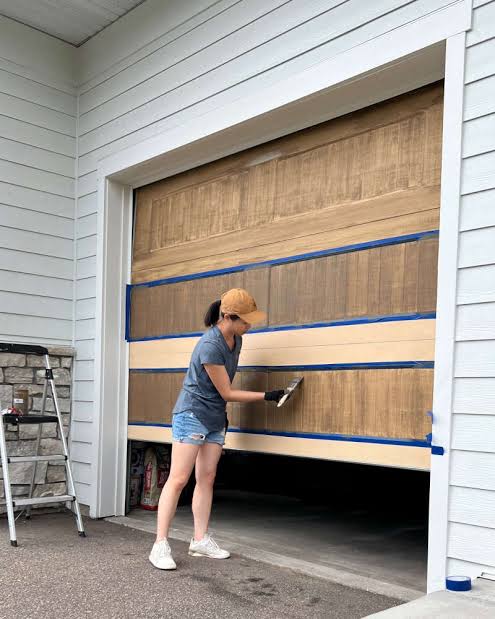
Step 4: Create the Wood Grain Texture
This is where the magic happens. Mix your darker grain color (burnt umber, dark walnut, or mahogany) with a clear glazing medium at a 1:4 ratio to extend working time. Working in sections no larger than 2×2 feet:
- Brush the glaze mixture onto the base coat in the direction of intended grain.
- Drag a wood graining rocker tool through the wet glaze using gentle, wavy motions to simulate growth rings.
- Soften harsh lines by lightly dabbing with cheesecloth.
- Feather edges before moving to the next section to avoid visible lap marks.
Practice first on cardboard! Most beginners need 2–3 test runs to develop consistent pressure and rhythm.
Step 5: Seal and Protect
After the grain coat cures for 24 hours, apply two coats of UV-resistant exterior polyurethane. This step is non-negotiable. Without UV protection, sunlight will bleach your faux grain within one season. Use a clean foam roller and maintain a wet edge to prevent streaking. Allow full cure for 72 hours before exposing to rain or closing the door.
Expert Tips for Achieving Realistic Wood Depth
- Study Real Wood: Before starting, examine photos or samples of the wood species you’re mimicking. Oak has bold, open grain; maple has subtle, tight patterns. Match your technique to the species.
- Vary Your Pressure: Natural wood isn’t uniform. Alternate between heavy and light passes with your graining tool to create organic variation.
- Add Knots Sparingly: Use a small artist’s brush to paint 1–2 subtle knots per panel section. Overdoing knots makes the finish look cartoonish.
- Work With Panels: Treat each raised or recessed panel as its own board. Grain direction should follow the panel orientation, not run continuously across the entire door.
- Temperature Matters: If paint dries too fast in hot weather, add a floetrol additive to extend open time. Never work in direct midday sun.
Frequently Asked Questions About Faux Wood Aluminum Doors
How long does a painted faux wood garage door last?
With proper preparation, quality materials, and UV-sealed topcoat, a professionally executed faux wood finish typically lasts 10–15 years. Factors affecting longevity include sun exposure, climate severity, and maintenance frequency. Reapplying topcoat every 3–5 years extends lifespan significantly.
Is it cheaper to paint or replace an aluminum garage door with wood?
Painting costs approximately $200–$500 in materials for a standard two-car door. Replacing with real wood or wood-composite doors ranges from $2,500–$8,000+ installed. Painting delivers 80% of the visual impact at less than 10% of replacement cost, making it the clear winner for budget-conscious homeowners seeking aesthetic upgrades.
Can I use stain instead of paint on aluminum?
No. Traditional wood stains penetrate porous cellulose fibers and cannot adhere to non-porous metal. However, gel stains designed for non-porous surfaces or tinted glazes can mimic stain appearance when applied over a proper primer and base coat. Always verify product compatibility with aluminum before application.
What is the best color combination for realistic wood?
For classic oak: tan base + burnt umber grain. For rich walnut: warm beige base + dark chocolate grain. For cherry: golden amber base + reddish-brown grain. Test combinations on poster board in natural daylight before committing. Remember that colors appear darker when wet and lighten slightly upon curing.
Do I need to remove the garage door to paint it?
Not necessarily. Many professionals paint doors in place using careful masking and drop cloths. However, removing horizontal sections or laying the door flat on sawhorses eliminates drips and provides easier access to recessed panels. If painting in place, work top-to-bottom and check for runs frequently.
How do I maintain my faux wood garage door?
Wash annually with mild soap and water to remove dirt and pollutants that degrade topcoat. Inspect for chips or scratches each spring; touch up immediately with matching paint and reseal with polyurethane to prevent moisture intrusion. Avoid pressure washing, which can force water behind paint layers and cause delamination.
Transform Your Home’s First Impression Today
Learning how to paint aluminum garage door to look like wood empowers you to reclaim your home’s curb appeal without the premium price tag of real timber. By following proper preparation protocols, investing in quality exterior products, and mastering the graining technique, you can achieve a stunning, durable transformation that neighbors and potential buyers will admire. The secret isn’t expensive equipment—it’s patience, attention to detail, and respecting the material science behind lasting adhesion.
Ready to showcase your beautiful new garage door? Share your before-and-after photos on social media and tag fellow DIY enthusiasts who could benefit from this budget-friendly upgrade! Your success story might inspire someone else to tackle their own home improvement project this weekend. Happy painting!
Leave a Reply