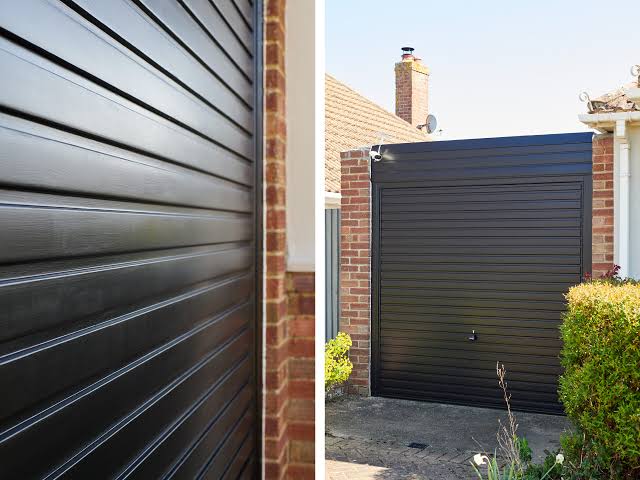
A faded, chipped garage door can instantly drag down your home’s curb appeal, making even a well-maintained property look neglected. If you are wondering how to paint a metal garage door with a roller to achieve a factory-smooth finish without expensive spray equipment, you have come to the right place. This guide breaks down the exact process professionals use to ensure durability, aesthetic beauty, and long-term protection against the elements.
Why Choose a Roller Over Spraying for Metal Doors?
Before diving into the tutorial, it is essential to understand why rolling is often the superior choice for DIYers. While spraying is faster, it requires extensive masking, ventilation, and practice to avoid runs. Rolling offers distinct advantages for residential projects:
- Controlled Application: Rollers push paint into the textured grain of metal doors better than brushes, ensuring adhesion.
- Less Overspray: You protect adjacent brickwork, windows, and landscaping without spending hours taping.
- Thicker Mil Build: Rollers apply a slightly thicker coat, which is crucial for UV protection on exterior metal surfaces.
- Cost-Effective: No need to rent or purchase airless sprayers; a high-quality roller frame and covers cost under $30.
According to industry standards referenced in Wikipedia’s entry on Paint Application, mechanical application methods like rolling provide consistent film thickness that correlates directly to the longevity of the coating system on metallic substrates.
What Tools and Materials Do You Need?
Preparation accounts for 80% of a successful paint job. Gather these items before starting:
| Category | Item | Purpose |
|---|---|---|
| Cleaning | TSP (Trisodium Phosphate) | Degreasing and removing chalky oxidation |
| Prep | 220-grit sandpaper/sponge | Scuff-sanding for mechanical adhesion |
| Priming | Rust-inhibitive metal primer | Prevents flash rust and improves topcoat bond |
| Application | 4-inch woven polyester roller cover | Smooth finish on metal; avoids lint shedding |
| Paint | 100% acrylic latex exterior satin/semi-gloss | Flexible, UV-resistant, non-yellowing |
| Safety | Nitrile gloves & safety glasses | Chemical protection during cleaning/sanding |
Expert Tip: Avoid foam rollers for metal doors. Foam tends to trap air bubbles and creates an “orange peel” texture. Woven polyester or microfiber covers (3/8-inch nap) are engineered for smooth metal surfaces.
Step-by-Step: How To Paint A Metal Garage Door With A Roller
Follow this precise sequence to guarantee professional results. Rushing prep work is the most common cause of peeling paint within 12 months.
1. Clean the Surface Thoroughly
Metal garage doors accumulate road salt, pollen, grease, and industrial fallout. Mix ½ cup of TSP per gallon of warm water (approx. 35–40°C). Scrub the entire door with a stiff nylon brush, then rinse with a garden hose. Allow 24 hours of drying time in temperatures between 10–32°C. Painting over moisture traps water beneath the film, causing blistering.
2. Sand and Repair Imperfections
Lightly scuff-sand the entire surface with 220-grit paper. You are not stripping paint; you are creating a mechanical tooth for the primer to grip. Wipe away dust with a tack cloth. Fill dents with automotive body filler, sand flush, and spot-prime bare metal areas immediately to prevent flash rust.
3. Apply Metal-Specific Primer
Never skip primer on metal. Use a dedicated rust-inhibitive primer (oil-based or acrylic-metal hybrid). Apply with your roller in thin, even coats. Maintain a wet edge to avoid lap marks. Dry time typically ranges from 4–6 hours at 21°C and 50% humidity. Lightly sand the primed surface with 320-grit paper to remove any raised grain or imperfections before topcoating.
4. Cut In Edges First
Using a high-quality angled sash brush, paint all edges, corners, recessed panels, and areas around hardware before rolling. This creates a border that your roller can blend into seamlessly. Work in sections no wider than 60 cm to maintain a wet edge.
5. Roll the Topcoat Using the “W” Technique
Load your roller evenly—do not overload. Apply paint in a “W” or “M” pattern across a 60×60 cm section, then fill in without lifting the roller. Finish with light, vertical strokes to level the film and eliminate stipple. Apply two thin coats rather than one thick coat; thick coats sag on vertical metal surfaces. Recoat window is usually 4–6 hours depending on product specifications.
6. Remove Tape and Inspect
Pull painter’s tape at a 45-degree angle while the final coat is still slightly tacky (within 1 hour) to prevent peeling cured paint. Inspect for missed spots, drips, or dust nibs under raking light. Touch up with a small artist’s brush if needed.
Critical Environmental Conditions for Success
Paint chemistry is temperature and humidity sensitive. Adhere to these parameters:
- Surface Temperature: Must be between 10°C and 32°C. Metal absorbs heat; a door in direct afternoon sun can exceed 49°C even when ambient air is 27°C. Paint applied to hot metal dries too fast, preventing proper leveling and adhesion.
- Humidity: Ideal range is 40–60%. Above 85%, waterborne paints cannot release moisture, leading to extended dry times and mildew risk.
- Dew Point: Ensure surface temperature is at least 3°C above the dew point. Painting when condensation forms guarantees failure.
- Wind: Avoid painting in winds exceeding 15 km/h. Wind accelerates solvent evaporation and blows debris onto wet paint.
Pros and Cons: Rolling vs. Brushing vs. Spraying
Understanding trade-offs helps set realistic expectations:
| Method | Finish Quality | Skill Level | Setup/Cleanup Time | Best For |
|---|---|---|---|---|
| Roller | Smooth, slight stipple | Beginner-friendly | Low | DIY homeowners, textured metal |
| Brush | Visible stroke marks | Moderate | Low | Trim, cutting in, small repairs |
| Spray | Factory-smooth | Advanced | High (masking) | Professionals, large flat surfaces |
Rolling strikes the optimal balance for most homeowners learning how to paint a metal garage door with a roller: excellent results with manageable effort.
Frequently Asked Questions (FAQ)
Q1: Can I paint a metal garage door without priming if the existing paint is intact?
Technically yes, but it is strongly discouraged. Even sound existing paint benefits from a bonding primer to ensure the new topcoat adheres uniformly. Skipping primer reduces expected lifespan from 8–10 years to 3–5 years, especially in coastal or high-humidity climates. The additional 4-hour investment pays exponential dividends.
Q2: How long should I wait between coats when rolling a metal garage door?
Most exterior acrylic latex paints require 4–6 hours at 21°C and 50% relative humidity. Always check the manufacturer’s technical data sheet (TDS). Cooler temperatures or higher humidity extend recoat windows significantly. Applying a second coat too soon traps solvents, causing wrinkling, poor adhesion, and premature failure.
Q3: What sheen is best for metal garage doors: flat, satin, or semi-gloss?
Satin or semi-gloss is recommended. Flat paints retain dirt, are difficult to clean, and offer less moisture resistance. Semi-gloss provides superior washability, reflects light to highlight architectural details, and forms a tighter film that resists water penetration. Satin offers a softer appearance while maintaining practical durability.
Q4: How do I prevent roller marks and stipple on smooth metal?
Use a woven polyester or microfiber roller cover with a 3/8-inch nap specifically labeled for smooth surfaces. Do not press hard; let the roller do the work. Maintain a wet edge, avoid overworking dried paint, and add a paint conditioner (like Floetrol) to extend open time and improve leveling. Thin coats always level better than thick ones.
Q5: Can I paint my garage door in direct sunlight?
Avoid it. Direct sunlight heats metal surfaces well above ambient temperature, causing paint to skin over before leveling. This results in visible lap marks, poor adhesion, and orange-peel texture. Paint in early morning, late afternoon, or on overcast days. If unavoidable, follow the shade as it moves across the door and keep paint containers in a cooler.
Q6: How often should a painted metal garage door be repainted?
With proper preparation and quality materials, expect 8–12 years of service. Factors reducing lifespan include intense UV exposure, coastal salt air, frequent washing with harsh chemicals, and inadequate initial prep. Annual inspections for chips or rust allow spot repairs that extend overall coating life significantly.
Final Thoughts: Transform Your Curb Appeal Today
Mastering how to paint a metal garage door with a roller is one of the highest-ROI weekend projects a homeowner can undertake. With meticulous preparation, the right tools, and patience during application, you will achieve a durable, beautiful finish that rivals professional spray jobs—at a fraction of the cost. Remember: prep determines longevity, application determines aesthetics.
Loved this guide? Share it on Pinterest, Facebook, or your neighborhood Nextdoor group to help fellow homeowners transform their garages! Tag us in your before-and-after photos—we’d love to celebrate your success. Happy painting! 🎨
Leave a Reply