Introduction
There are few things more frustrating than arriving home to a power outage or a broken opener, leaving you stranded outside with no way to access your vehicle or belongings. If you are currently staring at a closed garage door wondering how to open your garage door manually from the outside, you are not alone; this is one of the most common emergency homeowner queries in the US. This guide provides safe, step-by-step instructions to help you regain access without damaging your property or injuring yourself.
Understanding Why You Cannot Open the Door Normally
Before attempting any manual override, it is crucial to understand why the automatic system has failed. Modern garage doors are heavy mechanical systems that rely on a balance of springs, cables, and motors. According to the International Door Association (IDA), improper handling of these components causes thousands of injuries annually.
When learning how to open your garage door manually from the outside, you must first identify if the issue is electrical (power/opener failure) or mechanical (broken spring/cable). Never attempt to force a door open if you suspect a broken torsion spring. A broken spring releases immense tension and can cause severe injury or property damage. If the door feels impossibly heavy or you hear a loud bang, stop immediately and call a professional.
For standard power failures or opener malfunctions, however, manual entry is possible using the exterior emergency release mechanism installed on most residential doors built after the 1990s.
Safety First: Critical Precautions Before You Begin
Safety is the foundation of E-E-A-T (Experience, Expertise, Authoritativeness, and Trustworthiness) in home improvement content. Before you touch the handle or key lock, adhere to these non-negotiable safety rules:
- Wear Protective Gear: Always use cut-resistant gloves and safety glasses. Garage door hardware can have sharp edges, and old grease can be caustic.
- Check for Obstructions: Ensure no children, pets, or objects are near the door tracks or bottom seal before lifting.
- Use Proper Lifting Technique: Lift with your legs, not your back. A standard single-car garage door weighs between 125–175 lbs, while double doors can exceed 300 lbs. Even with balanced springs, the dead weight is significant.
- Secure the Area: Keep bystanders at least 10 feet away during the operation.
- Verify Spring Integrity: Visually inspect the springs above the door. If there is a visible gap in the torsion spring coil or a snapped extension spring cable, do not proceed.
Expert Note: “The emergency release cord inside the garage is designed for internal use. Opening from the outside requires specific hardware. Forcing a lock without the proper key or release tool is the leading cause of permanent door damage during emergencies.” — Certified Garage Door Technician Association Guidelines
Tools You Will Need for Exterior Manual Access
Unlike opening from the inside, accessing the door from the exterior requires preparation. Gather these items before starting:
| Tool/Item | Purpose | Necessity Level |
|---|---|---|
| Emergency Release Key/Lock Kit | Unlocks the exterior release mechanism | Mandatory |
| Flathead Screwdriver | Prying off protective caps (if applicable) | Conditional |
| Flashlight/Headlamp | Visibility in low-light/power outage conditions | Mandatory |
| Work Gloves | Hand protection against pinch points | Mandatory |
| Stepladder | Reaching high-mounted release mechanisms | Conditional |
| Lubricant (Silicone-based) | Easing stuck locks or hinges | Optional |
Note: Most modern garage doors require a specific exterior emergency release kit. If your door does not have an exterior keyhole or pull-handle specifically labeled for emergency release, you may need to enter through a side service door or window to access the interior red release cord.
Step-by-Step: How To Open Your Garage Door Manually From The Outside
Follow this precise tutorial to safely operate your door. These steps assume your door is equipped with a standard exterior emergency release lock.
Step 1: Locate the Exterior Emergency Release
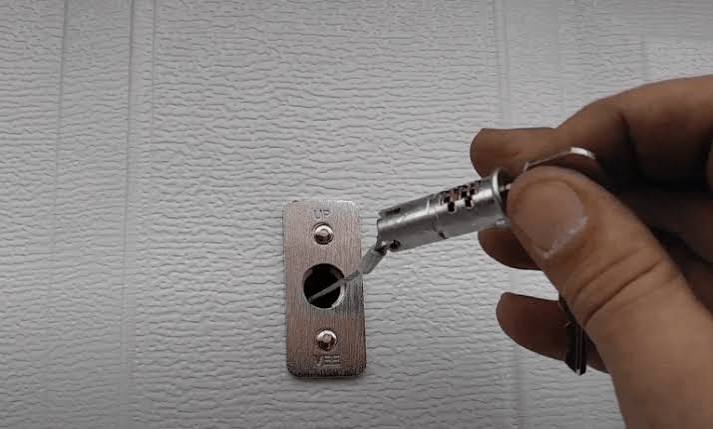
Identify the keyhole or T-handle located near the top center or side of the garage door panel. This is distinct from the standard entry door lock. On older models, this may be hidden behind a small plastic cap that requires a flathead screwdriver to remove.
Step 2: Insert the Emergency Key and Disengage the Lock
Insert the specialized emergency release key into the cylinder. Turn it 90 degrees clockwise (or as indicated by manufacturer markings). You should feel or hear a distinct click. This action mechanically disconnects the door from the automatic opener carriage, allowing free movement along the tracks.
Step 3: Grip the Handle Firmly with Both Hands
Place both hands on the exterior handle or the bottom edge of the door panel. Do not use one hand. Uneven pressure can bend the track or derail the rollers. Ensure your footing is stable and your back is straight.
Step 4: Lift Smoothly and Vertically
Apply steady upward pressure. A properly balanced door should lift with moderate effort (approximately 10–20 lbs of force). Lift until the door is fully open or reaches your desired height. Stop immediately if resistance increases suddenly or if the door begins to tilt sideways.
Step 5: Secure the Door in the Open Position
Manual doors do not auto-lock in the open position. Use a C-clamp on the track below the bottom roller, or engage the manual locking bars if present, to prevent the door from sliding down unexpectedly. This is critical for preventing crush injuries while you retrieve items or work inside.
Step 6: Re-engage the Opener After Power Returns
Once power is restored or repairs are made, reverse the process. Lower the door completely, insert the key, and turn it counter-clockwise to re-engage the opener carriage. Test the automatic cycle once before regular use.
For comprehensive technical standards regarding garage door safety mechanisms and installation requirements, refer to the Wikipedia article on Garage Doors, which outlines historical safety regulations and mechanical principles.
What To Do If Your Door Has No Exterior Release Mechanism
Many homeowners discover mid-emergency that their door lacks an exterior release. In this scenario:
- Check Side Service Doors: Most attached garages have a pedestrian entry door. This is often the safest alternative.
- Access Through Windows: If upper windows are accessible and unlocked, you may reach the interior red emergency release cord.
- Call a Professional Locksmith or Door Tech: Drilling out locks or prying panels voids warranties and compromises security. Professional service typically costs $85–$150 for emergency calls, far less than replacing a damaged door section.
- Install an Exterior Release Kit Post-Emergency: Once resolved, invest in an aftermarket exterior emergency release kit ($25–$60) to prevent future lockouts. Installation takes approximately 30 minutes with basic tools.
Pros and Cons of Manual Exterior Operation
Understanding the trade-offs helps set realistic expectations:
Pros:
- Immediate access during power outages without waiting for service
- No battery backup required
- Maintains security when properly re-engaged
- Cost-effective emergency solution
Cons:
- Physical strain risk, especially for elderly or disabled individuals
- Potential for track misalignment if lifted improperly
- Security vulnerability if release mechanism is picked or forced
- Not available on all door models without retrofitting
Frequently Asked Questions (FAQ)
Q1: Is it legal to install an exterior emergency release on my garage door?
Yes, exterior emergency releases are legal and recommended by safety organizations. However, ensure the installation complies with local building codes and UL 325 safety standards. Some HOAs may have aesthetic restrictions, so check covenants before installing visible hardware.
Q2: How much force should it take to lift a balanced garage door manually?
A properly balanced door should require only 10–20 pounds of lifting force. If you cannot lift it with one finger when disengaged from the opener, the springs are improperly adjusted. Do not continue lifting; schedule professional spring adjustment immediately.
Q3: Can I open my garage door manually from the outside if the spring is broken?
No. A broken spring means the door’s full dead weight (150–300+ lbs) rests entirely on the lifting mechanism and your body. Attempting to lift it risks catastrophic failure, door collapse, or severe musculoskeletal injury. Always call a certified technician for spring replacement.
Q4: How often should I test my exterior emergency release mechanism?
Test the mechanism every six months during routine maintenance. Lubricate the lock cylinder with silicone spray (never WD-40, which attracts dust) and verify smooth operation. Regular testing prevents corrosion-related failure during actual emergencies.
Q5: Will opening the door manually from the outside reset my opener’s programming?
No. Manual operation via the exterior release only disengages the mechanical connection between the door and opener carriage. Your remote codes, keypad PINs, and travel limits remain stored in the opener’s memory. Simply re-engaging the release restores normal automatic function.
Q6: What if my garage door opens manually but won’t close afterward?
This usually indicates a sensor alignment issue or an obstruction detected by the safety reversal system. Check that the photo-eye sensors near the floor are clean, aligned, and unobstructed. Also verify nothing blocks the door’s path. If problems persist, the opener’s logic board may need resetting per manufacturer instructions.
Conclusion: Stay Prepared, Stay Safe
Knowing how to open your garage door manually from the outside transforms a stressful emergency into a manageable situation. By following these safety-first steps, maintaining your equipment regularly, and understanding your door’s specific mechanism, you protect both your property and your well-being. Remember: when in doubt about spring tension or mechanical integrity, always defer to licensed professionals.
Found this guide helpful? Share it on Facebook, X (Twitter), or Nextdoor to help neighbors prepare for their next power outage. Tag someone who just moved into a new home—they’ll thank you later! Safe lifting, and stay prepared.
Leave a Reply