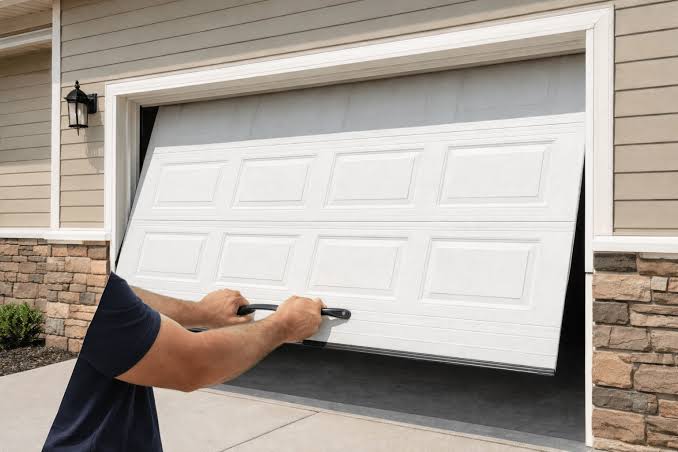
Have you ever found yourself stranded outside your home, unable to access your garage because of a power outage or malfunctioning opener? It’s a frustrating situation that many homeowners face, but knowing how to open the garage door manually from the outside can save you time, money, and stress. Whether you’re dealing with an electrical failure, broken remote, or simply want to be prepared for emergencies, this comprehensive guide will walk you through every step safely and effectively.
Understanding Your Garage Door System
Before attempting any manual operation, it’s crucial to understand how your garage door works. Most modern garage doors use either a torsion spring system or extension springs, connected to an electric opener mechanism. The manual release system is designed as a safety feature, allowing you to disconnect the door from the motor during emergencies.
According to the International Door Association, over 70% of garage door service calls are related to opener malfunctions rather than structural issues. This statistic highlights why knowing manual operation techniques is essential for every homeowner.
Key Components You Need to Know
- Emergency Release Cord: Usually red with a handle, hanging from the opener rail
- Locking Mechanism: External key lock or internal latch system
- Torsion Springs: Provide counterbalance for smooth operation
- Track System: Guides the door’s movement up and down
Method 1: Using the Emergency Release Cord
The most common and safest way to learn how to open the garage door manually from the outside involves accessing the emergency release mechanism. Here’s your step-by-step guide:
Step 1: Locate the Emergency Release Handle
Stand directly under your garage door opener motor unit. Look for a red cord with a handle hanging down from the center rail. This cord connects to the trolley that attaches your door to the opener mechanism.
Step 2: Pull the Release Cord Firmly
Grab the red handle and pull it straight down with moderate force. You should hear a clicking sound as the trolley disengages from the opener carriage. This action separates the door from the motorized system.
Step 3: Lift the Door Manually
Once disconnected, grasp the bottom edge of the garage door with both hands. Lift slowly and steadily using your legs, not your back. Modern garage doors typically weigh between 130-400 pounds, so use proper lifting technique.
Pro Tip: If the door feels extremely heavy, stop immediately. This could indicate a broken spring, which requires professional assistance.
Method 2: External Key Lock Access
Many garage doors come equipped with external locking mechanisms for added security. This method is particularly useful when you cannot access the interior release cord.
Identifying Your Lock Type
External locks typically fall into two categories:
| Lock Type | Location | Operation |
|---|---|---|
| Cylinder Lock | Center of door | Turn key to unlock |
| T-Handle Lock | Side of door | Rotate handle 90 degrees |
| Slide Bolt | Interior side | Push/pull to engage |
Using the External Lock
- Insert your garage door key into the external lock cylinder
- Turn the key clockwise until you hear the locking mechanism release
- Try lifting the door gently to confirm it’s unlocked
- Raise the door using both hands, keeping your back straight
For more detailed information about garage door safety standards, visit Wikipedia’s Garage Door article which provides comprehensive technical specifications and safety guidelines.
Method 3: Bypassing Security Features Safely
Some newer garage door models include additional security features that may require specific bypass techniques. Always prioritize safety and legality when attempting these methods.
Smart Garage Door Systems
If you have a Wi-Fi enabled garage door opener:
- Check if your smartphone app allows remote manual override
- Look for backup battery systems that might still function
- Contact your manufacturer’s customer support for specific instructions
Older Door Models
For vintage or older garage doors without modern safety features:
- Look for manual latches on the interior side
- Check for secondary locking mechanisms near the tracks
- Consider installing a new emergency release system for future convenience
Safety Precautions and Common Mistakes
Learning how to open the garage door manually from the outside requires careful attention to safety protocols. Here are critical precautions to follow:
Essential Safety Guidelines
- Never attempt manual operation if springs appear damaged or broken
- Always ensure the area around the door is clear of obstacles
- Use proper lifting techniques to avoid back injury
- Keep children and pets away from the operating door
- Wear protective gloves to prevent hand injuries
Common Mistakes to Avoid
- Forcing a stuck door: This can damage tracks, rollers, or springs
- Ignoring unusual sounds: Grinding or squeaking indicates mechanical issues
- Attempting repairs without knowledge: Spring systems store significant energy and can be dangerous
- Leaving the door partially open: This creates security vulnerabilities and potential accidents
Troubleshooting Common Problems
Even when following proper procedures, you might encounter issues. Here’s how to address common problems:
Door Won’t Lift After Release
If the door remains stuck after pulling the emergency release:
- Check for obstructions in the tracks
- Inspect rollers for damage or misalignment
- Verify that all locking mechanisms are fully disengaged
- Look for ice buildup (in winter months) preventing movement
Heavy or Unbalanced Door
A properly balanced garage door should stay in place when lifted halfway. If yours doesn’t:
- Stop using the door immediately
- Contact a professional garage door technician
- Do not attempt spring adjustments yourself
- Document the issue with photos for the technician
Release Cord Issues
If the emergency release cord is missing or broken:
- Check if it became detached and fell behind the door
- Look for replacement parts at hardware stores
- Consider upgrading to a newer opener system
- Install a secondary manual release mechanism
Maintenance Tips for Future Prevention
Regular maintenance can prevent most situations where you need to know how to open the garage door manually from the outside. Implement these practices:
Monthly Checks
- Test the emergency release mechanism
- Lubricate moving parts with silicone-based lubricant
- Inspect cables and springs for wear
- Clean tracks and remove debris
Annual Professional Service
- Have springs inspected and adjusted by professionals
- Check opener settings and safety sensors
- Replace weather stripping as needed
- Update security codes and remote controls
When to Call a Professional
While knowing manual operation techniques is valuable, some situations require expert assistance:
- Broken or damaged springs
- Bent or misaligned tracks
- Electrical issues with the opener motor
- Persistent balancing problems
- Safety sensor malfunctions
Professional garage door technicians have the tools, training, and experience to handle complex repairs safely. The average cost for emergency service ranges from $150-$400, which is often less expensive than DIY mistakes that cause further damage.
Frequently Asked Questions
Q: Can I open my garage door manually if the springs are broken?
A: No, you should never attempt to operate a garage door with broken springs. The springs counterbalance the door’s weight, and without them, the door becomes extremely heavy and dangerous. Broken springs can also snap unexpectedly, causing serious injury. Always call a professional technician for spring-related issues.
Q: How often should I test my emergency release mechanism?
A: Test your emergency release mechanism monthly to ensure it functions properly. Regular testing helps identify problems before you actually need to use it in an emergency. Make sure the cord moves freely and the trolley disengages smoothly when pulled.
Q: Will manually opening my garage door void the warranty?
A: No, using the emergency release mechanism as designed will not void your warranty. In fact, most manufacturers expect homeowners to know how to operate their doors manually. However, attempting unauthorized modifications or forcing components can void warranty coverage.
Q: What should I do if my garage door has no external lock?
A: If your garage door lacks an external lock, focus on mastering the emergency release cord method from inside the garage. Consider installing an external locking mechanism for added convenience and security. Many hardware stores sell retrofit locking kits that work with most standard garage doors.
Q: Is it safe to leave my garage door disconnected from the opener?
A: While temporarily disconnecting the door is safe for manual operation, leaving it disconnected long-term isn’t recommended. The opener provides important safety features like automatic reversal and obstacle detection. Reconnect the door to the opener as soon as the underlying issue is resolved.
Q: Can weather affect my ability to open the garage door manually?
A: Yes, extreme weather conditions can impact manual operation. Cold temperatures can make metal components contract and stick, while humidity can cause swelling in wooden doors. Ice buildup on tracks is a common winter issue. Regular maintenance and weather-appropriate lubricants can help mitigate these problems.
Conclusion
Mastering how to open the garage door manually from the outside is an essential skill that every homeowner should possess. Whether you’re dealing with a power outage, equipment malfunction, or simply want to be prepared for emergencies, understanding these techniques provides peace of mind and practical solutions.
Remember to prioritize safety above all else, perform regular maintenance to prevent issues, and don’t hesitate to call professionals when needed. By following the methods outlined in this guide, you’ll be well-equipped to handle most garage door situations confidently and safely.
Found this guide helpful? Share it with friends and family who might benefit from knowing these essential garage door skills. Stay safe and prepared!
Leave a Reply