Introduction
There are few things more stressful than arriving home late at night only to discover your garage door won’t budge because of a snapped lift cable. You are locked out, your car is trapped inside, and you need to know how to open garage door with broken cable from outside without causing further damage or injuring yourself. This guide provides safe, expert-approved methods to regain access while prioritizing your personal safety and the integrity of your door system.
Understanding Why Your Garage Door Cable Broke
Before attempting any manual override, it is vital to understand the mechanics at play. Garage doors typically weigh between 150 and 300 pounds, and the lift cables bear this entire load in conjunction with high-tension torsion springs. According to industry data, cables usually fail due to metal fatigue after 10,000–15,000 cycles, fraying from misaligned drums, or corrosion in coastal climates.
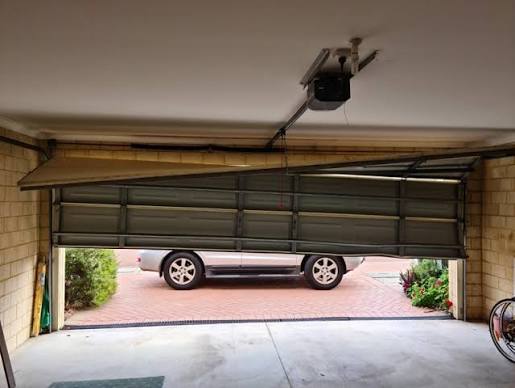
When a cable snaps, the door becomes unbalanced. One side may drop while the other remains suspended, creating a dangerous “shear” point. Attempting to force the door open without understanding this imbalance is the leading cause of DIY injuries in garage maintenance. Always assume the remaining components are under extreme stress.
Safety First: Critical Warnings Before You Act
Safety must be your primary concern when dealing with compromised garage hardware. Please adhere to these non-negotiable rules:
- Never Touch the Springs: Torsion springs store enough kinetic energy to cause severe injury or death if they release unexpectedly. Even if the cable is broken, the spring may still be under tension.
- Wear Protective Gear: Use heavy-duty work gloves, safety goggles, and steel-toed boots. A falling door panel can crush fingers instantly.
- Secure the Area: Keep children and pets at least 20 feet away from the garage door during any manual operation.
- Assess Structural Integrity: If the door looks bent, twisted, or has jumped off its tracks, do not attempt to open it. Call a professional immediately.
Expert Note: The International Door Association (IDA) recommends that homeowners treat any broken cable scenario as an emergency repair situation rather than a routine maintenance task. If you feel uncertain at any point, stopping is the safest choice.
Can You Open a Garage Door With a Broken Cable From Outside?
The honest answer depends on your specific setup. Most modern residential garage doors do not have an external manual release mechanism for security reasons. The emergency release cord is typically located inside the garage, hanging from the opener rail.
However, there are three scenarios where external access is possible:
- You Have an External Key Lock: Some older or custom doors feature a keyed lock cylinder on the exterior that mechanically disengages the latch.
- The Door Is Partially Open: If the broken cable left a gap, you may be able to reach the internal release cord through the opening.
- You Have an Emergency Exterior Release Kit: Rare in residential settings but common in commercial applications, these kits include an external pull handle connected to the release mechanism.
If none of these apply, forcing the door from outside is extremely hazardous and likely to destroy the remaining hardware.
Step-by-Step: How To Open Garage Door With Broken Cable From Outside (Safe Methods)
If you have confirmed it is safe to proceed based on the criteria above, follow these precise steps. Stop immediately if you encounter resistance.
Method 1: Using an External Key Lock (If Equipped)
- Insert the correct key into the exterior lock cylinder positioned at the bottom center or side of the door.
- Turn the key slowly while applying gentle upward pressure on the door handle.
- Listen for the mechanical click indicating the latch has retracted.
- Lift the door slowly and evenly, keeping your body centered. Do not stand directly under the door.
- Once fully open, secure the door with locking pliers or C-clamps on the track below the bottom roller to prevent accidental closure.
Method 2: Reaching the Internal Release Through a Gap
- Assess the gap created by the broken cable. Ensure it is wide enough to fit your arm safely without pinching risk.
- Locate the red emergency release cord hanging from the opener trolley assembly.
- Use a long hook tool (like a wire coat hanger bent into a J-shape) to snag and pull the cord downward toward the floor.
- Once disengaged, lift the door manually using both hands placed symmetrically on the bottom edge.
- Secure the open door immediately with clamps on the vertical tracks.
Method 3: Temporary Stabilization Before Professional Help
If neither method works, your goal shifts from “opening” to “stabilizing”:
- Place wooden blocks or jack stands under the bottom corners of the door to prevent sudden dropping.
- Disconnect the automatic opener by pulling the plug (if accessible via an exterior outlet or smart switch).
- Contact a licensed garage door technician for same-day emergency service.
Pros and Cons of DIY External Access vs. Professional Repair
| Factor | DIY External Access | Professional Technician |
|---|---|---|
| Cost | $0–$20 (tools/clamps) | $150–$350 (service + parts) |
| Time | 15–60 minutes (high uncertainty) | 1–2 hours (guaranteed resolution) |
| Safety Risk | High (unbalanced door, spring tension) | Low (trained, proper tools) |
| Long-Term Fix | None (temporary access only) | Complete cable replacement + inspection |
| Warranty Impact | May void manufacturer warranty | Preserves or extends warranty |
Preventive Maintenance to Avoid Future Cable Failures
Once your immediate crisis is resolved, implement these maintenance practices to prevent recurrence:
- Monthly Visual Inspections: Check cables for fraying, rust, or kinks. Replace at first sign of wear.
- Annual Professional Tune-Up: A certified technician should inspect springs, cables, rollers, and alignment every 12 months.
- Lubricate Moving Parts: Apply lithium-based grease to rollers and hinges quarterly. Avoid WD-40, which attracts dust.
- Balance Test: Disconnect the opener and manually lift the door halfway. It should stay in place; if it drops, your springs need adjustment.
For deeper technical understanding of garage door counterbalance systems, refer to the Garage Door Wikipedia page, which details the engineering principles behind torsion and extension spring mechanisms.
Frequently Asked Questions (FAQ)
Q1: Is it safe to manually lift a garage door with a broken cable?
Generally, no. A broken cable means the door is unbalanced and the remaining cable/spring is overloaded. Manual lifting should only be attempted if the door moves smoothly with minimal effort and shows no signs of binding. If there is any resistance, stop and call a professional.
Q2: How much does it cost to replace a broken garage door cable?
National averages range from $150 to $300 for a single cable replacement, including labor and parts. If both cables need replacement (recommended even if only one broke), expect $250–$400. Prices vary by region, door type, and after-hours emergency fees.
Q3: Can I drive my car out if the garage door cable is broken?
Only if the door is fully secured in the open position with mechanical clamps on the tracks. Never drive under an unsupported door with a broken cable, as vibration could trigger catastrophic failure. If the door cannot be safely secured open, arrange alternative vehicle storage.
Q4: How long do garage door cables typically last?
Standard galvanized steel lift cables last 7–12 years under normal use (3–5 cycles daily). Factors like humidity, salt air, poor alignment, and lack of lubrication can reduce lifespan significantly. Premium stainless-steel cables may last 15+ years.
Q5: Will my homeowner’s insurance cover broken garage door cables?
Typically, no. Cable failure is considered normal wear and tear, not a covered peril. However, if the broken cable caused secondary damage (e.g., door collapsed onto vehicle), that resulting damage may be covered. Always check your specific policy declarations.
Q6: What should I do if the door falls suddenly while I’m trying to open it?
Move away immediately. Do not attempt to catch or slow the door. After ensuring everyone is safe, assess for injuries and property damage. Document the incident with photos for insurance purposes, then contact a licensed technician. Never attempt to re-engage a fallen door yourself.
Conclusion
Knowing how to open garage door with broken cable from outside is valuable emergency knowledge, but it comes with significant safety responsibilities. The methods outlined here prioritize your wellbeing over convenience, recognizing that an unbalanced garage door is inherently dangerous. In most cases, the wisest course of action is to stabilize the situation and call a certified professional rather than risk injury or costly damage.
Your safety is worth far more than the cost of a service call. Regular maintenance and annual inspections remain the best defense against unexpected failures.
Found this guide helpful? Share it on Facebook, X (Twitter), or Nextdoor to help a neighbor avoid a dangerous garage door emergency. Tag someone who needs this information—you might just prevent an injury! 💡🔧
Leave a Reply