Imagine arriving home after a long day or needing to leave for an urgent appointment, only to find your garage completely unresponsive. It is incredibly frustrating to be trapped, but knowing how to open electric garage door when power is out can save you from a major headache. We understand how stressful this situation can be, which is why we have put together this simple, step-by-step guide to help you regain access safely and quickly.
How To Open Electric Garage Door When Power Is Out: Step-by-Step
When the electricity fails, your automatic opener becomes useless. Fortunately, manufacturers include a manual override mechanism for these exact situations. Here is the exact process to follow.
Step 1: Ensure the Garage Door is Fully Closed
Before you attempt to disengage the opener, make sure the door is completely in the down position. If the door is partially open when you pull the release cord, gravity could cause it to slam shut, which is highly dangerous.
Step 2: Locate the Emergency Release Cord
Look at the metal rail that connects the motor to the top section of your door. You will see a rope hanging from a mechanism called the trolley. This is the emergency release cord, and it is almost always bright red with a plastic handle.
Step 3: Pull the Release Cord Firmly
Grab the red handle and pull it firmly downward and away from the motor unit. You should hear a distinct, loud click. This sound confirms that the trolley has disconnected from the carriage, separating the door from the motor’s drive mechanism.
Step 4: Lift the Door Manually
Now that the door is disconnected, you can lift it by hand.
- Stand directly in the center of the door.
- Use both hands and grab the bottom edge or the designated manual handle.
- Lift smoothly and evenly. Keep in mind that a standard single-car garage door can weigh between 150 to 300 pounds.
- Lift the door until it reaches the fully open position and the horizontal tracks align.
Step 5: Secure the Door in Place
Once the door is open, you must secure it so it does not fall. If your door has a manual lock, engage it now. If not, place a C-clamp or a pair of locking pliers on the metal tracks just below the bottom rollers on both sides. This physically blocks the door from sliding down.
Why Does Your Garage Door Stop Working During an Outage?
To understand the solution, it helps to know the problem. Electric garage door openers rely on a consistent 120-volt alternating current (AC) to power the internal motor. When the grid goes down, the motor loses its energy source.
The remote controls and wall switches simply send a radio frequency or electrical signal to the motor board. Without power, the board cannot process these signals or engage the motor to turn the drive gear. For more context on how widespread these electrical failures are, you can read about the general infrastructure of a Power outage on Wikipedia.
Manual Operation vs. Waiting for Power
If you are debating whether to manually open the door or wait for the electricity to return, here is a quick comparison to help you decide.
| Feature | Manual Release (Pulling the Cord) | Waiting for Power to Return |
|---|---|---|
| Speed of Access | Immediate (takes under 2 minutes). | Unpredictable (could take hours). |
| Physical Effort | High (requires lifting 150–300 lbs). | Zero (motor does the work). |
| Safety Risk | Moderate (risk of door falling if unsecured). | None (door remains locked in place). |
| Best Used When | You need to drive your car out urgently. | You are safely inside and not in a rush. |
How to Re-engage the Garage Door Opener After Power Returns
Once the electricity is back, you cannot simply press the remote and expect the door to work. The trolley is still disconnected from the carriage. Here is how to reset the system.
- Close the door manually: Pull the door down until it sits completely flat on the floor.
- Re-engage the trolley: Pull the red emergency release cord downward again, but this time, push it slightly toward the motor unit.
- Listen for the click: You will hear the mechanism snap back into place. The trolley is now reconnected to the carriage.
- Test the system: Press the wall button to ensure the automatic opener smoothly lifts and lowers the door.
Safety Precautions and Common Mistakes to Avoid
Working with heavy mechanical parts requires respect and caution. According to the Door & Access Systems Manufacturers Association (DASMA), improper handling of garage doors leads to thousands of injuries annually.
- Never pull the cord while the door is moving. If the power flickers while the door is in motion, wait for it to stop completely before pulling the release.
- Check the spring balance. If the door feels impossibly heavy when you try to lift it manually, stop immediately. This usually indicates a broken torsion spring. A broken spring means the counterbalance system has failed, and the full weight of the door is resting on you. Call a professional technician.
- Keep your hands clear. Never place your fingers between the door sections (panels) when lifting. If the door shifts or drops, the pinch points can cause severe crush injuries.
Frequently Asked Questions
1. Can I use my car’s battery to power the garage door opener?
No, you cannot. Standard garage door openers require 120-volt AC power from a standard household wall outlet. A car battery provides 12-volt DC power. While you could theoretically use a power inverter to convert the energy, it is much safer and easier to simply use the manual release cord.
2. What should I do if the emergency release cord is broken?
If the red rope has snapped or is missing, you can still disengage the trolley. Look at the lever on the trolley itself. You can use a pair of locking pliers (like Vise-Grips) or a sturdy stick to push the lever in the same direction the cord would normally pull it.
3. Will my garage door remote work if I have a backup generator?
Yes, but only if the generator is actively powering the specific electrical outlet that your garage door opener is plugged into. If the outlet is dead, the opener’s logic board will not receive power, and the remote will not work.
4. How do I lock the garage door from the outside during a power outage?
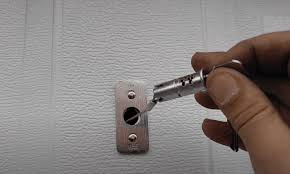
Most modern garage doors do not have exterior handles. If you leave the house and need to secure the garage while the power is out, you must install a manual T-handle lock on the interior of the door. This requires drilling a hole through the door panels to insert a keyhole on the outside.
5. Should I install a backup battery for my garage door opener?
If you experience frequent blackouts, investing in a battery backup is a highly recommended upgrade. Many modern openers come with them pre-installed, or you can buy an add-on kit for $150 to $300. A backup battery will allow the motor to operate the door normally for several cycles during an outage.
Conclusion
Knowing how to open electric garage door when power is out is an essential household skill that saves time and reduces panic during an emergency. By locating the red release cord, lifting the door evenly, and securing it properly, you can regain access to your garage in just a few minutes. Always prioritize safety, check your door’s balance, and remember to re-engage the trolley once the power returns.
Leave a Reply