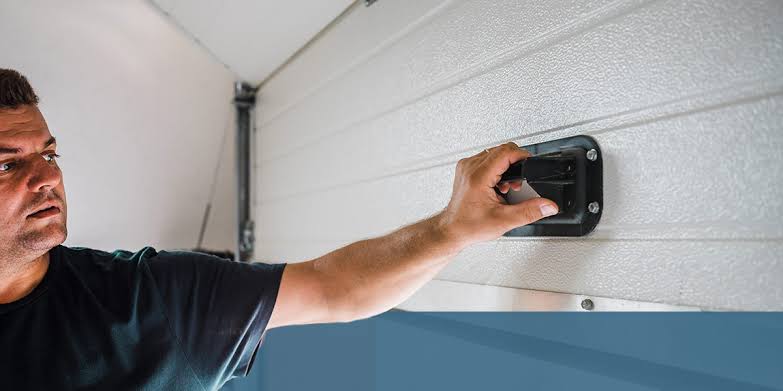
Introduction
There are few things more frustrating than being trapped in your own garage during a power outage or facing a broken opener motor when you need to leave for work immediately. Understanding how to open a garage door manually from the inside is an essential homeowner skill that ensures your safety and prevents costly damage to your door system. This comprehensive guide will walk you through the safe, step-by-step process of disengaging your automatic opener and lifting the door by hand, ensuring you can handle this common emergency with confidence and care.
Why You Need to Know How to Open a Garage Door Manually From the Inside
Before diving into the mechanical steps, it is vital to understand why this knowledge matters beyond simple convenience. According to industry data, garage door openers have an average lifespan of 10–15 years, but electrical components can fail unpredictably due to power surges, capacitor failure, or extreme weather events.
Knowing how to operate your door manually serves three critical purposes:
- Emergency Egress: In the event of a fire or natural disaster where power is cut, your garage may be your primary exit route.
- System Preservation: Forcing an electric opener when the door is jammed can strip gears or burn out motors, turning a minor issue into a $500+ repair.
- Diagnostic Capability: Manually operating the door helps you identify if the problem is electrical (opener) or mechanical (springs/tracks), which is crucial information for technicians.
⚠️ Critical Safety Warning: Never attempt to manually lift a garage door if you suspect a broken torsion spring or cable. Garage doors weigh between 150–400 lbs, and springs store massive kinetic energy. If the door feels excessively heavy or drops suddenly, stop immediately and call a professional.
Locating the Emergency Release Cord
The first step in learning how to open a garage door manually from the inside is identifying the emergency release mechanism. This component is universally present on residential sectional garage doors installed after 1990.
What Does It Look Like?
The emergency release cord typically features a bright red handle attached to a rope or wire. It hangs from the trolley carriage—the moving part that connects the door to the opener rail.
| Feature | Standard Residential Opener | Side-Mount / Jackshaft Opener |
|---|---|---|
| Release Location | Center rail, near motor | On the side wall, near torsion bar |
| Cord Color | Usually Red | Varies (Red/Black/Green) |
| Action Required | Pull down and toward motor | Pull straight down or rotate lever |
| Re-engagement | Push lever back up until click | Return lever to locked position |
If you cannot locate the cord, consult your opener’s manual or look for a label on the motor unit. For deeper technical context on garage door counterbalance systems and their safety mechanisms, you can refer to the Garage Door Wikipedia page, which details the engineering principles behind these safety releases.
Step-by-Step: How to Open a Garage Door Manually From the Inside
Follow these precise instructions to safely disconnect and lift your door. Do not skip any steps, as improper handling can cause injury or door derailment.
Step 1: Ensure the Door Is Fully Closed
You should only pull the emergency release cord when the garage door is in the fully closed position. Releasing the trolley while the door is partially open can cause it to crash down violently due to unbalanced spring tension.
- Check visually that the bottom seal is flush with the floor.
- If the door is stuck halfway, do NOT pull the release. Call a technician.
Step 2: Disconnect Power to the Opener
Unplug the garage door opener from the ceiling outlet or flip the dedicated circuit breaker. This prevents the motor from accidentally activating while your hands are near the trolley mechanism.
Step 3: Pull the Emergency Release Cord
Grasp the red handle firmly. Pull the cord straight down and then slightly toward the motor unit (away from the door). You should hear and feel a distinct click as the locking pawl disengages from the trolley.
- Note: Some older models require pulling toward the door. If resistance is met, check the directional arrow printed on the release mechanism.
Step 4: Lift the Door Using Proper Form
With the opener disconnected, the door is now free-floating on its tracks. Grip the door at the designated lift handles or the bottom edge panel—never grab between sections.
- Stand with feet shoulder-width apart.
- Bend at the knees, keeping your back straight.
- Lift smoothly using leg strength, not your back.
- Raise the door until it reaches the fully open position or your desired height.
Step 5: Secure the Door in Position
Manual garage doors do not have an automatic lock when open. Use a C-clamp on the track below a roller, or engage a manual slide lock if equipped, to prevent accidental closure while you work or move vehicles.
Troubleshooting: When the Door Won’t Lift Manually
Even when following correct procedures for how to open a garage door manually from the inside, you may encounter resistance. Here is a diagnostic checklist:
- Door Feels Extremely Heavy (>50 lbs of effort): Likely a broken torsion spring or snapped cable. Do not force. Professional service required.
- Door Binds or Jerks: Inspect tracks for debris, dents, or misalignment. Rollers may be seized or damaged.
- Release Cord Won’t Disengage: The trolley may be rusted or the release mechanism bent. Apply penetrating oil to the pivot point and try again gently.
- Door Slams Shut When Released: Spring tension is insufficient or cables are off-drum. Immediate hazard—secure area and call for service.
Pros and Cons of Manual Operation
Understanding the trade-offs helps you decide when manual operation is appropriate versus when to wait for repairs.
✅ Advantages:
- Immediate access during emergencies
- Zero electricity cost
- Helps diagnose mechanical vs. electrical issues
- Maintains egress compliance during outages
❌ Disadvantages:
- Physical strain and potential back injury risk
- No automatic locking/security features
- Risk of door damage if springs are compromised
- Time-consuming re-engagement process
Frequently Asked Questions (FAQ)
1. Can I open my garage door manually from the inside without the red cord?
No. The emergency release cord is the only manufacturer-approved method to disconnect the opener trolley. Attempting to pry the trolley loose with tools can permanently damage the carriage assembly and void warranties. If the cord is missing or broken, contact a licensed garage door technician for replacement before attempting manual operation.
2. How do I reconnect the garage door opener after opening it manually?
To re-engage the opener, ensure the door is fully closed. Pull the release cord toward the door (or push the lever upward, depending on model) until you hear a firm click indicating the trolley has relocked. Plug the opener back in and test with the wall button. If the opener runs but doesn’t move the door, the trolley hasn’t fully engaged—repeat the process.
3. Is it safe to manually open a garage door during a thunderstorm?
Yes, manually operating the door eliminates the risk of electrical surge damage to the opener. However, exercise caution as metal tracks and hardware can conduct lightning if your home is struck. Avoid touching metal components during active lightning and consider wearing insulated gloves as an added precaution.
4. Why does my garage door feel heavier when opened manually than with the opener?
A properly balanced garage door should require only 8–10 lbs of lift force regardless of operation method. If manual lifting feels significantly heavier, your springs are likely under-tensioned, worn, or broken. The opener’s motor masks this imbalance temporarily, but continued use in this state accelerates wear on both the door and opener components.
5. How often should I test the manual release mechanism?
Industry experts recommend testing the emergency release twice per year, ideally during seasonal maintenance checks. Regular testing prevents the mechanism from seizing due to dust, humidity, or lack of use. Simply pull and re-engage the cord with the door closed to verify smooth operation.
6. Can children or elderly individuals safely operate the manual release?
The emergency release requires moderate grip strength and the ability to lift 150+ lbs safely. Children should never operate garage doors manually. Elderly individuals or those with mobility limitations should have an alternative egress plan or install a battery backup opener system that maintains automatic operation during outages.
Conclusion
Mastering how to open a garage door manually from the inside transforms a potentially stressful emergency into a manageable routine task. By following the safety protocols outlined above—verifying door position, disconnecting power, using proper lifting form, and recognizing warning signs—you protect both yourself and your property. Remember that manual operation is a temporary solution; always schedule professional inspection if your opener fails repeatedly or if the door exhibits balance issues.
Your preparedness could make all the difference during an unexpected outage or emergency. Found this guide helpful? Share it on Facebook, X (Twitter), or Pinterest to help fellow homeowners stay safe and informed. Tag a friend who just moved into a new home—they’ll thank you later! Stay safe, stay prepared, and keep those garage doors rolling smoothly.
Leave a Reply