Introduction
There are few things more frustrating than arriving home or trying to leave, only to realize you cannot access your garage because the door is stuck shut. Whether caused by a sudden power outage, a snapped torsion spring, or a misplaced remote, knowing how to open a closed garage door from the outside is an essential homeowner skill that can save you time, money, and significant stress. In this comprehensive guide, we will walk you through safe, effective methods to regain entry without damaging your property or risking personal injury.
Understanding Why Your Garage Door Won’t Open
Before attempting any physical intervention, it is vital to diagnose the root cause. Applying force to a door with a specific mechanical failure can lead to catastrophic damage or severe injury. According to industry safety data, garage doors are often the heaviest moving objects in a residential home, weighing between 150 and 400 pounds depending on material and insulation.
Common reasons for exterior lockouts include:
- Power Failure: The automatic opener lacks electricity or backup battery power.
- Broken Torsion or Extension Springs: The counterbalance system has failed, making the door dead weight.
- Disconnected Opener Carriage: The trolley has disengaged from the drive mechanism.
- Frozen Tracks: Ice accumulation prevents roller movement in winter climates.
- Lock Engagement: An interior manual slide lock was accidentally engaged before closing.
⚠️ Critical Safety Warning: Never attempt to force a garage door open if you suspect a broken spring. The stored kinetic energy in these components can cause fatal injuries. If a spring is visibly snapped or the door feels impossibly heavy, contact a certified technician immediately. For more technical background on garage door mechanics and safety standards, refer to Wikipedia’s Garage Door article.
Method 1: Using the Emergency Release Kit (Most Common Solution)
Modern residential garage doors installed after the early 2000s typically feature an emergency release mechanism accessible from the exterior. This is the primary answer to how to open a closed garage door from the outside during power failures.
Step-by-Step Instructions
- Locate the Emergency Release Lock: Look for a small, keyed cylinder lock near the top center of the garage door exterior, usually just below the top panel seam. It may be covered by a plastic cap labeled “Emergency Release.”
- Insert the Correct Key: Use the dedicated emergency release key provided during installation. Do not use improvised tools like screwdrivers or coat hangers, as this can strip the internal tumblers and permanently disable the mechanism.
- Turn and Pull: Rotate the key 90 degrees clockwise. You should feel a distinct click as the internal cable disengages the opener carriage from the door bracket. Gently pull the key outward; some models require you to hold the key in the pulled position while lifting.
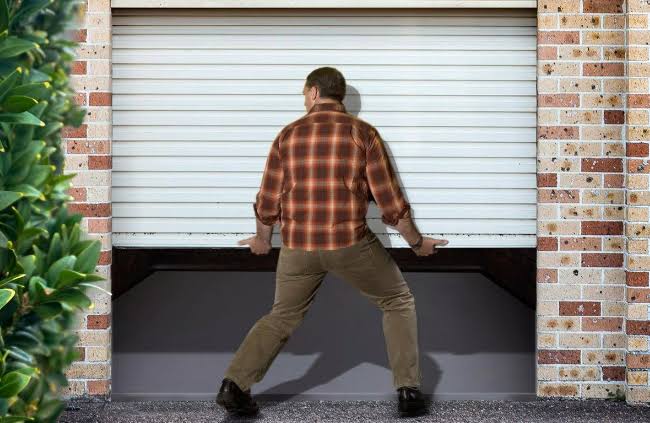
- Lift the Door Manually: With both hands placed firmly on the bottom edge or designated lift handles, raise the door smoothly. A properly balanced door should require no more than 10–15 lbs of lifting force. If it resists significantly, stop immediately—the springs are likely compromised.
- Secure the Door Open: Once fully raised, engage the manual locking bar or place a sturdy clamp on the track above a roller to prevent accidental closure while you address the underlying issue.
Pros vs. Cons: Emergency Release Method
| Feature | Advantage | Limitation |
|---|---|---|
| Accessibility | Designed specifically for exterior access | Requires original key; lost keys need locksmith |
| Safety | Disengages opener safely | Does not fix broken springs |
| Speed | Takes under 60 seconds when functional | Mechanism can seize from lack of maintenance |
| Cost | No additional parts needed | Replacement kits cost $25–$45 if damaged |
Method 2: Bypassing a Locked Interior Slide Lock
If someone inside accidentally engaged the manual slide lock before the door closed, the emergency release will not work. This scenario requires careful problem-solving.
Diagnostic Checklist
- Check all windows adjacent to the garage for potential interior access points.
- Verify whether a side service door exists and is unlocked.
- Inspect weatherstripping gaps at the bottom for visibility of the lock position.
Safe Entry Protocol
- Access Through Adjacent Entry Points: Enter through a connected mudroom, basement, or side door. This is always preferable to exterior forcing.
- Disengage the Slide Lock: Locate the horizontal metal bar slid into the track channel. Push the handle downward and slide it fully back to the open position.
- Test Balance Before Full Operation: Lift the door 6–12 inches first to confirm smooth travel. Listen for grinding, popping, or binding sounds that indicate track misalignment.
- Reset the Opener: After restoring power or fixing the issue, re-engage the opener carriage by pulling the emergency release cord (interior red handle) toward the motor unit until it clicks back into place.
Method 3: Addressing Frozen or Obstructed Tracks
In northern US climates, ice buildup is a frequent cause of exterior lockouts. Temperature fluctuations between 22–32°F create ideal conditions for moisture to freeze within track channels.
De-Icing Procedure
- Apply Commercial De-Icer: Spray a silicone-based garage door de-icer along the entire track length. Avoid rock salt or sodium chloride, which corrodes steel tracks and damages concrete flooring. Allow 3–5 minutes for penetration.
- Gentle Heat Application: Use a hair dryer on medium setting (not a heat gun) to warm the track surface evenly. Maintain a distance of 6–8 inches to prevent paint damage or seal warping. Target temperature: 35–40°F at the metal surface.
- Clear Bottom Seal Area: Remove packed snow and ice from the threshold where the rubber bottom seal meets the ground. A frozen seal creates suction that can burn out opener motors.
- Test Incrementally: Attempt to lift the door in 2-inch increments. If resistance persists after two applications, the obstruction may be mechanical rather than environmental—cease attempts and call a professional.
When to Call a Professional Instead
Knowing your limits is part of responsible homeownership. Contact a licensed garage door technician if:
- The door weighs excessively despite disengaging the opener (indicates spring failure).
- Cables appear frayed, loose, or detached from drums.
- The emergency release mechanism is stripped or non-functional.
- You hear loud banging or snapping noises during manual operation.
- The door falls rapidly when released at mid-height (critical balance failure).
Professional service calls for emergency openings average $150–$300 nationally, but prevent thousands in property damage or medical costs from DIY accidents.
Frequently Asked Questions (FAQ)
Q1: Can I open my garage door from the outside without a key?
Generally, no. Modern emergency release systems are intentionally keyed to prevent unauthorized access. If you’ve lost the key, a locksmith can pick or replace the cylinder without damaging the door. Drilling out the lock yourself risks destroying the release assembly entirely, converting a simple key replacement ($20–$40) into a full mechanism replacement ($150+).
Q2: Is it safe to manually lift a garage door with a broken spring?
Absolutely not. Torsion springs store enough energy to lift 200+ lbs repeatedly. When broken, the door becomes dead weight and can crush fingers, hands, or even cause spinal injury during uncontrolled descent. Always treat a suspected broken spring as a hazardous condition requiring professional service.
Q3: How do I reconnect the opener after opening manually?
Locate the red emergency release cord hanging from the opener rail inside the garage. Pull it firmly toward the motor unit until you hear/feel a positive click. Test the system by operating the wall button (not the remote) while standing clear of the door path. If the door doesn’t move or makes unusual noise, the carriage may not have fully re-engaged—repeat the pull or consult your opener manual.
Q4: Why does my garage door feel heavier than usual when lifting manually?
Increased lifting effort signals deteriorating spring tension, worn rollers, or track misalignment. Springs lose approximately 10% of their rated cycle life annually under normal use. Have a technician perform a balance test: disconnect the opener and lift the door halfway. A properly balanced door stays in place; one that rises or falls needs immediate adjustment.
Q5: Can extreme heat affect garage door operation from outside?
Yes. Metal tracks expand in temperatures above 95°F, potentially causing binding. Lubricate rollers and hinges with white lithium grease (not WD-40) every six months, and ensure track mounting brackets are snug but not overtightened. Thermal expansion gaps of 1/16 inch per 10 feet of track are normal and necessary.
Q6: What maintenance prevents future exterior lockouts?
Perform quarterly inspections: test the emergency release mechanism with the actual key, lubricate all moving parts, check spring condition for gaps or corrosion, verify photo-eye sensor alignment, and clean track debris. Replace emergency release keys every 5 years as tumblers wear. Annual professional tune-ups ($80–$120) catch issues before they strand you outside.
Conclusion
Mastering how to open a closed garage door from the outside transforms a panic-inducing emergency into a manageable situation. By understanding your door’s specific mechanisms, respecting safety boundaries, and maintaining regular upkeep, you protect both your property and your wellbeing. Remember: when in doubt, professional assistance is always the smarter investment over risky improvisation.
Found this guide helpful? Share it on Facebook, X (Twitter), or Pinterest to help fellow homeowners avoid garage door lockout disasters! Tag a friend who just bought their first home—they’ll thank you later. 🔧🏡
Leave a Reply