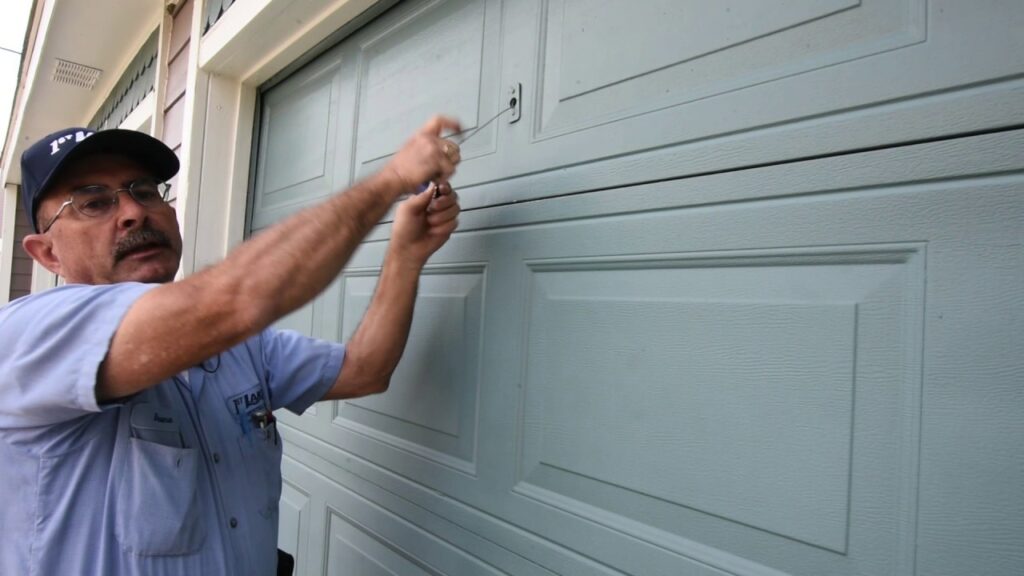
There is nothing quite as frustrating as pulling into your driveway after a long day, only to realize your garage door refuses to budge. Whether it’s a power outage, a snapped spring, or a malfunctioning opener, being locked out of your garage can disrupt your entire routine. If you are wondering how to open a broken garage door from the outside, you are not alone—and more importantly, there are safe, effective ways to regain access without causing further damage.
Understanding Why Your Garage Door Is Stuck
Before attempting any fixes, it is crucial to understand what might be causing the issue. Garage doors are complex mechanical systems involving springs, cables, rollers, and electronic openers. Identifying the root cause helps you choose the right solution and avoid safety hazards.
Common reasons for a stuck garage door include:
- Power failure: The opener has no electricity.
- Broken springs: Torsion or extension springs have snapped.
- Disconnected trolley: The opener carriage has detached from the door.
- Obstructed tracks: Debris or dents prevent smooth movement.
- Faulty remote or sensor: Safety eyes are misaligned or blocked.
According to the International Door Association (IDA), over 30% of garage door service calls are related to spring failures or opener malfunctions. Knowing this statistic underscores the importance of regular maintenance and understanding manual override options.
Method 1: Using the Emergency Release Cord
The most common and safest way to open a broken garage door from the outside is by using the emergency release cord. This red rope hangs from the trolley mechanism that connects the door to the opener rail.
Step-by-Step Guide:
- Locate the emergency release cord. It is usually a red handle attached to a rope hanging near the center of the garage door opener rail. If you cannot see it from outside, you may need to peek through a window or use a flashlight.
- Pull the cord downward firmly. This disengages the trolley from the opener, allowing you to move the door manually.
- Lift the door slowly. Use both hands and lift evenly to avoid jamming. If the door feels extremely heavy, stop immediately—this could indicate a broken spring.
- Secure the door in the open position. Use a clamp or lock to keep it from sliding down unexpectedly.
Pro Tip: If the cord is out of reach, you can use a long stick or coat hanger to hook and pull it down. Never climb on the door or attempt to force it open if it feels stuck.
For more detailed information on garage door mechanics, you can refer to Wikipedia’s article on garage doors.
Method 2: Manual Lifting When the Opener Is Disconnected
If your garage door opener is completely disconnected or non-functional, you can still open the door manually—as long as the springs are intact.
Steps to Follow:
- Ensure the area is clear. Remove any vehicles, tools, or obstacles from the door’s path.
- Grip the bottom edge of the door. Use both hands and stand squarely in front of the door.
- Lift steadily and evenly. Do not jerk or twist the door. A standard single-car garage door weighs between 130–180 pounds, so lift with your legs, not your back.
- Stop if you feel resistance. If the door binds or feels uneven, lower it gently and inspect the tracks for obstructions.
| Scenario | Can You Lift Manually? | Risk Level |
|---|---|---|
| Power outage | Yes | Low |
| Broken spring | No | High |
| Obstructed track | Maybe | Medium |
| Snapped cable | No | High |
Method 3: Accessing Through Side Doors or Windows
If your garage has a side entry door or windows, these can serve as alternative access points. While this does not directly open the main garage door, it allows you to enter the garage and address the issue from the inside.
Considerations:
- Side doors: Often equipped with standard locks. Ensure you have the key or know the combination.
- Windows: Can be used to reach the emergency release cord if visible. Be cautious not to break glass unless absolutely necessary.
This method is particularly useful if the emergency release cord is inaccessible from the outside.
Safety Precautions You Must Know
Attempting to open a broken garage door can be dangerous if proper precautions are not taken. Here are essential safety tips:
- Never attempt to repair broken springs yourself. Torsion springs are under extreme tension and can cause severe injury if mishandled. Always call a professional.
- Wear protective gear. Gloves and safety glasses protect against sharp edges and debris.
- Keep children and pets away. Ensure no one is near the door while you are working on it.
- Do not force the door. If it does not move smoothly, stop and reassess. Forcing it can damage tracks, rollers, or the door itself.
The Consumer Product Safety Commission (CPSC) reports thousands of garage door-related injuries annually, many of which result from improper manual handling or DIY spring repairs. Prioritizing safety is not just advisable—it is essential.
When to Call a Professional
While knowing how to open a broken garage door from the outside is valuable, some situations require expert intervention. Contact a licensed garage door technician if:
- Springs are broken or visibly damaged.
- Cables are frayed or snapped.
- The door is off its tracks.
- You hear unusual grinding or banging noises.
- The door falls rapidly when released.
Professional technicians have the tools and training to handle high-tension components safely. Attempting DIY repairs on these elements can void warranties and pose serious safety risks.
FAQ Section
Q1: Can I open my garage door if the power is out?
Yes. Most garage door openers have an emergency release cord that allows manual operation during power outages. Simply pull the cord to disengage the opener and lift the door by hand.
Q2: What should I do if the emergency release cord is broken?
If the cord is missing or broken, you may need to access the garage through a side door or window. Alternatively, contact a professional technician to replace the cord or repair the opener mechanism.
Q3: Is it safe to lift a garage door manually?
It is safe if the springs are intact and the door moves smoothly. However, if the door feels excessively heavy or uneven, do not attempt to lift it. This could indicate a broken spring, which requires professional repair.
Q4: How much does it cost to repair a broken garage door spring?
Costs vary depending on the type of spring and location, but typically range from $150 to $350. Torsion springs are generally more expensive to replace than extension springs due to their complexity.
Q5: Can I prevent my garage door from breaking?
Regular maintenance can significantly reduce breakdowns. Lubricate moving parts every six months, inspect springs and cables for wear, and test the auto-reverse feature monthly. Annual professional inspections are also recommended.
Q6: What if my garage door won’t stay open?
If the door slides down after being lifted, the springs are likely broken or improperly balanced. Do not attempt to fix this yourself. Call a professional to replace or adjust the springs safely.
Conclusion
Learning how to open a broken garage door from the outside empowers you to handle unexpected situations with confidence. Whether you use the emergency release cord, lift the door manually, or access through alternate entries, prioritizing safety is paramount. Remember, while minor issues can often be resolved independently, complex problems like broken springs demand professional expertise.
If you found this guide helpful, share it with friends and family on social media. You never know who might need this lifesaving information during their next garage door emergency
Leave a Reply