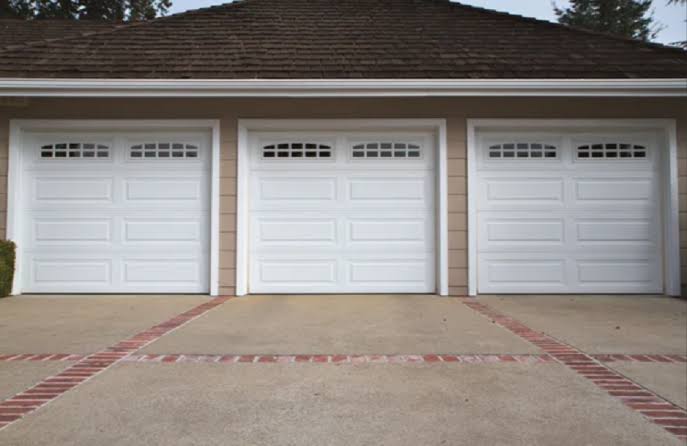
Dealing with a malfunctioning garage door is incredibly frustrating, especially when you are worried about the massive cost of a brand-new system. If you want to protect your investment, learning how to minimize the need for garage door replacement is the smartest move you can make for your home. Let us walk you through simple, proven strategies to keep your door running smoothly for decades.
How To Minimize The Need For Garage Door Replacement Through Routine Care
Think of your garage door like the engine of your car; if you never change the oil, it will eventually break down. A standard residential garage door consists of hundreds of moving parts that endure heavy friction and extreme weather daily.
According to the International Door Association (IDA), routine preventative maintenance can extend a garage door’s operational lifespan by up to 10 years. The mechanical system of a garage door relies heavily on springs, cables, and rollers working in perfect harmony. When one component is neglected, the entire system compensates, leading to premature wear and catastrophic failure. By adopting a proactive mindset, you shift from expensive emergency repairs to simple, low-cost upkeep.
How Often Should You Lubricate and Inspect the Moving Parts?
Friction is the number one enemy of your garage door system. Without proper lubrication, metal grinds against metal, wearing down rollers and straining the opener motor.
Here is a concrete, step-by-step tutorial to lubricate your door properly:
- Clean the Tracks First: Before applying any lubricant, wipe down the metal tracks with a damp microfiber cloth to remove built-up grime.
- Choose the Right Lubricant: Use a silicone-based spray or white lithium grease. Never use standard WD-40, as it is a solvent that will strip away existing grease and attract more dirt.
- Apply to Moving Parts: Spray the hinges, roller bearings, and the torsion spring (lightly). Use exactly two to three short sprays per hinge to avoid excess buildup.
- Let it Penetrate: Wait five minutes after application, then wipe away any dripping excess with a clean rag.
Pro Tip: Perform this lubrication process exactly every six months. The ideal times are early spring (before the humid summer) and late fall (before the freezing winter).
What Are the Early Warning Signs of Garage Door Wear and Tear?
Catching a minor issue before it becomes a major disaster is the secret to minimizing the need for garage door replacement. Pay close attention to these specific warning signs:
- Unusual Noises: A healthy door operates with a low hum. If you hear loud grinding, squeaking, or banging, your rollers are likely worn out or your tracks are misaligned.
- Slow Response Time: If the door takes more than 3 seconds to engage after you press the remote, the opener’s gears may be stripping.
- Uneven Movement: If one side of the door hangs noticeably lower than the other, your torsion springs are losing tension or a cable has slipped off the drum.
- Visible Cable Fraying: Inspect the lifting cables closely. If you see individual wire strands poking out, the cable is under stress and could snap at any moment.
Preventative Maintenance vs. Full Replacement: A Cost Comparison
Many homeowners delay maintenance because they view it as an unnecessary chore. However, the financial benefits are undeniable. Let us look at the hard data comparing routine upkeep against a full system replacement.
| Feature | Preventative Maintenance | Full System Replacement |
|---|---|---|
| Average Annual Cost | $100 – $150 (DIY or pro tune-up) | $1,200 – $3,000+ (Materials & Labor) |
| Time Investment | 1 to 2 hours, bi-annually | 1 to 2 full days of installation |
| Lifespan Extension | Adds 5 to 10 years to current door | Resets clock to 20 to 30 years |
| DIY Friendly? | Yes, mostly (except spring tension) | No, requires licensed professionals |
| Home Disruption | Minimal (door remains usable) | High (garage is inaccessible for days) |
As the table illustrates, spending a few hours and a minimal amount of money on maintenance yields a massive return on investment by delaying a multi-thousand-dollar purchase.
How to Balance and Test Your Garage Door Safely
An unbalanced garage door forces the opener motor to do all the heavy lifting, which will burn out the motor in a matter of months. Testing the balance is a crucial step in minimizing the need for garage door replacement.
Follow these exact steps to test your door’s balance safely:
- Disconnect the Opener: Locate the red emergency release cord hanging from the opener carriage. Pull it firmly downward to disengage the motor.
- Manually Lift the Door: Grab the bottom handle and lift the door halfway up (about 3 to 4 feet off the ground).
- Release and Observe: Let go of the door completely and step back.
- Evaluate the Result: If the door stays perfectly in place, it is balanced. If it slides back down or shoots upward, your springs are improperly calibrated.
Safety Warning: Torsion springs are under extreme mechanical tension—enough to lift thousands of pounds. Never attempt to adjust or replace torsion springs yourself. Always hire a certified technician to adjust them to the exact manufacturer specifications.
How Does Local Weather Impact Your Garage Door’s Lifespan?
Environmental factors play a massive role in how quickly your door degrades. In regions with harsh winters, metal tracks can contract and freeze, causing the opener to strain and strip its gears when forced open. Conversely, in highly humid or coastal areas, salt air and moisture can cause steel components to rust and wooden doors to warp or rot.
To combat weather-related wear, inspect your bottom weatherstripping every year. If the rubber is cracked, brittle, or letting in drafts, replace it immediately. This simple $20 part keeps moisture, pests, and extreme temperatures out of your garage, protecting both the door mechanism and the items stored inside.
Frequently Asked Questions (FAQ)
1. Can I use standard WD-40 to lubricate my garage door?
No, you should avoid using standard WD-40. While it is a great cleaner and rust penetrant, it is not a true lubricant. In fact, it will strip away the existing heavy grease on your door and leave a sticky residue that attracts dust and dirt, ultimately causing more friction. Always opt for a dedicated silicone spray or white lithium grease.
2. How long do garage door torsion springs typically last?
Torsion springs are rated by “cycles” (one cycle equals one full open and close). A standard spring is rated for 10,000 cycles, which translates to roughly 7 to 10 years of average daily use. If you use your door more frequently, you can purchase heavy-duty springs rated for 20,000 or even 30,000 cycles to double their lifespan.
3. Does the material of my garage door affect how much maintenance it needs?
Yes, significantly. Steel doors are highly durable but require rust prevention and regular hardware lubrication. Wooden doors require the most maintenance, as they must be repainted or resealed every few years to prevent warping, cracking, and rot from moisture. Aluminum and fiberglass doors are highly resistant to rust and dents, making them the lowest maintenance options available.
4. When is it impossible to minimize the need for replacement?
Maintenance can only do so much. You will need to abandon repair efforts and opt for a full replacement if:
- The door panels are severely dented, cracked, or rotting, compromising your home’s security and insulation.
- The metal tracks are permanently bent or twisted beyond realignment.
- The cost of repairing multiple failing components exceeds 50% of the cost of a brand-new door system.
5. Is it worth paying for a professional maintenance tune-up?
Absolutely. While DIY lubrication is great, a professional technician can spot microscopic wear on cables, test the auto-reverse safety sensors to ensure they meet legal standards, and safely adjust spring tension. Hiring a pro for an annual tune-up (usually costing between $80 and $120) is the ultimate insurance policy against premature replacement.
Conclusion
Taking care of your home’s most massive moving part does not have to be a daunting task. By committing to bi-annual lubrication, keeping a watchful eye for warning signs, and understanding how to test the door’s balance, you can easily minimize the need for garage door replacement. These simple habits will keep your family safe, secure your home, and keep your hard-earned money in your wallet for years to come.
Found these expert tips helpful? Please share this article on your Facebook, X (Twitter), or Pinterest to help your friends and family save money on their home maintenance!
Leave a Reply