Introduction
Imagine coming home after a long day, ready to park your car, only to find your garage door stuck halfway open. The motor hums, but the door doesn’t budge. Upon inspection, you notice the chain has snapped or derailed. It’s a frustrating and potentially scary situation, especially if it’s late at night or raining. You are not alone; mechanical failures like this are among the most common garage door issues homeowners face.
Knowing how to manually close garage door with broken chain is an essential skill for any homeowner. It ensures your home remains secure and your vehicle is protected from the elements while you wait for professional repairs. This guide will walk you through the process safely, efficiently, and without causing further damage to your garage door system.
Understanding the Garage Door Chain Mechanism
Before attempting any fix, it is crucial to understand what role the chain plays in your garage door opener. Most modern garage door openers use either a chain, belt, or screw drive to transfer power from the motor to the trolley, which then moves the door along the tracks.
The chain is durable and cost-effective, but it is prone to wear and tear over time. When the chain breaks, the connection between the motor and the door is severed. This means the motor can run, but it cannot lift or lower the door. In some cases, a broken chain can also jam the mechanism, making manual operation difficult if not handled correctly.
According to the International Association of Certified Home Inspectors, regular maintenance of garage door components, including chains and springs, can prevent up to 70% of unexpected failures. However, when failure does occur, knowing how to respond is key.
Safety First: Precautions Before You Begin
Attempting to manually operate a garage door with a broken chain can be dangerous if proper precautions are not taken. Garage doors are heavy, often weighing between 130 to 400 pounds, and they rely on high-tension springs to counterbalance this weight.
- Disconnect the Power: Always unplug the garage door opener or turn off the circuit breaker before attempting any manual operation. This prevents the motor from accidentally engaging while you are working on the door.
- Clear the Area: Ensure no people, pets, or objects are under or near the garage door path.
- Wear Protective Gear: Use gloves to protect your hands from sharp metal edges and grease. Safety glasses are also recommended to protect your eyes from debris.
- Check the Springs: If the torsion springs (located above the door) or extension springs (on the sides) appear damaged or broken, do not attempt to move the door. Broken springs make the door extremely heavy and unpredictable. Call a professional immediately.
Step-by-Step Guide: How To Manually Close Garage Door With Broken Chain
Follow these detailed steps to safely close your garage door when the chain is broken.
Step 1: Locate the Emergency Release Cord
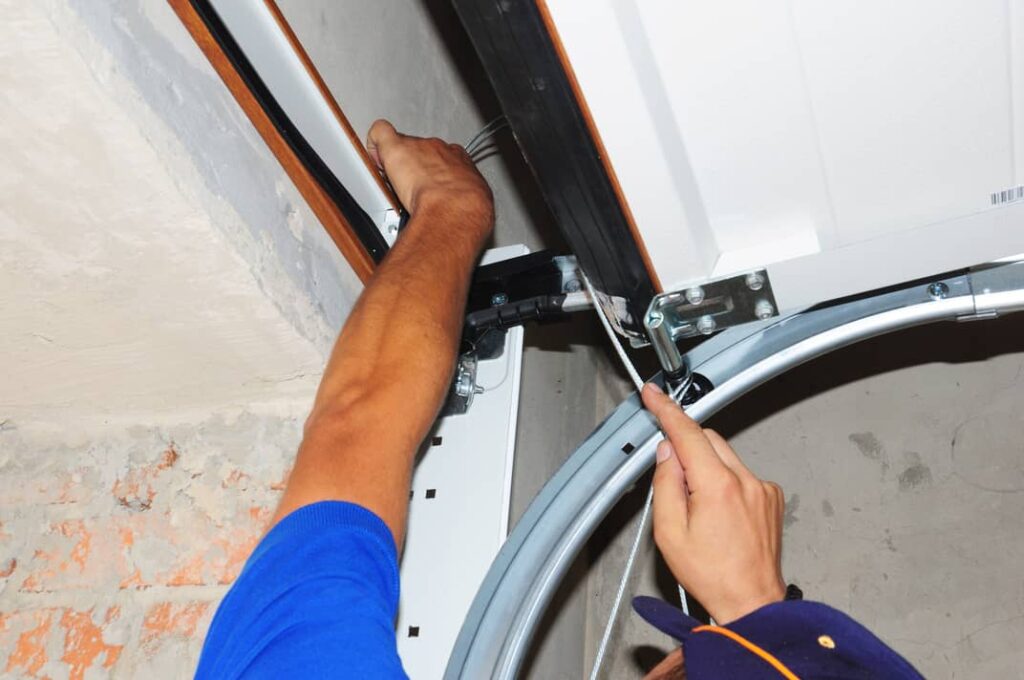
Most garage door openers have an emergency release mechanism. This is typically a red cord with a handle hanging from the trolley assembly on the rail.
- Find the red cord hanging from the center of the rail.
- Pull the cord down firmly. You should hear a click, indicating that the trolley has disengaged from the opener carriage.
- This action disconnects the door from the motor assembly, allowing it to move freely along the tracks.
Step 2: Inspect the Chain and Trolley
Before moving the door, check the condition of the broken chain.
- If the chain is dangling loosely, ensure it is not tangled in the gears or sprockets.
- If the chain is jammed, you may need to carefully remove it from the sprocket using pliers. Be gentle to avoid damaging the gear teeth.
- Ensure the trolley moves smoothly along the rail. If it feels stuck, do not force it. Lubricate the rail with a silicone-based lubricant if necessary.
Step 3: Lower the Door Slowly and Evenly
Now that the door is disconnected from the opener, you can manually lower it.
- Stand inside the garage, facing the door.
- Grip the bottom edge of the door or the handle if one is installed.
- Lift the door slightly to relieve pressure on the locks, then slowly guide it downward.
- Important: Keep the door level as you lower it. If one side drops faster than the other, stop immediately. This could indicate a spring issue or track misalignment.
- Lower the door all the way to the ground.
Step 4: Secure the Door from the Inside
Once the door is closed, it is not locked by the automatic opener mechanism. You must secure it manually.
- Engage any manual locking bars or latches installed on the inside of the door.
- If your door does not have internal locks, consider using a C-clamp or vice grips on the track just below the bottom roller. This prevents the door from being lifted from the outside.
- Test the security by gently trying to lift the door from the inside. It should not move.
Step 5: Prevent External Access
Since the automatic opener is disabled, ensure no one can enter through the garage.
- Lock any side doors leading into the garage.
- If you have a smart garage door controller, disable remote access via the app to prevent accidental activation attempts.
- Inform household members not to use the wall button or remote controls until the repair is complete.
Troubleshooting Common Issues During Manual Closure
Even with a broken chain, you might encounter additional problems. Here is how to handle them:
| Issue | Possible Cause | Solution |
|---|---|---|
| Door is too heavy to lift/lower | Broken torsion or extension spring | Do not force it. Call a professional technician immediately. |
| Door binds or sticks in tracks | Misaligned tracks or obstructed rollers | Inspect tracks for debris. Gently tap rollers with a rubber mallet to free them. |
| Emergency release won’t disengage | Jammed trolley or corroded mechanism | Apply lubricant to the release mechanism. If still stuck, consult a pro. |
| Door falls too quickly | Unbalanced door or spring tension loss | Support the door carefully. Do not let go. Seek professional help. |
When to Call a Professional
While knowing how to manually close garage door with broken chain is useful for immediate security, it is not a permanent fix. You should contact a licensed garage door technician if:
- The chain broke due to age and wear, indicating other parts may also be near failure.
- You notice unusual noises, such as grinding or squeaking, from the motor or tracks.
- The door is unbalanced or difficult to move even after disengaging the opener.
- You are uncomfortable performing any of the steps above.
Professional repair typically involves replacing the chain, inspecting the sprockets, and testing the safety sensors. According to industry standards, a full tune-up and chain replacement can cost between $150 and $350, depending on your location and the type of opener.
FAQ Section
Q1: Can I reconnect the chain myself?
A: Reconnecting a broken chain is possible if you have mechanical skills and the right tools. However, it requires adjusting the tension and aligning the sprockets correctly. If done improperly, it can lead to further damage or safety hazards. For most homeowners, hiring a professional is recommended.
Q2: Is it safe to leave the garage door disconnected from the opener?
A: Yes, it is safe to leave the door disconnected temporarily. However, ensure it is securely locked from the inside. Remember that the automatic reversal safety features will not work while the door is disconnected.
Q3: Why did my garage door chain break?
A: Common causes include lack of lubrication, normal wear and tear over time, excessive tension, or a malfunctioning motor that puts undue stress on the chain. Regular maintenance can extend the life of your chain significantly.
Q4: Can I use the garage door remote while the chain is broken?
A: No. Using the remote will only run the motor, which will not move the door since the chain is broken. This can overheat the motor and cause electrical damage. Always keep the opener unplugged or disabled.
Q5: How often should I maintain my garage door chain?
A: Experts recommend inspecting and lubricating your garage door chain every six months. Use a white lithium grease or silicone-based lubricant specifically designed for garage doors. Avoid using WD-40 as it can attract dust and grime.
Q6: What if the emergency release cord is missing?
A: If the emergency release cord is missing, you may need to manually disengage the trolley using a pair of pliers or a screwdriver. Look for the lever mechanism on the trolley and carefully push it to the “disengaged” position. If you are unsure, call a professional to avoid injury.
Conclusion
Dealing with a broken garage door chain can be stressful, but knowing how to manually close garage door with broken chain empowers you to handle the situation calmly and safely. By following the steps outlined above—disconnecting the power, using the emergency release, and securing the door—you can protect your home and vehicle until professional help arrives.
Remember, safety is paramount. Never attempt to repair high-tension springs or complex mechanical issues without proper training. Regular maintenance is the best prevention against future breakdowns.
If you found this guide helpful, please share it with your friends and family on social media. You never know who might need this lifesaving information during an emergency! Stay safe and keep your garage secure.
Leave a Reply