Introduction
Pulling the red emergency release cord on your garage door opener can be a moment of panic, usually occurring during a power outage or mechanical failure. While this mechanism allows you to operate the door manually, many homeowners are left wondering how to lock a garage door after pulling red cord to ensure their property remains secure against intruders. Without the automatic locking feature of the motor, your garage is vulnerable, making it essential to understand manual securing methods immediately. In this comprehensive guide, we will walk you through safe, effective steps to re-engage your system or apply temporary locks, ensuring your peace of mind while maintaining compliance with safety standards.
Understanding the Red Emergency Release Cord
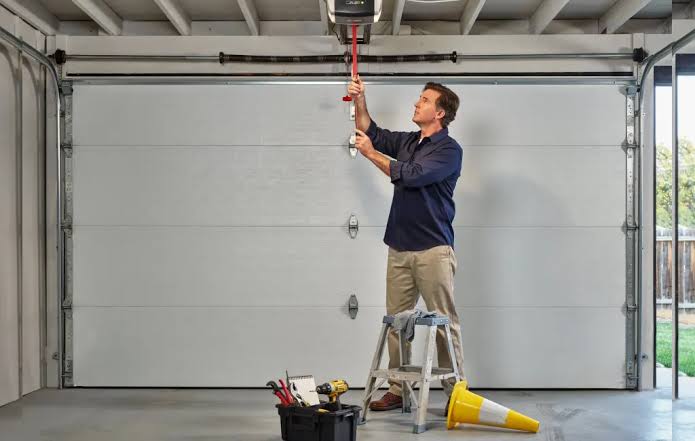
Before diving into locking procedures, it is vital to understand what happens when you pull that red handle. The emergency release cord disconnects the trolley (the part attached to the motor) from the carriage (the part attached to the door). This disengagement allows the door to move freely along the track without motor resistance.
According to safety guidelines documented on Wikipedia, this mechanism is a mandatory safety feature designed to prevent entrapment and allow manual operation during emergencies. However, this freedom of movement also means the automatic locking bolt found on many belt-drive and chain-drive openers is no longer engaged. When disconnected, nothing physically stops someone from lifting the door from the outside unless you take specific manual precautions.
Why Security Is Compromised After Disconnection
When the trolley is disconnected, the “auto-lock” feature is bypassed. Most modern openers have a solenoid lock that engages only when the trolley is in the closed position and connected to the motor. Once you pull the cord:
- The mechanical link between the motor’s lock and the door is severed.
- The door relies solely on its weight and friction to stay down.
- External lift handles or weak points become accessible targets.
Understanding this vulnerability is the first step in learning how to lock a garage door after pulling red cord effectively.
Step-by-Step: How To Lock A Garage Door After Pulling Red Cord
If you have pulled the cord and need to secure the door immediately, follow these precise steps. Safety is paramount; garage doors are heavy and under high spring tension.
Step 1: Ensure the Door Is Fully Closed
You cannot securely lock a partially open door. Stand inside the garage and lower the door completely until it sits flush against the concrete floor. Check the bottom seal to ensure there are no gaps where tools could be inserted to lever the door upward.
Step 2: Re-engage the Trolley (The Primary Solution)
The most effective way to restore security is to reconnect the opener. This restores the automatic lock function.
- Locate the emergency release cord and the trolley arm hanging from the rail.
- Pull the cord toward the motor unit while simultaneously pushing the trolley toward the door arm.
- You should hear and feel a distinct “click” indicating the latch has re-engaged.
- Test the connection by pressing the wall button. If the motor moves the door, the lock mechanism is restored.
⚠️ Critical Safety Warning: Never attempt to re-engage the trolley while the door is moving. Always ensure the door is stationary and fully closed before attempting to reconnect the carriage.
Step 3: Apply Manual Locks (If Re-engagement Fails)
If the opener is broken or you lack power, you must use physical barriers. Here are the three most reliable manual locking methods:
Method A: Interior Slide Bolt Lock
Most garage doors come pre-drilled for slide bolts. If yours has them:
- Locate the bolt handles on the interior side of the door sections (usually the second panel from the bottom).
- Slide the metal bolt horizontally into the track slot or the dedicated receiver bracket.
- Use a padlock through the bolt hole for added security against forced entry.
Method B: Floor Anchor Lock
For maximum security when the opener is non-functional:
- Install a floor-mounted deadbolt or anchor lock (requires prior installation).
- Lower the door and align the lock cylinder with the floor receiver.
- Turn the key or engage the thumb turn to bolt the door directly to the foundation.
Method C: Track Clamp (Temporary Emergency Fix)
If you have no built-in locks and need an immediate solution:
- Take a sturdy C-clamp or locking pliers (Vise-Grips).
- Place the clamp on the vertical track just above one of the bottom rollers.
- Tighten securely. This physically prevents the roller from moving up the track, effectively locking the door in place.
Comparison: Manual Locking Methods
| Locking Method | Security Level | Installation Effort | Best Use Case |
|---|---|---|---|
| Trolley Re-engagement | High (Restores Auto-Lock) | Low (Seconds) | Power outages, accidental pulls |
| Interior Slide Bolt | Medium-High | None (If pre-installed) | Daily manual security |
| Floor Anchor Deadbolt | Very High | High (Drilling required) | Long-term security, vacation |
| Track Clamp / Vise-Grip | Medium (Temporary) | Low | Emergency stopgap only |
Expert Tips for Maintaining Garage Door Security
Securing your door after an emergency release is reactive; proactive maintenance prevents future vulnerabilities. Industry data suggests that over 70% of garage break-ins occur due to unsecured access points or malfunctioning openers.
- Lubricate the Release Mechanism Annually: A stiff cord can accidentally disengage during vibration. Use white lithium grease on the trolley latch to ensure smooth, intentional operation only.
- Install a Smart Garage Controller: Devices like MyQ or Tailwind provide real-time alerts if your door opens unexpectedly or if the safety sensors are misaligned.
- Check Spring Tension Regularly: A door that is too heavy to close manually increases the risk of injury during emergency operations. If the door doesn’t stay put when lifted halfway, call a professional immediately.
- Never Leave the Remote in Your Car: If thieves break into your vehicle, they gain instant access to your garage. Use a visor clip or keep the remote on your keychain.
Frequently Asked Questions (FAQ)
Can I lock my garage door from the outside after pulling the red cord?
Generally, no. The red cord is an interior safety mechanism. Once disconnected, exterior keypads and remotes will not operate the door or engage locks. You must either re-engage the trolley from inside or install an external keyed deadbolt specifically designed for manual garage doors. Relying solely on exterior electronic controls after a manual release is a common security oversight.
Is it safe to use a C-clamp as a permanent lock?
No. A C-clamp or Vise-Grip on the track is strictly a temporary emergency measure. Prolonged use can damage the track, deform the rollers, and void your manufacturer’s warranty. It also lacks the shear strength of a proper deadbolt and can be defeated with significant force. Invest in a proper slide bolt or floor anchor for long-term security.
Will pulling the red cord damage my garage door opener?
Pulling the cord itself does not damage the opener; it is designed for this purpose. However, re-engaging it incorrectly can cause harm. Forcing the trolley back into place while the motor is running or the door is misaligned can strip gears or burn out the logic board. Always ensure the door is fully closed and the motor is idle before reconnection.
How do I know if my trolley is properly re-engaged?
After pushing the trolley back toward the door arm, you should hear an audible click. Visually confirm that the release lever has returned to its horizontal (locked) position rather than hanging vertically. The definitive test is operating the opener via the wall console; if the motor runs but the door doesn’t move, the trolley is still disconnected.
What if the red cord breaks off entirely?
A broken release cord is a safety hazard and should be replaced immediately. Do not attempt to jury-rig a replacement with string or wire, as these materials may not withstand the tension required for emergency release. Contact a certified garage door technician to install an OEM-compliant replacement cord and inspect the trolley assembly for wear.
Does homeowner’s insurance cover garage door theft after manual release?
Coverage varies significantly by policy. Most standard policies cover theft, but insurers may deny claims if negligence is proven—such as leaving a door knowingly unsecured after a mechanical failure. Documenting that you took reasonable steps to secure the door (e.g., using manual locks or clamps) strengthens any potential claim. Always review your policy’s “duty to protect” clause.
Conclusion
Knowing how to lock a garage door after pulling red cord is an essential skill for every homeowner. Whether you simply re-engage the trolley to restore automatic security or apply manual locks during an extended outage, taking immediate action protects your family and belongings. Remember that the red cord is a safety device, not a convenience feature, and should only be used when necessary.
We hope this guide has empowered you to handle garage door emergencies with confidence and competence. Found this article helpful? Share it on Facebook, X (Twitter), or Pinterest to help other homeowners stay secure! Your proactive approach to home safety makes a difference in your community. Stay safe, stay secure, and never hesitate to call a professional when in doubt.
Leave a Reply