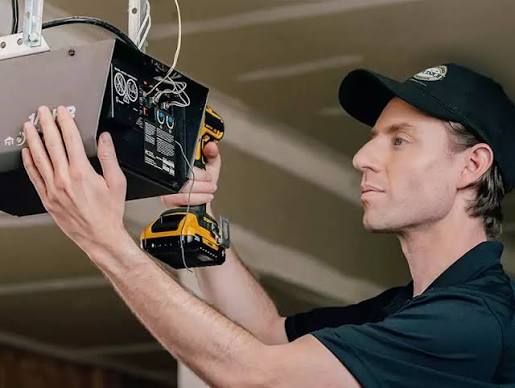
Choosing the right garage door opener can feel overwhelming given the myriad of options available today. You want reliability, security, and convenience, but technical specifications like horsepower and drive types often leave homeowners scratching their heads. If you are wondering how to know which garage door opener to buy, you are not alone; this guide breaks down everything you need to make an informed decision without the stress.
Understanding the Core Types of Drive Systems
The first step in determining how to know which garage door opener to buy is understanding the mechanism that lifts your door. The “drive system” refers to the method the opener uses to move the trolley along the rail. There are three primary types, each with distinct advantages and drawbacks regarding noise, maintenance, and cost.
1. Chain Drive Openers
Chain drive openers are the most common and traditional type found in American homes. They use a metal chain, similar to a bicycle chain, to pull the trolley that opens and closes the door.
- Pros: They are highly durable, affordable, and capable of lifting heavy doors with ease.
- Cons: They are notoriously noisy. The metal-on-metal contact creates a rattling sound that can be disruptive if your garage is attached to your home or if bedrooms are located above the garage.
2. Belt Drive Openers
Belt drive openers use a steel-reinforced rubber belt instead of a metal chain. This design was created specifically to address the noise issue associated with chain drives.
- Pros: They are incredibly quiet and smooth. If you have a living space above your garage or work from home, this is often the preferred choice. They also require less lubrication than chain drives.
- Cons: They are generally more expensive than chain drives. While durable, the belt may need replacement after many years of use, though modern belts last a long time.
3. Screw Drive Openers
Screw drive openers use a threaded steel rod that rotates to move the trolley. This system has fewer moving parts, which can translate to lower maintenance needs.
- Pros: They perform well in extreme temperatures because they have fewer components that can be affected by cold or heat. They are also relatively quiet, though not as silent as belt drives.
- Cons: They require regular lubrication to keep the screw thread functioning smoothly. They are less common in new installations compared to chain and belt drives.
| Feature | Chain Drive | Belt Drive | Screw Drive |
|---|---|---|---|
| Noise Level | High | Very Low | Medium |
| Cost | Low | High | Medium |
| Maintenance | Moderate | Low | High (Lubrication) |
| Durability | Excellent | Good | Good |
| Best For | Detached garages | Attached garages | Extreme climates |
Determining the Right Horsepower for Your Door
Once you have selected a drive type, you must consider power. Horsepower (HP) determines how much weight the opener can lift efficiently. Choosing too little power will strain the motor, while too much is unnecessary expense.
- ½ HP: This is the standard for most single-car garage doors made of lightweight materials like aluminum or thin steel. It is sufficient for doors up to 7 feet tall.
- ¾ HP: This is the recommended choice for most two-car garage doors or heavier single doors made of wood or insulated steel. It provides smoother operation and longer motor life.
- 1+ HP: Reserved for extra-heavy custom doors, such as solid wood or large carriage-style doors. If your door is unusually heavy, consult the manufacturer’s specifications.
According to industry standards, opting for a slightly higher horsepower than strictly necessary can extend the lifespan of your opener by reducing strain on the motor during daily cycles.
Key Features That Enhance Security and Convenience
Modern garage door openers are no longer just motors; they are smart home hubs. When evaluating how to know which garage door opener to buy, consider these critical features:
Smart Connectivity
Wi-Fi-enabled openers allow you to control your garage door via a smartphone app. You can check if the door is closed while at work, open it for deliveries, or grant temporary access to guests. Look for models compatible with Amazon Alexa, Google Assistant, or Apple HomeKit for seamless integration.
Battery Backup
Power outages do not wait for convenient times. A garage door opener with a battery backup ensures you can still open and close your door during a blackout. This is crucial for safety and accessibility, especially in areas prone to storms.
Security Rolling Codes
Older openers used fixed codes, making them vulnerable to hacking. Modern openers use rolling code technology, which changes the access code every time the remote is used. This significantly enhances security against code-grabbing thieves. For more information on encryption standards, you can refer to general security protocols outlined on Wikipedia.
LED Lighting
Integrated LED lights provide brighter, longer-lasting illumination than traditional incandescent bulbs. Some advanced models offer motion-activated lighting that turns on when you enter the garage, enhancing safety and convenience.
Installation Considerations: DIY vs. Professional
Deciding whether to install the opener yourself or hire a professional depends on your comfort level with tools and electrical work.
- Time Commitment: Expect to spend 4–6 hours.
- Tools Needed: Drill, wrenches, ladder, and possibly a second person to help hold the rail.
- Risk: Incorrect installation can lead to premature wear or safety hazards. Most manufacturers provide detailed manuals, and online video tutorials are widely available.
Professional Installation:
- Cost: Typically ranges from $150 to $300 on top of the unit price.
- Benefits: Ensures correct alignment, proper tensioning of springs (if applicable), and validation of warranty. Professionals can also dispose of your old opener responsibly.
If your existing garage door springs are torsion springs (located above the door), exercise extreme caution. These springs are under high tension and can cause serious injury if mishandled. In such cases, professional installation is strongly recommended.
FAQ Section
Q1: How long do garage door openers typically last?
A: Most garage door openers last between 10 to 15 years with regular maintenance. Belt drive models may last slightly longer due to less vibration and wear on internal components. Regularly lubricating moving parts and testing safety features can extend this lifespan.
Q2: Can I use my old remote with a new opener?
A: Generally, no. New openers use different frequencies and rolling code technologies for security. However, some universal remotes can be programmed to work with multiple brands. It is best to use the remotes provided with your new unit to ensure full compatibility and security.
Q3: What is the difference between AC and DC motors?
A: AC (Alternating Current) motors are traditional, powerful, and simpler in design. DC (Direct Current) motors are newer, quieter, and often include soft-start/soft-stop features that reduce wear on the door. DC motors are also more energy-efficient and are commonly found in belt drive models.
Q4: Is a Wi-Fi-enabled opener secure?
A: Yes, reputable brands use encryption and rolling codes to protect Wi-Fi-enabled openers. However, it is essential to keep your home Wi-Fi network secure with a strong password and to update the opener’s firmware regularly to patch any potential vulnerabilities.
Q5: How often should I maintain my garage door opener?
A: Perform a basic inspection every six months. Check the auto-reverse safety feature by placing a 2×4 piece of wood on the ground under the door; the door should reverse upon contact. Lubricate chain or screw drives annually, and tighten any loose hardware.
Conclusion
Knowing how to know which garage door opener to buy comes down to balancing your specific needs with budget and features. For quiet operation, choose a belt drive; for durability and value, a chain drive is excellent. Ensure you select the appropriate horsepower for your door’s weight and prioritize smart features like battery backup and Wi-Fi connectivity for modern convenience.
By considering these factors, you can invest in an opener that provides years of reliable service. Don’t forget to share this guide with friends or family who might be facing the same dilemma—helping them make a smarter choice is just a click away!
Leave a Reply