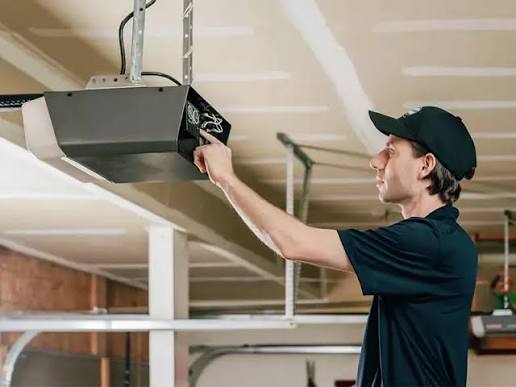
Choosing the right garage door opener can feel overwhelming when you are faced with terms like “horsepower,” “belt drive,” and “DC motor.” Many homeowners make the mistake of buying the cheapest option, only to find it struggles to lift their heavy wooden door or burns out within a year. If you are wondering how to know what size garage door opener to buy, you are in the right place to make an informed, long-lasting investment.
The “size” of a garage door opener primarily refers to its motor power, measured in horsepower (HP), and its compatibility with your door’s weight and material. Getting this wrong doesn’t just mean inconvenience; it means safety risks and premature equipment failure. In this guide, we will break down the technical specifications into simple, actionable steps so you can choose the perfect opener for your home.
Why Horsepower Matters More Than You Think
When manufacturers talk about the “size” of an opener, they are almost always referring to the motor’s lifting capacity. This is not about physical dimensions but rather raw power. Using an underpowered motor on a heavy door forces the engine to work harder than designed, leading to overheating, stripped gears, and eventual breakdown.
According to industry standards, most residential garage door openers range from ½ HP to 1¼ HP. While it might be tempting to go with the lowest number to save money, matching the HP to your door’s weight is critical for longevity. A properly sized opener operates smoothly, quietly, and lasts significantly longer because it is not operating at its maximum limit every time you press the remote.
Matching Opener Power to Your Door Type
The single most important factor in determining the right size is the material and weight of your garage door. Different materials have vastly different densities and weights, even if the doors are the same standard size (usually 7×7 feet or 8×7 feet for single cars).
Here is a general guideline to help you match your door type to the required horsepower:
| Door Material | Estimated Weight (Single Door) | Recommended Opener Size | Best Use Case |
|---|---|---|---|
| Aluminum/Thin Steel | 100–150 lbs | ½ HP | Light-duty, infrequent use |
| Standard Steel | 150–250 lbs | ½ HP to ¾ HP | Most common residential homes |
| Wood/Composite | 250–400+ lbs | ¾ HP to 1 HP | Heavy aesthetic doors, cold climates |
| Insulated Steel | 200–300 lbs | ¾ HP | Energy-efficient homes, noise reduction |
| Double Carriage Wood | 400–600+ lbs | 1 HP to 1¼ HP | Large custom doors, high frequency |
Note: These weights are estimates. Always check your specific door’s manual or weigh it if possible.
If you have a standard, non-insulated steel door, a ½ HP opener is usually sufficient. However, if you have a beautiful but heavy solid wood door, or a double-car door made of insulated steel, you should strongly consider stepping up to a ¾ HP or 1 HP model. The extra cost is minimal compared to the strain it saves on the motor.
Understanding Drive Types: Belt, Chain, and Screw
While horsepower determines if the opener can lift the door, the drive type determines how it lifts it. This affects noise levels, maintenance requirements, and durability. When learning how to know what size garage door opener to buy, you must also consider the mechanism that transfers the motor’s power to the door.
1. Chain Drive
This is the traditional, most common, and most affordable option. It uses a metal chain similar to a bicycle chain.
- Pros: Durable, powerful, low cost.
- Cons: Noisy. The metal-on-metal grinding can be loud, which is problematic if your garage is attached to your house or has bedrooms above it.
- Best For: Detached garages or budget-conscious buyers with standard steel doors.
2. Belt Drive
Belt drives use a steel-reinforced rubber belt. They are increasingly popular in modern homes.
- Pros: Extremely quiet operation, smooth movement, less vibration.
- Cons: Slightly more expensive than chain drives; belts may need replacement after many years (though modern ones last a long time).
- Best For: Attached garages, homes with living spaces above the garage, or anyone who values silence.
3. Screw Drive
This system uses a threaded steel rod that rotates to move the trolley.
- Pros: Fewer moving parts, requires less lubrication, good performance in extreme temperatures.
- Cons: Can be noisy over time as the screw wears; generally slower than belt or chain.
- Best For: Areas with significant temperature fluctuations where lubrication might freeze or dry out.
For most US homeowners today, belt drives are recommended if the budget allows, simply due to the comfort factor of a quiet home. You can read more about the mechanical history and evolution of these systems on Wikipedia’s Garage Door Opener page.
The Impact of Climate and Usage Frequency
Your local environment plays a surprising role in sizing your opener. If you live in a region with harsh winters, such as the Midwest or Northeast, your garage door components contract and become stiffer. Lubricants thicken, and tracks may shift slightly.
In these conditions, a ¾ HP opener is often a smarter choice than a ½ HP, even for lighter doors. The extra torque helps overcome the initial resistance of a cold, stiff door. Similarly, if you use your garage as a primary entry point—opening and closing the door 4–6 times a day—you are putting significantly more wear on the motor than someone who uses it twice a week. High-frequency usage demands a higher-quality motor with a DC (Direct Current) drive, which offers soft-start and soft-stop features to reduce mechanical shock.
Step-by-Step Guide to Measuring and Buying
Now that you understand the theory, here is a practical, step-by-step process to ensure you buy the right size.
- Identify Your Door Material: Look at your door. Is it thin metal, thick insulated steel, or solid wood? If unsure, knock on it. A hollow sound indicates thin steel; a solid thud indicates wood or insulation.
- Check the Existing Opener (If Replacing): Look at the label on your current motor unit. It will list the HP. If it has struggled or been noisy, consider upgrading by one half-horsepower increment (e.g., from ½ to ¾).
- Measure the Headroom: Ensure you have enough space above the door track for the new opener. Most modern units require about 10–12 inches of clearance above the highest point of the door travel.
- Determine Your Noise Tolerance: Stand in your kitchen or living room while someone opens the garage. If it’s disruptive, prioritize a Belt Drive. If it’s detached, a Chain Drive is fine.
- Look for Safety Features: Regardless of size, ensure the opener has automatic reverse sensors (photo-eye sensors) and battery backup. Battery backup is crucial in the US, where power outages during storms can trap your car inside.
Common Mistakes to Avoid
- Ignoring the Springs: The opener does not lift the entire weight of the door; the torsion springs do most of the work. The opener merely guides it. If your springs are broken or weak, no amount of horsepower will fix the problem safely. Always inspect springs first.
- Buying Based on Brand Alone: While brands matter, specifications matter more. A ½ HP from a premium brand is still only ½ HP. Do not pay for a brand name if the specs don’t match your door’s weight.
- Overlooking Wi-Fi Compatibility: Modern smart home integration is valuable. Ensure the opener you buy is compatible with apps like MyQ, Alexa, or Google Home if you want to monitor your garage status remotely.
FAQ Section
Q1: Can I use a ½ HP opener for a double-car garage door?
It is possible if the door is made of lightweight aluminum or thin, non-insulated steel. However, for most double-car doors, especially those that are insulated or made of wood, a ¾ HP or 1 HP opener is strongly recommended to ensure smooth operation and prevent motor burnout.
Q2: Does a higher horsepower mean the door opens faster?
Not necessarily. Most residential openers open at a similar speed (around 7–9 inches per second). Higher horsepower provides more torque (lifting strength), not necessarily speed. It ensures the door can handle heavy loads and start moving easily, even in cold weather.
Q3: How long does a garage door opener typically last?
With proper maintenance and correct sizing, a quality garage door opener should last between 10 to 15 years. Using an undersized opener on a heavy door can cut this lifespan in half due to constant strain on the motor and gears.
Q4: What is the difference between AC and DC motors in openers?
AC (Alternating Current) motors are older technology, often louder, and have a fixed speed. DC (Direct Current) motors are newer, quieter, and allow for variable speed control (soft start/stop). DC motors are generally more efficient and are found in most mid-to-high-end models today.
Q5: Do I need a professional to install the opener?
While DIY installation is possible for handy homeowners, garage doors are under high tension and can be dangerous. If you are replacing the springs or the entire track system, hire a professional. If you are simply swapping the motor unit on existing tracks, you can likely do it yourself with careful attention to the manual.
Conclusion
Knowing how to know what size garage door opener to buy comes down to respecting the weight of your door and the conditions it operates in. By matching the horsepower to your door’s material—choosing ½ HP for light steel, ¾ HP for insulated or wood doors, and 1 HP+ for heavy custom doors—you ensure safety, silence, and longevity.
Don’t let a mismatched motor ruin your daily routine. Take a moment to assess your door type, consider your climate, and choose a drive system that fits your lifestyle. If you found this guide helpful, please share it with friends or neighbors who might be struggling with their noisy or failing garage openers. A well-chosen opener is an investment in your home’s convenience and security.
Leave a Reply