Dealing with water leaking into your garage can be frustrating, especially during heavy rain. If you’re searching How To Keep Water From Coming In Under Garage Door, you’re not alone—this is a common issue for homeowners. The good news? With the right approach, you can stop water intrusion and protect your garage from damage.
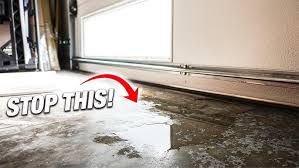
How To Keep Water From Coming In Under Garage Door (Quick Answer)
To prevent water from entering under your garage door:
- Install a bottom door seal
- Add a garage door threshold seal
- Improve driveway drainage
- Seal cracks and gaps
- Adjust door alignment
Read too: Tc1 Tricode Garage Door Opener Remote W/ Clip Chamberlain: Complete Guide
Combining these methods creates a strong barrier against water.
Why Does Water Come Under Garage Doors?
Understanding the cause helps you choose the right solution.
Common Causes:
- Worn or damaged bottom seals
- Uneven garage floor
- Poor drainage outside
- Gaps between door and floor
- Heavy wind-driven rain
According to construction experts, improper sealing and drainage account for over 70% of garage water issues.
How Do You Identify the Source of Water Leaks?
Before fixing, identify where water enters.
Signs to Look For:
- Water trails under the door
- Damp corners inside garage
- Visible gaps under door
- Cracked concrete near entrance
Quick Test:
Pour 1–2 liters of water outside your garage and observe where it enters. This simple test reveals weak points.
Step-by-Step: How To Keep Water From Coming In Under Garage Door
Follow these practical steps for effective waterproofing:
Step 1: Replace the Bottom Seal
The bottom seal is your first line of defense.
How to Do It:
- Open the garage door fully
- Remove the old rubber seal
- Slide in a new weather seal
- Cut to fit and secure
Benefits:
✔ Blocks water and debris
✔ Improves insulation
✔ Affordable fix
Step 2: Install a Garage Door Threshold Seal
A threshold seal sits on the floor, creating a barrier.
Installation Steps:
- Clean and dry the floor
- Apply adhesive evenly
- Position the seal across the door width
- Press firmly and let cure for 24 hours
Ideal Measurements:
- Height: 0.5–1 inch
- Length: Match door width
Step 3: Improve Driveway Drainage
Water often flows toward the garage.
Solutions:
- Install a trench drain
- Add a slight slope away from the garage
- Use gravel or channel drains
Proper drainage can reduce water intrusion by up to 80%.
Step 4: Seal Cracks and Gaps
Even small cracks allow water in.
How to Fix:
- Use waterproof concrete sealant
- Fill cracks wider than 2 mm
- Smooth and let dry completely
Step 5: Adjust Garage Door Alignment
An uneven door creates gaps.
Check:
- Does the door sit flush on the floor?
- Are tracks aligned properly?
If not, adjust the tracks or call a professional.
Step 6: Install Weather Stripping on Sides
Side gaps also allow water entry.
Benefits:
✔ Improves sealing
✔ Blocks wind-driven rain
✔ Enhances energy efficiency
What Is a Garage Door Threshold Seal?
A threshold seal is a raised rubber strip attached to the garage floor. It works with the door seal to create a watertight barrier.
For more technical background, see how sealing systems relate to structures like a https://en.wikipedia.org/wiki/Garage_door.
How Long Does It Take to Fix Water Issues?
Estimated Time:
- Bottom seal replacement: 30 minutes
- Threshold installation: 1 hour (+24-hour curing)
- Crack sealing: 1–2 hours
Total: 2–4 hours for most DIY fixes
Pros vs Cons of Waterproofing Methods
Advantages
✔ Prevents water damage
✔ Protects stored items
✔ Reduces mold risk
✔ Improves insulation
Disadvantages
✘ Initial setup time
✘ Some materials require curing
✘ Drainage fixes may cost more
Best Materials for Garage Waterproofing
Recommended Options:
- EPDM rubber seals
- PVC threshold barriers
- Silicone-based sealants
- Polyurethane caulking
These materials are durable and weather-resistant.
Common Mistakes to Avoid
- Ignoring small leaks
- Installing seals on dirty surfaces
- Skipping drainage improvements
- Using low-quality materials
Avoiding these mistakes ensures long-lasting results.
Comparison: DIY vs Professional Waterproofing
| Feature | DIY Fixes | Professional Work |
|---|---|---|
| Cost | Low | Higher |
| Time | Short | Moderate |
| Effectiveness | Good | Excellent |
| Skill Required | Basic | Expert |
Expert Tip: Combine Multiple Solutions
Experts recommend layering solutions:
- Bottom seal + threshold seal
- Drainage + crack sealing
Homes using combined methods experience significantly lower water intrusion rates.
How to Prevent Future Water Problems
Maintenance Tips:
- Inspect seals every 6 months
- Clean drainage systems regularly
- Replace worn materials promptly
- Keep garage floor level
FAQ: Garage Water Prevention
Q1: How To Keep Water From Coming In Under Garage Door?
A: Use a bottom seal, threshold barrier, and improve drainage for best results.
Q2: What is the best seal for garage doors?
A: EPDM rubber seals are highly durable and water-resistant.
Q3: Can I fix garage leaks myself?
A: Yes, most solutions are DIY-friendly and require basic tools.
Q4: Why does water enter even with a seal?
A: The floor may be uneven or drainage may direct water toward the garage.
Q5: How much does it cost to waterproof a garage?
A: DIY fixes range from $20–$100, while professional work can cost $200+.
Q6: Do threshold seals really work?
A: Yes, they are highly effective when combined with door seals.
Conclusion
Learning How To Keep Water From Coming In Under Garage Door can save you from costly damage and ongoing frustration. By combining simple solutions like seals, drainage improvements, and proper maintenance, you can create a dry, protected garage space.
Start with the basics, then upgrade as needed. If this guide helped you, don’t forget to share it with others who might be dealing with the same issue.
Leave a Reply