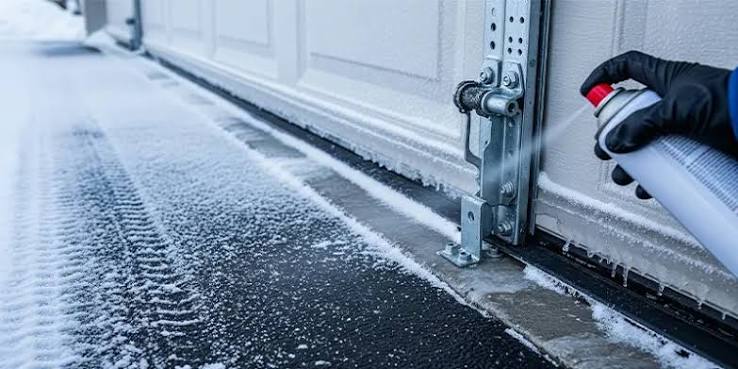
Winter mornings can be brutal, especially when you’re running late and your garage door refuses to budge. If you’ve ever tugged at the handle only to find it stuck fast to the driveway, you know the frustration of a frozen seal. Learning how to keep garage door from freezing to concrete is essential for protecting your door’s mechanism and ensuring safe, easy access during the coldest months.
Why Does My Garage Door Freeze to the Concrete?
Before we dive into solutions, it helps to understand why this happens. When snow melts on your driveway or garage floor and then refreezes overnight, it creates a solid bond between the rubber weatherstripping at the bottom of your door and the concrete surface. This is often exacerbated by poor drainage, lack of insulation, or extreme temperature drops.
According to basic principles of thermodynamics, water expands when it freezes. If moisture gets trapped under the door seal, it turns into ice, effectively gluing your door to the ground. For more details on the physical properties of ice and water expansion, you can refer to Wikipedia’s article on ice.
Ignoring this issue isn’t just an inconvenience; it can lead to serious damage. Pulling a frozen door open can tear the weatherstripping, bend the bottom panel, or even strain the garage door opener’s motor to the point of failure.
Immediate Solutions: How to Unstick a Frozen Door Safely
If you’re currently stuck with a frozen door, patience is key. Never force it open, as this can cause costly repairs. Here are some safe, immediate steps to free your door:
1. Use Warm Water (Not Boiling)
Pour warm water along the bottom edge where the door meets the concrete.
- Temperature: Aim for water between 40–50°C (104–122°F).
- Quantity: Use approximately 2–3 liters to cover the width of a standard single-car garage door.
- Method: Pour slowly to avoid splashing onto cold metal parts that could crack due to thermal shock. Once the ice melts, wipe away the excess water immediately to prevent refreezing.
2. Apply a De-icing Spray
Commercial de-icers are effective but can be harsh on rubber seals. If you use one, choose a product specifically designed for automotive or garage use. Spray it directly on the ice line and wait 5–10 minutes for it to work.
3. Use a Hairdryer or Heat Gun
For localized freezing, a hairdryer set on high heat can melt the ice bond. Keep the dryer moving to avoid overheating one spot. A heat gun is more powerful but requires caution; keep it at least 6 inches away from the rubber seal to prevent melting or warping.
Long-Term Prevention Strategies
The best way to handle a frozen garage door is to prevent it from happening in the first place. Here are proven strategies to keep your door operational all winter.
Install a Threshold Seal
A threshold seal is a rubber or vinyl strip attached to the concrete floor just inside the garage door. It creates a barrier that prevents water from pooling under the door.
- Benefit: Keeps moisture out and provides a smoother surface for the door to close on.
- Installation: Clean the concrete thoroughly, apply adhesive, and press the seal firmly into place. Allow 24 hours to cure before exposing it to moisture.
Improve Garage Drainage
Water accumulation is the primary culprit. Ensure your driveway slopes away from the garage entrance. If water pools near the door, consider installing a French drain or a channel drain to redirect runoff.
Apply Silicone Lubricant
Regularly applying a silicone-based lubricant to the bottom weatherstripping can help repel water. Unlike petroleum-based products, silicone doesn’t attract dirt and remains flexible in cold temperatures.
- Frequency: Apply every 4–6 weeks during winter.
- Application: Wipe the seal clean, then spray or rub a thin layer of silicone along the bottom edge.
Upgrade Your Weatherstripping
Old, cracked, or hard weatherstripping is more prone to freezing. Replace it with high-quality, cold-resistant rubber seals. Look for products rated for temperatures below -20°C (-4°F).
Comparison: Prevention Methods at a Glance
| Method | Cost | Effectiveness | Maintenance Level |
|---|---|---|---|
| Threshold Seal | $50–$150 | High | Low |
| Silicone Lubricant | $10–$20 | Medium | Medium (Monthly) |
| Improved Drainage | $200–$1,000+ | Very High | Low |
| Heated Cable Mat | $100–$300 | High | Low |
Step-by-Step Guide: Installing a Threshold Seal
Installing a threshold seal is one of the most effective DIY projects for preventing frozen doors. Follow these steps for a professional result:
- Measure the Width: Measure the exact width of your garage door opening. Cut the threshold seal to size using a utility knife.
- Clean the Surface: Sweep and scrub the concrete area where the seal will be placed. Use a degreaser if necessary to remove oil or dirt. The surface must be completely dry.
- Apply Adhesive: If the seal doesn’t have pre-applied adhesive, use a strong construction adhesive suitable for rubber and concrete. Apply a continuous bead along the bottom of the seal.
- Position the Seal: Place the seal just inside the garage door’s closing path. Ensure it’s straight and aligned with the door’s bottom edge.
- Press and Secure: Press down firmly along the entire length. Use heavy objects or clamps to hold it in place if needed.
- Cure Time: Let the adhesive cure for at least 24 hours before closing the garage door on it.
FAQ Section
Q1: Can I use salt to prevent my garage door from freezing?
A: While salt melts ice, it is highly corrosive and can damage concrete, metal door panels, and rubber seals over time. It’s better to use sand for traction or specialized de-icing products that are safe for garage surfaces.
Q2: How often should I inspect my garage door weatherstripping?
A: Inspect your weatherstripping at least twice a year: once in early fall before winter sets in, and again in spring. Look for cracks, brittleness, or gaps that could let moisture in.
Q3: Is it safe to use hot water on a frozen garage door?
A: Use warm water, not boiling hot water. Extreme temperature changes can cause thermal shock, potentially cracking glass panels or damaging metal components. Warm water is sufficient to melt the ice bond without risking damage.
Q4: Will insulating my garage door help prevent freezing?
A: Yes, insulation helps maintain a more consistent temperature inside the garage, reducing the likelihood of condensation and freezing. It also improves energy efficiency if your garage is attached to your home.
Q5: What type of lubricant is best for winter garage door maintenance?
A: Silicone-based lubricants are ideal because they don’t freeze, don’t attract dirt, and are safe for rubber and plastic components. Avoid WD-40 or grease, which can gum up in cold weather.
Conclusion
Dealing with a frozen garage door is a common winter woe, but it’s entirely preventable with the right approach. By understanding how to keep garage door from freezing to concrete, you can save yourself from morning stress and potential repair bills. Simple steps like installing a threshold seal, improving drainage, and regular maintenance can make a world of difference.
Don’t wait for the next deep freeze to take action. Implement these tips today to ensure your garage door operates smoothly all winter long. If you found this guide helpful, share it with your neighbors or on social media to help others stay unstuck this season!
Leave a Reply