Introduction
There is nothing quite as frustrating as pulling the emergency release cord on your garage door opener, only to realize you have no idea how to get the system working automatically again. Whether you pulled it during a power outage, a mechanical jam, or simply by accident, knowing how to hook up garage door after pulling red cord is an essential homeowner skill that saves both time and service fees. This guide will walk you through the safe, step-by-step re-engagement process so you can restore automatic operation with confidence and peace of mind.
Understanding the Emergency Release Mechanism
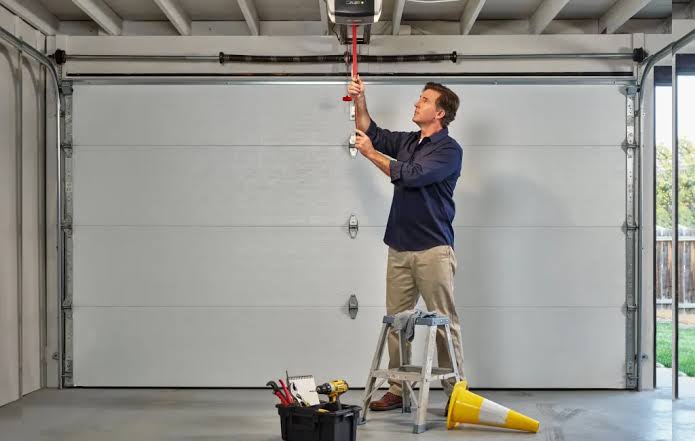
Before diving into the reconnection process, it is vital to understand what actually happened when you pulled that handle. The red cord is attached to the emergency release lever, a mechanical latch located on the trolley (the moving part attached to the opener rail). When pulled, this lever physically disconnects the trolley from the opener’s drive mechanism, allowing you to open and close the door manually.
According to technical documentation referenced in Wikipedia’s entry on garage door openers, this safety feature has been mandatory on all residential openers since the early 1990s to prevent entrapment and allow manual access during emergencies. However, because it creates a physical separation, the system cannot re-engage on its own. You must manually reset the latch.
Why Won’t My Garage Door Reconnect Automatically?
Many homeowners assume that pushing the wall button will magically snap everything back together. Unfortunately, the release mechanism is purely mechanical. Until the spring-loaded latch is physically pushed back into the locked position, the motor will spin uselessly while the door remains stationary. Understanding this distinction prevents unnecessary wear on your motor and helps you diagnose why the door isn’t responding.
Safety First: Critical Precautions Before Reconnecting
Garage doors are heavy pieces of machinery under significant tension. Before attempting to learn how to hook up garage door after pulling red cord, please observe these non-negotiable safety rules:
- Disconnect Power (Optional but Recommended): If you are unsure about the mechanism or if the door feels unbalanced, unplug the opener to prevent accidental activation while your hands are near the rail.
- Watch Your Fingers: The re-engagement point involves metal parts sliding against each other. Keep fingers clear of pinch points.
- Check Door Balance First: Never reconnect an opener to a door that does not stay open when lifted halfway. An unbalanced door indicates broken springs, which require professional repair before re-engaging the opener.
- Clear the Area: Ensure no children, pets, or objects are in the door’s path during testing.
Expert Tip: According to the International Door Association (IDA), over 70% of garage door injuries occur when homeowners attempt repairs on unbalanced doors or bypass safety sensors. Always verify mechanical integrity before electrical re-engagement.
Step-by-Step: How To Hook Up Garage Door After Pulling Red Cord
Follow these precise steps to safely re-engage your garage door opener. Most chain-drive and belt-drive systems follow this universal procedure.
Step 1: Close the Door Completely
The re-engagement mechanism is designed to lock when the door is in the fully closed position. Manually lower the door until it sits flush with the floor. If the door is difficult to lower or slams shut, stop immediately—your springs may be damaged.
Step 2: Locate the Emergency Release Lever
Find the red cord hanging from the trolley assembly on the rail. Follow the cord up to the metal lever it is attached to. On most LiftMaster, Chamberlain, and Genie models, this lever pivots toward the motor head when released and toward the door when engaged.
Step 3: Reset the Latch Mechanism
This is the core action for how to hook up garage door after pulling red cord:
- Stand beside the rail (not directly under it).
- Grasp the emergency release lever firmly.
- Push the lever toward the garage door (away from the motor) until you hear or feel a distinct click.
- Visually confirm that the latch arm has fully seated into the trolley carriage. There should be no gap between the engagement teeth.
Note: Some older models require you to pull the cord slightly downward while pushing the lever forward to align the internal spring.
Step 4: Test the Connection Manually
Before using the motor, gently lift the door handle about 1–2 inches. The trolley should move with the door. If the door lifts but the trolley stays still, the latch did not engage. Repeat Step 3.
Step 5: Restore Power and Test Automatic Operation
Plug the opener back in (if disconnected). Press the wall control button once. Observe the first cycle closely:
- Smooth Movement: The door should travel evenly without jerking.
- No Unusual Noises: Grinding or clicking suggests misalignment.
- Full Travel: The door must open and close completely without reversing prematurely.
If the door reverses immediately upon closing, check the safety sensors and force settings—these may have been disturbed during manual operation.
Troubleshooting: What If It Still Doesn’t Work?
Even after correctly following the steps above, issues can persist. Use this diagnostic table:
| Symptom | Likely Cause | Solution |
|---|---|---|
| Motor runs, door doesn’t move | Latch not fully engaged | Repeat Step 3; ensure audible click |
| Door moves partially then stops | Misaligned safety sensors | Clean sensor lenses; realign brackets |
| Loud grinding noise during re-engagement | Worn trolley carriage | Inspect plastic gears; replace if stripped |
| Door reverses before hitting floor | Force limit too low | Adjust down-force setting per manual |
| Red cord hangs loosely, won’t reset | Broken release spring | Replace emergency release assembly |
When to Call a Professional
If you have attempted re-engagement twice without success, or if the door exhibits any of the following, contact a certified technician:
- Visible gaps in torsion springs
- Cables that appear frayed or off-track
- Opener motor humming but not turning
- Door weighing significantly more than usual
These signs indicate underlying mechanical failures that make DIY reconnection unsafe.
Frequently Asked Questions (FAQ)
Can I reconnect the garage door opener while the door is open?
Technically, some models allow mid-travel re-engagement, but it is strongly discouraged. The latch alignment is most reliable when the door is fully closed. Attempting to reconnect while open increases the risk of partial engagement, which can strip the trolley gears or cause the door to fall unexpectedly. Always close the door manually first.
How often should I test the emergency release cord?
Manufacturers and safety organizations recommend testing the emergency release every six months. Pull the cord, operate the door manually to ensure smooth movement, then re-engage following the steps outlined above. Regular testing prevents the mechanism from seizing due to dust or corrosion and ensures you know exactly how to hook up garage door after pulling red cord when a real emergency occurs.
Will pulling the red cord damage my garage door opener?
No. The emergency release is a designed safety feature, not a failure point. However, repeatedly pulling and re-engaging without proper technique can wear the plastic latch components over years. Treat it as an emergency tool, not a daily convenience. If you frequently need manual operation, investigate the root cause (e.g., failing motor, obstructed tracks).
My red cord broke off—can I still re-engage the opener?
Yes. The cord is merely an extension of the lever. You can push the metal lever directly with your hand (wearing gloves recommended). However, replace the cord promptly, as having a functional pull handle is critical for future emergencies. Replacement cords are available at hardware stores for under $10 and install in minutes.
Why does my garage door feel heavier after reconnecting?
The door itself hasn’t changed weight. What you’re feeling is likely the opener’s resistance as it re-synchronizes with the door’s position. Modern openers perform a “learn cycle” after re-engagement to recalibrate travel limits. Allow 2–3 full cycles for the system to adjust. If heaviness persists beyond that, inspect rollers and tracks for binding.
Is it safe to leave the garage door disconnected overnight?
Only if necessary. A disconnected door lacks automatic locking and security features. If you must leave it disengaged, ensure the door is fully closed and consider using a manual slide lock. Reconnect as soon as possible to restore safety sensor functionality and remote access.
Conclusion
Knowing how to hook up garage door after pulling red cord transforms a stressful malfunction into a manageable maintenance task. By understanding the mechanism, prioritizing safety, and following the systematic re-engagement steps above, you protect both your equipment and your household. Remember: patience and precision always beat force when dealing with garage door systems.
If this guide helped you restore your garage door’s automatic function, share it on social media to help fellow homeowners avoid costly service calls! Tag a friend who just moved into their first home—they’ll thank you later. Safe lifting, and happy repairing!
Leave a Reply