Introduction
There are few things more frustrating than arriving home during a storm or returning from work to find your electricity has failed, leaving you locked outside with groceries in hand. If you are currently searching for how to get into garage door when power is out, please know that this is a common issue with a straightforward mechanical solution designed specifically for these emergencies. While modern openers are convenient, understanding the manual override system is essential for homeowner safety and accessibility, ensuring you are never permanently stranded outside your own property.
This guide provides a safe, step-by-step method to manually operate your door, prioritizing your physical safety and the integrity of your equipment over speed.
Understanding Your Garage Door Emergency Release System
Before attempting to force entry, it is vital to understand the mechanism that allows manual operation. Every residential garage door opener manufactured for the US market includes an emergency release cord, typically red with a handle, hanging from the trolley carriage on the opener rail.
According to Wikipedia’s entry on Garage Door Openers, this release mechanism physically disconnects the trolley (which moves along the rail via the motor) from the door itself. This disengagement allows the door to move freely along its tracks without resistance from the motor gear assembly.
⚠️ Critical Safety Warning: Never attempt to pull the emergency release cord while the door is in motion or partially open. The sudden shift in weight distribution can cause the door to crash down violently, potentially causing severe injury or property damage. Always ensure the door is fully closed before pulling the cord during a power outage.
Why Knowledge Matters: Statistics on Garage Door Injuries
Understanding proper procedure isn’t just about convenience; it is about safety. The U.S. Consumer Product Safety Commission (CPSC) reports that thousands of injuries occur annually related to garage doors, many involving improper manual handling or entrapment. By following standardized procedures rather than improvising, you significantly reduce risk. Furthermore, knowing how to get into garage door when power is out prevents homeowners from damaging expensive opener gears by forcing the motor against a disconnected load once power returns.
Step-by-Step: How to Manually Open Your Garage Door
Follow these precise steps to safely gain entry. This process assumes standard sectional overhead doors common in US residential construction.
1. Locate the Emergency Release Cord
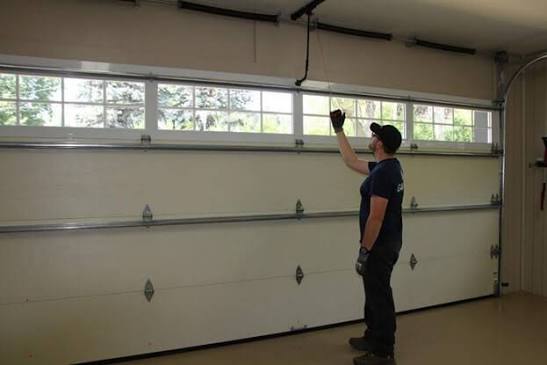
Enter the garage through a pedestrian side door if possible. Look up at the opener rail near the motor unit. Identify the red emergency release cord. It usually hangs 4–6 feet above the floor. If you cannot reach it safely, use a sturdy stepladder—never stand on chairs or unstable surfaces.
2. Disengage the Opener Trolley
Grasp the handle firmly and pull the cord straight down toward the floor until you hear or feel a distinct click. This indicates the trolley has released from the carriage. Do not yank sideways, as this can bend the release lever arm.
3. Lift the Door Using Proper Form
With the opener disengaged, grip the bottom edge of the door using both hands placed shoulder-width apart. Lift smoothly using your legs, not your back. A properly balanced garage door should weigh no more than 8–10 pounds of perceived lift force. If the door feels excessively heavy (>20 lbs of effort), stop immediately—this indicates broken springs or track obstruction.
4. Secure the Door in Open Position
Once fully open, engage any manual locking bars or place a C-clamp on the track just below the bottom roller to prevent accidental closure. Unsecured doors can fall due to wind gusts or spring tension shifts.
5. Re-Engage After Power Returns
When electricity is restored, pull the release cord again (or push the trolley toward the motor) until it clicks back into the carriage. Test the automatic opener with the door clear of obstructions to confirm proper re-engagement.
Manual Operation vs. Automatic: Key Differences During Outages
Understanding the limitations of manual operation helps set realistic expectations during extended outages.
| Feature | Automatic Operation | Manual Operation (Power Out) |
|---|---|---|
| Lift Effort | Zero (motor-assisted) | 8–10 lbs (balanced) / Heavy (unbalanced) |
| Speed | 7–9 inches/second | Variable (user-dependent) |
| Safety Sensors | Active (auto-reverse) | Inactive (no auto-reverse) |
| Locking Mechanism | Electronic lock | Manual clamp/latch required |
| Re-Engagement | N/A | Required after power return |
| Risk Level | Low | Moderate (requires caution) |
Note: Safety photo-eye sensors do NOT function during power outages. Always visually verify the path is clear before lowering a manually operated door.
What If My Door Won’t Open Manually? Troubleshooting Common Issues
If you have pulled the release cord but the door remains immovable, diagnose before applying excessive force.
Broken Torsion or Extension Springs
Springs counterbalance the door’s 150–250 lb weight. A snapped spring makes manual lifting nearly impossible and dangerous. Do not attempt repair. Spring replacement requires specialized winding bars and professional training; DIY attempts account for a significant portion of garage-related ER visits. Contact a licensed technician.
Track Obstruction or Roller Damage
Inspect tracks for debris, dents, or separated rollers. A single derailed roller can bind the entire system. Clear visible obstructions gently, but avoid hammering tracks, as misalignment worsens binding.
Frozen Weather Seals (Winter Climates)
In northern US states, rubber bottom seals can freeze to concrete. Apply warm (not hot) water along the seal perimeter or use a silicone-based lubricant rated for sub-zero temperatures. Never pry with metal tools, which tear seals and damage thresholds.
Frequently Asked Questions (FAQ)
Can I use my garage door remote during a power outage?
No. Standard remotes communicate with the opener’s logic board, which requires AC power. However, some newer models include battery backup systems that provide 10–20 cycles during outages. Check your opener’s specifications or install an aftermarket UPS designed for garage openers if outages are frequent in your area.
Is it safe to leave my garage door manually open overnight during an outage?
Generally, no. Without electronic sensors or automatic closing, the opening presents security risks and allows pests, weather, and temperature extremes to enter. If you must leave it open temporarily, secure it with clamps and monitor regularly. Restore automatic operation as soon as power returns.
How often should I test the emergency release mechanism?
Test the release cord every six months as part of routine maintenance. Pull the cord with the door closed to verify smooth disengagement, then re-engage and test automatic operation. Regular testing prevents corrosion or sticking that could render the mechanism useless during an actual emergency.
Will manually operating my door damage the opener?
Not if done correctly. The release system is engineered for periodic manual use. Damage occurs only if users force the door while still engaged to the trolley, or fail to re-engage before activating the motor after power restoration. Always confirm re-engagement audibly and visually before pressing the wall button.
What if I don’t have a side door and am completely locked out?
If no pedestrian access exists and the main door won’t release, contact a locksmith or garage door specialist for non-destructive entry. Some professionals carry specialized tools to safely manipulate release mechanisms externally. Avoid prying or drilling, which compromises security and voids warranties.
Does homeowner’s insurance cover garage door damage during power-related incidents?
Coverage varies by policy. Damage from fallen trees or lightning during storms is typically covered under comprehensive perils, while mechanical failure due to lack of maintenance may be excluded. Document conditions with photos before repairs and consult your agent regarding specific outage-related claims.
Conclusion: Preparedness Brings Peace of Mind
Knowing how to get into garage door when power is out transforms a stressful emergency into a manageable task. By understanding your emergency release system, practicing safe lifting techniques, and recognizing when professional help is needed, you protect both yourself and your investment. Remember: the goal isn’t just entry—it’s safe, sustainable access that preserves your equipment and well-being.
Take five minutes today to locate your emergency release cord and verify it functions smoothly. Share this guide with family members or neighbors who might face similar situations; preparedness is always better shared. Have you experienced a power-related garage door challenge? Share your tips or questions in the comments below, and don’t forget to share this article on social media to help others stay safe during unexpected outages!
Leave a Reply