Introduction
There are few things more frustrating than arriving home during a storm or blackout, only to realize you have no idea how to get in garage door when power is out. You are tired, the weather might be worsening, and your automatic opener is completely unresponsive. Don’t panic; this is a common issue that every homeowner can solve with the right knowledge and a calm approach.
In this comprehensive guide, we will walk you through the exact steps to manually operate your garage door safely, explain the mechanics behind the emergency release, and provide critical safety warnings to prevent injury or damage. Whether you are locked outside or trapped inside, understanding your system’s manual override is an essential home maintenance skill.
Understanding Your Garage Door Emergency Release System
Before attempting to force entry, it is vital to understand why the door won’t open automatically. Modern garage door openers utilize a trolley-and-rail system connected to the door via a J-arm or straight arm. When electricity flows, the motor moves the trolley. When power fails, the trolley locks in place unless disengaged.
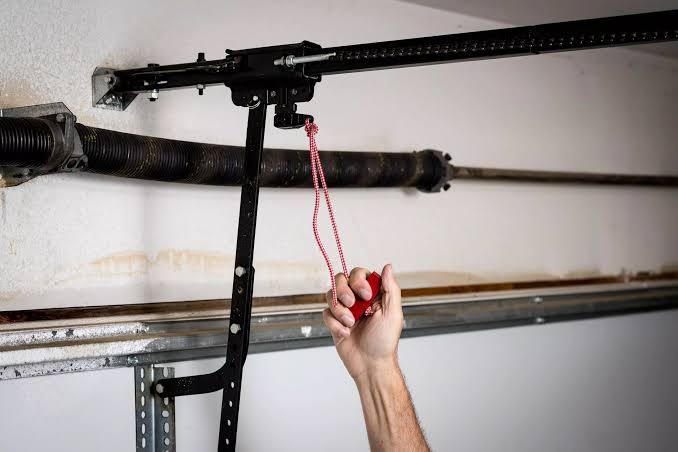
According to industry standards outlined by the International Door Association, all residential openers manufactured after 1993 must include a manual release mechanism. This is typically a red cord hanging from the opener rail near the motor unit. Pulling this cord disengages the trolley from the drive mechanism, allowing the door to move freely along its tracks.
⚠️ Critical Safety Warning: Never pull the emergency release cord while the door is in motion or partially open. The sudden shift in weight can cause the door to slam shut violently, leading to severe injury or property damage. Always ensure the door is fully closed before disengaging the opener during a power outage.
Step-by-Step: How to Manually Open Your Garage Door From Inside
If you are already inside the garage and need to exit, or if you have entered through a side door, follow these precise steps to operate the door manually.
1. Locate the Emergency Release Cord
Look up at the opener rail. You should see a red handle or cord hanging down. If your unit is older, it may be a lever or a different colored rope. Ensure you have stable footing; use a sturdy step stool if necessary, but never stand on a chair or unstable surface.
2. Disengage the Trolley
Firmly grasp the red cord and pull it straight down toward the floor. You should feel and hear a distinct “click.” This indicates the trolley has released from the carriage. Do not yank it sideways, as this can bend the release arm.
3. Lift the Door Using Proper Form
Grip the bottom edge of the door or the designated lift handles. Lift smoothly using your legs, not your back. A properly balanced garage door should weigh no more than 8–10 pounds when lifting manually. If the door feels excessively heavy (over 20 lbs of resistance), stop immediately. This indicates broken springs or track misalignment, which requires professional repair.
4. Secure the Door in the Open Position
Manual doors do not have automatic locking mechanisms. Once open, prop the door securely or engage any manual slide locks to prevent it from falling due to wind or vibration.
How To Get In Garage Door When Power Is Out From Outside
Being locked outside is the most stressful scenario. Most modern US homes do not have exterior keyholes on the main garage door, but there are legitimate workarounds.
Check for an Exterior Keyed Lock
Some older or custom garage doors feature a traditional keyed lock cylinder on the exterior face. If yours has one, simply unlock it, then lift manually following the balance test described above.
Use the Entry Door or Side Access
The safest and most recommended method is to enter through a pedestrian side door or the interior door connecting the house to the garage. Once inside, you can access the emergency release cord safely.
Emergency External Release Kits (Pre-Installation Required)
For future-proofing, consider installing an external emergency release kit. These systems involve a small keyed cylinder mounted externally that connects via cable to the internal release mechanism. They cost between $30–$60 and require professional installation to maintain warranty compliance. Without this pre-installed hardware, do not attempt to pry, drill, or force the door, as this will cause costly damage and void insurance coverage.
Manual Operation vs. Battery Backup: Pros and Cons Comparison
Understanding your options helps you decide whether to rely solely on manual operation or invest in backup technology.
| Feature | Manual Release Only | Battery Backup System |
|---|---|---|
| Cost | $0 (Built-in) | $150–$400 + Installation |
| Reliability During Outage | High (Mechanical) | Medium (Depends on Charge) |
| Physical Effort Required | Moderate to High | None (Motor Assisted) |
| Safety Risk | Higher (Lifting Weight) | Lower (Controlled Speed) |
| Maintenance Needs | Annual Balance Test | Battery Replacement Every 2-3 Years |
| Best For | Rare Outages / Budget | Frequent Storms / Elderly Residents |
Note: Battery backups typically provide 10–20 full cycles before needing recharge. Manual release is always the ultimate fail-safe.
Re-Engaging the Opener After Power Returns
Once electricity is restored, you must reconnect the door to the motor. Many homeowners forget this step and wonder why their remote still doesn’t work.
- Close the Door Completely: Ensure the door is fully seated on the floor.
- Pull the Release Cord Again: Pull the red cord toward the motor unit (or push the lever back into position) until you hear it click back into the engaged state.
- Test the Travel Limits: Press the wall button once. Watch the door complete a full cycle. If it reverses prematurely or strains, the travel limits may need recalibration. Consult your opener’s manual for specific adjustment screws or digital programming steps.
- Verify Safety Sensors: Wave an object under the photo-eye sensors while closing. The door should reverse instantly. If not, realign the sensors before regular use.
Frequently Asked Questions (FAQ)
Q1: Can I damage my garage door opener by using the manual release?
No, pulling the emergency release cord correctly will not damage the opener. Damage occurs only if you pull it while the door is moving, force it sideways, or neglect to re-engage it properly afterward. Always follow the manufacturer’s specific instructions for your model.
Q2: Why is my garage door too heavy to lift manually even after releasing?
Excessive weight indicates a broken torsion or extension spring, snapped cables, or seized rollers. Garage door springs store tremendous tension and are extremely dangerous to repair without specialized tools. Contact a licensed technician immediately; DIY spring replacement causes thousands of injuries annually.
Q3: How often should I test the manual release mechanism?
Test it twice per year, ideally during seasonal maintenance checks. Regular testing prevents the release mechanism from seizing due to dust, humidity, or lack of use. Lubricate the release pivot point with white lithium grease if it feels stiff.
Q4: Is it safe to leave the garage door disconnected from the opener long-term?
It is safe mechanically, but inconvenient and less secure. Without the opener engaged, the automatic locking feature is disabled, making the door easier to force open from outside. Re-engage the system as soon as power returns or repairs are completed.
Q5: Will my smart garage opener work during a power outage?
Most Wi-Fi-enabled openers lose connectivity during outages unless paired with a battery backup. Even with backup power, internet-dependent features like remote monitoring via smartphone will fail. The physical manual release remains functional regardless of smart technology status.
Q6: What should I do if the emergency release cord is missing or broken?
Do not improvise with pliers or wire. Purchase an OEM replacement cord specific to your opener brand (LiftMaster, Genie, Chamberlain, etc.). Installation takes under 10 minutes and costs less than $15. Operating without a functional release mechanism violates safety codes and creates hazardous conditions.
Conclusion: Stay Prepared, Stay Safe
Knowing how to get in garage door when power is out transforms a stressful emergency into a manageable task. By understanding your emergency release system, practicing safe manual operation, and maintaining your equipment regularly, you protect both your property and your family. Remember: safety always trumps speed. If something feels wrong, stop and call a professional.
We hope this guide gives you confidence and peace of mind during unexpected outages. Found this helpful? Share it on Facebook, X (Twitter), or Nextdoor to help fellow homeowners stay prepared! Bookmark this page for quick reference during storms, and check our other home safety guides for more expert-backed advice tailored to US households.
Disclaimer: This article provides general educational information. Garage door systems vary by manufacturer and age. Always consult your owner’s manual and hire certified professionals for repairs involving springs, cables, or electrical components. The author assumes no liability for injuries or damages resulting from improper application of this information.
Leave a Reply