Introduction
There are few things more frustrating than realizing you’re trapped inside or locked out of your home during a blackout. If you are currently searching for how to get garage door up when power is out, take a deep breath; this is a common issue with a straightforward mechanical solution that requires no special tools. In this guide, we will walk you through the safe, step-by-step process of manually operating your door while prioritizing your safety and preventing damage to the opener system.
Understanding Your Garage Door’s Emergency Release Mechanism
Before you attempt to lift the door, it is vital to understand why the door won’t move and how the emergency release works. Modern garage door openers are equipped with a manual release mechanism designed specifically for power failures. This system disengages the trolley (the part connected to the motor) from the rail, allowing the door to move freely along its tracks.
According to industry safety standards, every automatic opener must have this feature. However, many homeowners have never located or used it until an emergency strikes. Understanding this mechanism is the first step in learning how to get garage door up when power is out without causing injury or equipment failure.
⚠️ Critical Safety Warning: Never attempt to force the door open if the spring system appears broken, snapped, or loose. Garage door torsion springs store immense kinetic energy. A failed spring can cause severe injury or death. If you suspect spring failure, stop immediately and contact a professional technician. For more technical background on counterbalance systems, refer to the Garage Door Wikipedia Entry.
Step-by-Step: How To Get Garage Door Up When Power Is Out
Follow these precise steps to safely operate your door manually. Do not skip any safety checks.
1. Locate the Emergency Release Cord
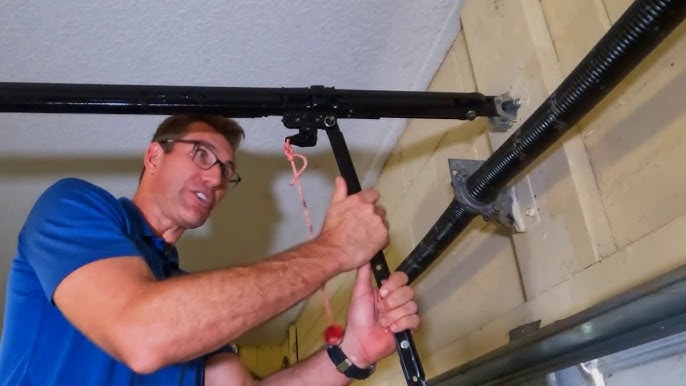
Look for a red handle hanging from the trolley assembly near the top of the garage door track. This is typically attached to a rope or cord. In some older models, it may be a lever rather than a cord. Ensure you have stable footing; use a sturdy stepladder if necessary, but never stand directly under the door.
2. Disengage the Opener Trolley
Firmly pull the red emergency release cord straight down toward the floor. You should hear or feel a distinct “click” as the latch releases. This action separates the trolley from the carriage, freeing the door from the motorized drive chain or belt.
- Note: Pulling at an angle may jam the mechanism. Always pull vertically.
- Check: Gently try to move the door by hand after pulling. If it still feels locked, the release may not have fully disengaged. Try pulling again with steady pressure.
3. Lift the Door Manually Using Proper Form
Stand facing the door with feet shoulder-width apart. Grip the bottom edge or designated handle firmly. Lift using your legs, not your back. The door should feel balanced; a properly adjusted door weighs only 8–10 lbs of perceived force due to spring tension.
| Symptom | Likely Cause | Action Required |
|---|---|---|
| Door lifts easily and stays put | Springs balanced correctly | Safe to proceed |
| Door feels extremely heavy (>30 lbs) | Broken spring or cable | STOP. Call a pro. |
| Door rises but slams shut | Weak/broken spring | STOP. Call a pro. |
| Door binds or sticks mid-travel | Track misalignment/obstruction | Inspect tracks before forcing |
4. Secure the Door in the Open Position
Once fully raised, the door may not stay up on its own if the springs are weak. Use locking pliers or C-clamps on the track below the bottom roller to prevent accidental closure. Alternatively, prop the door securely with a wooden brace rated for the load. Never trust friction alone to hold a disconnected door.
5. Re-engaging After Power Returns
When electricity is restored, you must reconnect the opener. Pull the emergency release cord toward the motor unit (or push the lever back) until it clicks into place. Test the automatic operation by pressing the wall button—not the remote—to ensure proper alignment. If the door reverses unexpectedly or makes grinding noises, the trolley may not be fully seated.
Common Mistakes to Avoid During Manual Operation
Even knowing how to get garage door up when power is out, errors can lead to costly repairs or injuries. Avoid these frequent pitfalls:
- Lifting with one hand: Always use two hands centered on the door to prevent twisting the tracks.
- Ignoring balance issues: If the door doesn’t stay open at 3–4 feet off the ground, your springs need adjustment. Continuing to operate an unbalanced door damages rollers and cables.
- Forgetting to re-engage: Operating the automatic opener while still in manual mode will strip gears or burn out the motor.
- Using excessive force: A healthy door requires minimal effort. Struggling indicates a mechanical problem, not user error.
- Leaving the door unsecured: An unclamped manual door can fall unexpectedly, especially in wind or vibration.
Preventive Maintenance to Reduce Future Emergencies
While knowing how to get garage door up when power is out solves immediate problems, prevention reduces recurrence risk. Schedule biannual maintenance including:
- Spring inspection: Check for gaps in torsion springs or fraying in extension springs.
- Lubrication: Apply lithium-based grease to rollers, hinges, and springs every six months.
- Balance test: Disconnect the opener quarterly and verify the door stays stationary at mid-height.
- Battery backup installation: Consider adding a UPS battery backup to your opener ($150–$300 installed) for seamless operation during outages.
Data from the International Door Association shows that 68% of emergency service calls stem from neglected maintenance rather than sudden component failure. Proactive care saves both money and stress.
FAQ: Frequently Asked Questions About Manual Garage Door Operation
Can I damage my garage door opener by using the manual release?
No, when performed correctly, using the emergency release causes zero damage. The mechanism is engineered for repeated use. Damage only occurs if you force the release cord at an angle, attempt to operate the motor while disengaged, or re-engage improperly. Always follow manufacturer-specific instructions found in your opener’s manual.
Why does my garage door feel so heavy when I lift it manually?
A properly balanced residential garage door should require no more than 10 pounds of lifting force. Excessive weight indicates broken torsion springs, snapped lift cables, or seized rollers. Do not continue lifting. This is a safety hazard requiring immediate professional repair. Attempting to muscle a heavy door risks personal injury and further mechanical damage.
How do I know if the emergency release has fully disengaged?
After pulling the cord, gently test lateral movement of the trolley along the rail. It should slide freely without resistance. Additionally, attempt to raise the door slightly; smooth motion confirms disengagement. If the door remains stuck despite pulling the cord, the release mechanism may be corroded or damaged—consult a technician rather than applying force.
Is it safe to leave my garage door open overnight during a power outage?
Generally, no. An open garage compromises home security and exposes belongings to weather, pests, and theft. If you must leave it open temporarily, secure it with clamps and install temporary lighting. Close and lock it as soon as possible. Consider investing in a battery backup system to maintain normal operation during extended outages.
Can I convert my existing opener to include battery backup?
Yes, many modern openers support retrofit battery kits. Compatibility depends on your opener’s brand, model, and age. Units manufactured after 2019 often have built-in backup ports. Older models may require full replacement. Consult a certified installer to assess compatibility and ensure code-compliant installation. Battery backups typically provide 10–20 cycles per charge.
What should I do if the emergency release cord is missing or broken?
A missing or broken release cord is a serious safety deficiency. Some jurisdictions consider this a code violation. Contact a licensed garage door technician immediately for replacement. In the interim, if power is out and you must exit, carefully locate the trolley latch mechanism and disengage it using insulated pliers—but only if you can do so safely from stable footing. Prioritize professional repair over improvisation.
Conclusion: Stay Prepared and Stay Safe
Mastering how to get garage door up when power is out transforms a stressful emergency into a manageable task. By understanding your emergency release mechanism, following safe lifting protocols, and recognizing warning signs of mechanical failure, you protect both yourself and your property. Remember: when in doubt about spring condition or door balance, always defer to a qualified professional.
Regular maintenance and considering a battery backup system are smart investments that reduce future disruptions. Share this guide with family members or neighbors who might face the same challenge—preparedness is a community effort. Have you experienced a garage door power outage situation? Share your tips or questions in the comments below, and don’t forget to share this article on social media to help others stay safe during blackouts!
Leave a Reply