Introduction
There are few feelings more frustrating than standing in your driveway, keys in hand, realizing you cannot access your home because the garage is sealed shut. Whether caused by a power outage, a broken spring, or a misplaced remote, knowing how to get a garage door open from the outside is an essential homeowner skill that can save you from costly emergency service calls. This guide provides safe, manufacturer-approved methods to regain entry without damaging your property or compromising your security.
Understanding Why Your Garage Door Won’t Open
Before attempting any physical intervention, it is vital to diagnose the root cause. According to industry data from the International Door Association (IDA), over 70% of residential garage door failures stem from lack of maintenance rather than catastrophic mechanical failure. Identifying the specific issue ensures you apply the correct solution and avoid making the problem worse.
Common Causes of Exterior Lockouts
- Power Outages: Automatic openers require electricity; without backup batteries, the door defaults to a locked state.
- Broken Torsion Springs: These counterbalance the door’s weight. If snapped, the door becomes too heavy to lift manually and dangerous to force.
- Disconnected Emergency Release Cord: The red cord may have been accidentally pulled or detached during previous maintenance.
- Frozen Tracks: In colder US climates, ice can fuse rollers to the track, preventing movement even if the opener functions.
- Dead Remote Batteries: The simplest explanation is often overlooked; always test with a wall console or spare remote first.
⚠️ Critical Safety Warning: Never attempt to force a garage door open if you suspect a broken spring. Torsion springs store immense kinetic energy and can cause severe injury or death if mishandled. Always defer to licensed professionals for spring-related issues. For comprehensive safety standards, refer to Wikipedia’s Garage Door Safety Guidelines.
Method 1: Using the Emergency Release Kit (Top Priority)
Most modern US residential garage doors installed after 1993 are equipped with an exterior emergency release mechanism as mandated by federal safety regulations. This is the primary method for learning how to get a garage door open from the outside legally and safely.
Step-by-Step Emergency Release Procedure
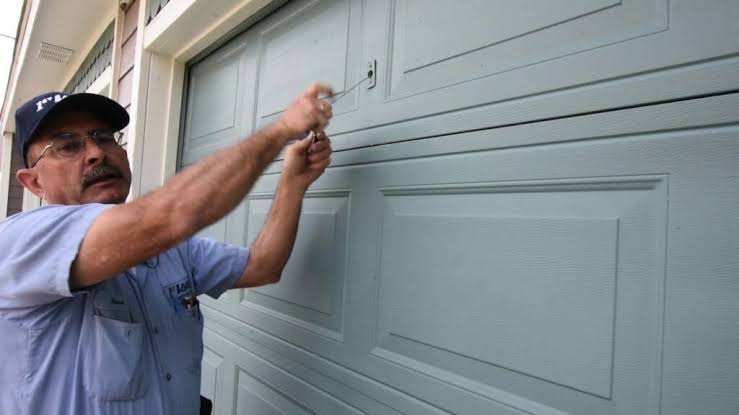
- Locate the Release Lock: Look for a small, keyed cylinder near the top center of the garage door exterior. It is typically positioned just below the top panel seam.
- Insert the Correct Key: Use the original tubular key provided at installation. Do not use makeshift tools, as this can strip the lock cylinder permanently.
- Turn and Pull: Rotate the key 90 degrees clockwise while simultaneously pulling the release handle downward. You should feel a distinct click indicating the trolley has disengaged from the opener carriage.
- Lift Manually: With the opener disconnected, lift the door using both hands on the bottom panel handles. A properly balanced door should require no more than 10–15 pounds of force.
- Re-engage After Entry: Once inside, reconnect the opener by pulling the emergency release cord toward the motor unit until it clicks back into place. Test the automatic function before relying on it again.
Pros vs. Cons: Emergency Release Kits
| Feature | Advantages | Disadvantages |
|---|---|---|
| Accessibility | Designed specifically for exterior access | Key can be lost or lock can corrode |
| Safety | No risk of spring damage | Requires proper re-engagement |
| Cost | Free (included with door system) | Replacement locks cost $40–$80 |
| Reliability | Works during power outages | May fail if mechanism is rusted |
Method 2: Manual Override When No Release Kit Exists
Older homes or custom installations may lack exterior release mechanisms. In these cases, alternative approaches require greater caution and technical understanding.
Assessing Structural Integrity First
Before proceeding, verify the door’s balance. Disconnect the opener internally (if accessible through adjacent windows or pet doors) and attempt to lift the door halfway. If it does not stay in position when released, stop immediately. An unbalanced door indicates spring failure and requires professional service. Attempting to open an unbalanced door from outside risks structural collapse.
Temporary Access Through Adjacent Entry Points
When direct garage access is impossible, consider secondary routes:
- Interior Service Doors: Many attached garages share walls with utility rooms, mudrooms, or kitchens. Check if interior doors are unlocked.
- Window Entry: Some garage designs include operable windows above workbenches. Measure clearance carefully; standard garage windows are 24″ x 36″, which may accommodate smaller adults but poses fall risks.
- Pet Door Access: Standard pet doors measure 7″ x 10″ to 12″ x 18″. While insufficient for human entry, they allow tool passage to manipulate internal release cords.
💡 Expert Tip: Keep a magnetic hide-a-key box containing your emergency release key mounted discreetly on metal siding or behind downspouts. Avoid obvious locations like under doormats or flower pots, which burglars check first.
Preventive Maintenance to Avoid Future Lockouts
The best way to handle garage lockouts is preventing them entirely. Industry experts recommend biannual maintenance schedules aligned with seasonal transitions.
Essential Maintenance Checklist
- Test Balance Quarterly: Disconnect opener and lift door manually. It should move smoothly and remain stationary at any point. Adjustments indicate spring wear.
- Lubricate Moving Parts Biannually: Apply silicone-based lubricant to rollers, hinges, and tracks. Avoid WD-40, which attracts dust and degrades rubber components. Temperature matters: apply lubricant when ambient temperature is between 50°F–80°F for optimal penetration.
- Inspect Weather Seals Monthly: Cracked bottom seals allow moisture intrusion that freezes tracks in winter. Replace seals showing >25% deterioration.
- Verify Backup Battery Function: Modern openers include battery backups rated for 20–30 cycles. Test monthly by unplugging the unit and operating via battery alone.
- Clean Photo-Eye Sensors: Misaligned or dirty sensors prevent closure but can also trigger false lockout modes. Wipe lenses with microfiber cloth weekly.
Cost Comparison: Prevention vs. Emergency Service
| Service Type | Average US Cost | Time Investment | Risk Level |
|---|---|---|---|
| DIY Maintenance | $20–$50/year | 2 hours/biannual | Low |
| Professional Tune-Up | $150–$250 | 1 hour/annual | None |
| Emergency Lockout Call | $200–$400 | 2–4 hours wait | Moderate |
| Spring Replacement | $300–$600 | Same-day service | High (DIY) |
Data shows homeowners who perform regular maintenance reduce emergency service calls by 85% over five years, saving an average of $1,200 annually.
Frequently Asked Questions (FAQ)
Can I pick my garage door emergency release lock?
Technically possible but strongly discouraged. Tubular locks resist picking, and improper manipulation damages the cylinder, requiring full replacement ($80–$150). More critically, forced entry voids insurance coverage for subsequent damage. Always use the designated key or contact a locksmith specializing in garage systems.
What if my emergency release key is lost?
Contact the original installer or door manufacturer with your model number. Most companies maintain key codes for 15+ years. Alternatively, licensed locksmiths can impression new keys without drilling. Never drill out the lock yourself; debris can jam the release mechanism permanently. Budget $75–$125 for professional key duplication.
Is it legal to modify my garage door for easier exterior access?
Modifications must comply with UL 325 safety standards. Adding non-compliant release mechanisms creates liability exposure and may violate local building codes. Consult your municipality’s building department before alterations. Approved modifications include upgrading to smart openers with WiFi-enabled exterior keypads ($150–$300 installed).
How do I know if my garage door is too heavy to lift manually?
A properly balanced residential door weighs effectively zero pounds due to spring counterbalance. If lifting requires noticeable strain (>15 lbs), springs are failing. Do not continue. Mark the door “OUT OF SERVICE” and schedule immediate professional inspection. Continuing to operate an unbalanced door risks cable snap, track deformation, or personal injury.
Can weather affect exterior release mechanisms?
Absolutely. Coastal salt air accelerates corrosion; Midwest humidity promotes rust; Southwest UV degrades plastic components. Inspect release assemblies seasonally. Apply marine-grade anti-corrosion spray annually in humid/salty environments. Replace plastic release handles showing cracks or brittleness—failure rates increase 300% in degraded plastic components.
Are smart garage openers worth the investment for lockout prevention?
For frequently locked-out households, yes. Smart openers provide remote operation via smartphone, temporary guest codes, and integration with home automation. ROI analysis shows break-even within 2–3 years for users experiencing >2 annual lockouts. Choose models with battery backup and encrypted communication to prevent hacking vulnerabilities.
Conclusion: Regain Access Safely and Confidently
Understanding how to get a garage door open from the outside transforms a stressful emergency into a manageable situation. By prioritizing the emergency release kit, respecting safety boundaries around spring systems, and committing to preventive maintenance, you protect both your property and your peace of mind. Remember: patience and proper procedure always outweigh speed when dealing with heavy mechanical systems.
Found this guide helpful? Share it with neighbors, friends, or family members who might face similar lockout challenges! Tag us on social media with #GarageDoorSafety or send this article directly to someone who needs it today. Your share could prevent someone else’s frustrating afternoon—or worse, a dangerous DIY mistake. Stay safe, stay prepared, and keep those garage doors moving smoothly!
Leave a Reply