There is nothing quite as frustrating as waking up early for work, pressing the garage door opener, and hearing a loud clunk followed by silence. Your car is trapped inside, your schedule is disrupted, and panic starts to set in. If you are wondering how to get a garage door back on track, you are not alone—this is one of the most common household maintenance issues homeowners face. The good news? In many cases, you can fix it yourself without calling an expensive technician, provided you follow safety protocols strictly.
Why Do Garage Doors Come Off Track?
Before diving into the repair, it is crucial to understand why this happens. A garage door is a heavy, complex system under high tension. When it derails, it is rarely random; there is usually an underlying cause.
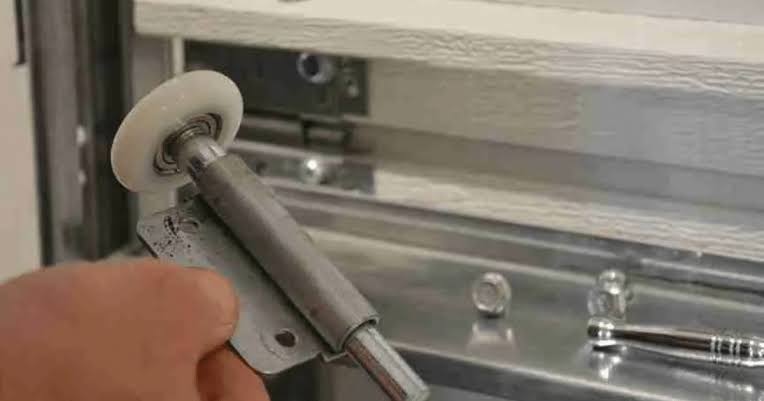
According to industry data, nearly 30% of garage door service calls are related to track alignment or roller issues. Understanding the root cause helps prevent future occurrences. Common reasons include:
- Loose Hardware: Over time, vibration from daily use can loosen the bolts holding the tracks to the wall or ceiling.
- Obstructions: Even small objects like pebbles, toys, or hardened grease can force rollers out of alignment.
- Worn-Out Rollers: Plastic or nylon rollers degrade over time, becoming brittle and prone to breaking.
- Impact Damage: Accidentally backing into the door, even slightly, can bend the metal tracks.
- Broken Cables or Springs: If a cable snaps, the balance of the door shifts dramatically, pulling it off the rails.
For more detailed technical specifications on garage door systems, you can refer to the general overview on Wikipedia.
Safety First: Critical Precautions Before You Start
Warning: Garage doors are heavy (often weighing between 150–400 lbs) and operate under extreme tension. The springs, in particular, store enough energy to cause severe injury or death if handled incorrectly.
Do NOT attempt this repair if:
- The torsion spring (the large spring above the door) is broken or loose.
- The cables are snapped or hanging loosely.
- You do not have a helper to assist you.
If any of the above applies, stop immediately and call a professional. This guide assumes the springs and cables are intact, and only the rollers have slipped out of the track.
Essential Tools You Will Need
- Adjustable wrench or socket set
- Rubber mallet (never use a steel hammer on metal tracks)
- Pliers
- Level
- Lubricant (silicone-based or lithium grease)
- Clamps or locking pliers (vise grips)
- Safety glasses and gloves
Step-by-Step: How To Get A Garage Door Back On Track
Follow these steps carefully. Patience is key—rushing can bend the tracks further.
Step 1: Secure the Door and Disconnect Power
First, ensure the garage door opener is disconnected from the power source. This prevents accidental activation while you are working. Next, close the door as much as possible. If it is stuck halfway, do not force it. Use clamps or locking pliers to secure the door to the track below the bottom roller to prevent it from sliding down unexpectedly.
Step 2: Inspect the Tracks and Rollers
Examine the area where the door came off. Look for:
- Bends or Dents: If the metal track is bent, the roller will not stay in place.
- Debris: Clean out any dirt, rust, or obstructions.
- Damaged Rollers: Check if the roller wheels are cracked or chipped.
If the track is bent, you may need to gently tap it back into shape using a rubber mallet. Be careful not to deform the metal further.
Step 3: Loosen the Track Bolts
To create enough space to reinsert the rollers, you need to loosen the bolts that hold the track to the wall or ceiling brackets. Do not remove the bolts completely. Just loosen them enough so the track can move slightly. This flexibility allows you to align the track with the roller.
Step 4: Realign the Roller
This is the most delicate part. Have your helper lift the door slightly to relieve pressure on the roller. Using pliers, gently guide the roller back into the track. You may need to wiggle the track itself to line up the opening with the roller stem.
Tip: If the roller is stuck, apply a small amount of lubricant to ease it in.
Step 5: Tighten the Bolts and Check Alignment
Once the roller is securely inside the track, tighten the bolts you loosened in Step 3. Use a level to ensure the track is perfectly vertical and aligned. Misaligned tracks will cause the door to come off again soon.
Step 6: Test the Door Manually
Before reconnecting the opener, manually lift and lower the door several times. It should move smoothly without grinding noises or resistance. If it feels sticky or uneven, recheck the alignment.
Step 7: Lubricate and Reconnect Power
Apply a silicone-based lubricant to the rollers, hinges, and tracks. Avoid WD-40 as it attracts dust and dries out quickly. Once everything moves smoothly, reconnect the power to the garage door opener and test the automatic function.
Common Mistakes to Avoid
| Mistake | Consequence | Solution |
|---|---|---|
| Using a steel hammer | Dents the track, worsening alignment | Use a rubber mallet only |
| Ignoring worn rollers | Door derails again within weeks | Replace damaged rollers immediately |
| Skipping lubrication | Increased friction and wear | Lubricate every 6 months |
| Forcing the door | Bends tracks or breaks cables | Lift gently; seek help if stuck |
When to Call a Professional
While knowing how to get a garage door back on track is empowering, some situations require expert intervention. Contact a licensed technician if:
- Springs are involved: Torsion and extension springs are dangerous. Never adjust them yourself.
- Tracks are severely bent: If the metal is kinked or crushed, it needs replacement, not just realignment.
- Cables are frayed or broken: These bear the weight of the door and require specialized tools to replace.
- The door still sticks after repair: This indicates deeper issues with the opener or structural alignment.
FAQ Section
Q1: Can I fix a garage door off track by myself?
Yes, if the issue is minor (rollers slipped out) and the springs/cables are intact. However, always prioritize safety and have a helper present. If you are unsure, call a professional.
Q2: How much does it cost to fix a derailed garage door?
If you do it yourself, the cost is minimal (lubricant and possibly new rollers, under $50). Professional repair typically ranges from $150 to $300, depending on labor and parts.
Q3: Why does my garage door keep coming off the track?
Recurring derailments usually indicate loose hardware, worn rollers, or misaligned tracks. Regular maintenance and tightening bolts every six months can prevent this.
Q4: Is it safe to use WD-40 on garage door tracks?
No. WD-40 is a solvent, not a long-term lubricant. It can attract dirt and gum up the mechanism. Use silicone-based or lithium grease instead.
Q5: How often should I maintain my garage door?
Experts recommend inspecting and lubricating your garage door system every 6 months. Check for loose bolts, worn rollers, and smooth operation.
Q6: What type of rollers are best for garage doors?
Nylon rollers are quieter and durable for residential use. Steel rollers are stronger but noisier. Avoid plastic rollers as they crack easily.
Conclusion
Learning how to get a garage door back on track can save you time, money, and stress. By following the steps outlined above—securing the door, inspecting for damage, realigning the rollers, and testing thoroughly—you can resolve most minor derailments safely. Remember, regular maintenance is the best prevention. Keep your tracks clean, lubricated, and tight to ensure smooth operation for years to come.
Did this guide help you fix your garage door? Share this article with friends and family who might find it useful, or leave a comment below with your experience!
Leave a Reply