Introduction
There is a distinct sinking feeling when you pull the emergency release handle and suddenly realize you do not know how to fix your garage door after pulling red cord. Whether you were testing the safety mechanism during a power outage or accidentally tugged it while moving storage boxes, your automatic opener is now completely disconnected from the door itself. Do not panic; this is a common issue that most homeowners can resolve in under ten minutes without professional tools. This guide will walk you through the safe re-engagement process, ensuring your system operates smoothly and securely once again.
What Is the Red Cord on a Garage Door Opener?
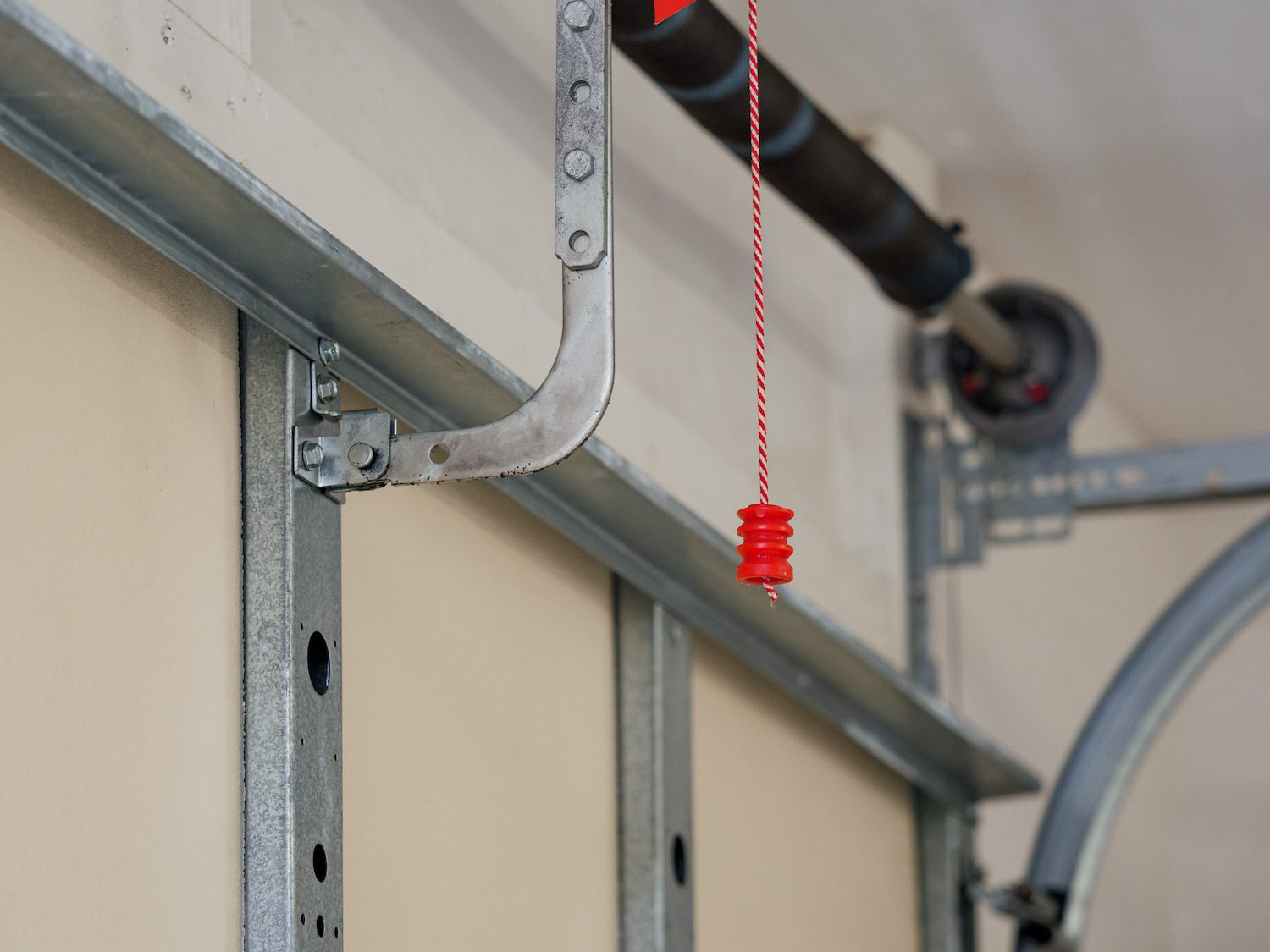
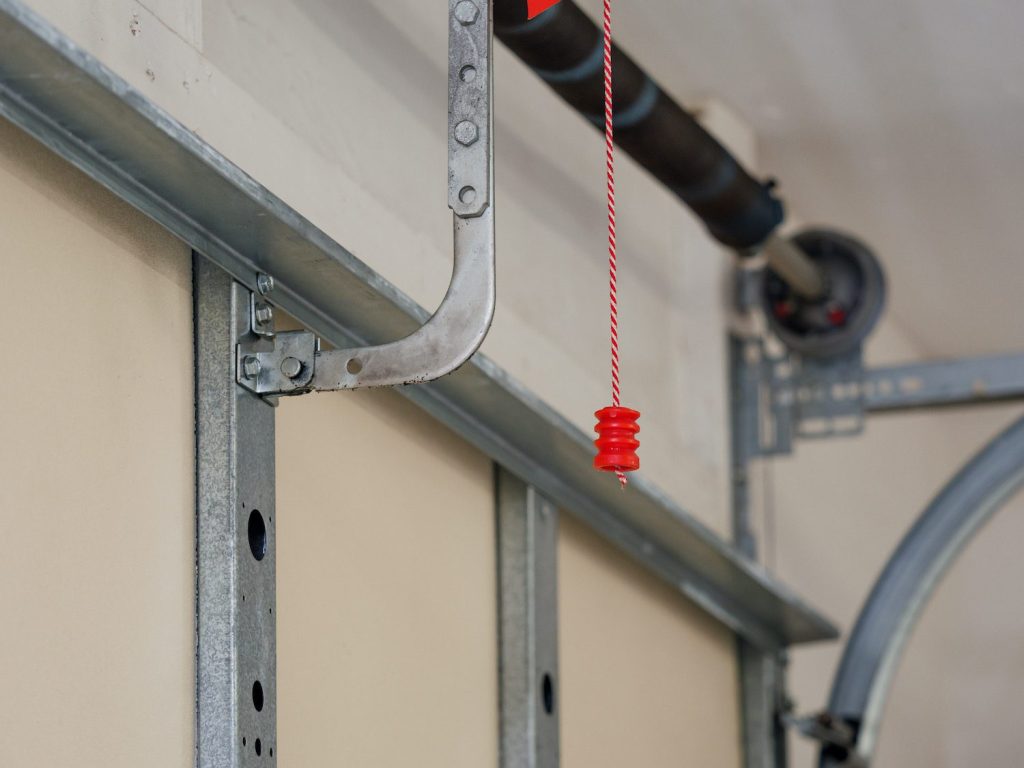
Before attempting any repairs, it is vital to understand what you are actually fixing. The red cord hangs from the trolley carriage of your garage door opener rail and is officially known as the emergency release mechanism. According to technical documentation referenced on Wikipedia, this manual release was mandated by safety standards to allow occupants to open the door manually during electrical failures or mechanical jams.
When you pull this cord, you physically disengage the trolley from the drive chain or screw. This means the motor can run freely without moving the door, and the door can be lifted by hand without motor resistance. Understanding this mechanical separation is the first step in learning how to fix your garage door after pulling red cord correctly.
Why Was the Cord Pulled?
Identifying the cause prevents future issues:
- Power Outage: Intentional use to enter/exit during blackouts.
- Obstruction Testing: Checking if the auto-reverse sensors work properly.
- Accidental Activation: Bumping into it while organizing overhead storage.
- Mechanical Failure: The door jammed, forcing a manual override.
⚠️ Critical Safety Warning: Never attempt to re-engage the red cord while the garage door is in the open position. The weight of an unbalanced door (often 150–250 lbs) can cause severe injury or damage to the opener carriage. Always ensure the door is fully closed before proceeding.
Step-by-Step: How to Reconnect Your Garage Door Opener
This tutorial provides concrete, actionable steps applicable to most major US brands including LiftMaster, Chamberlain, Genie, and Craftsman. Follow these instructions precisely to restore automatic function.
Step 1: Verify the Door Is Fully Closed
Check the bottom seal against the concrete floor. There should be no gaps. If the door is even partially open, lower it manually until it sits flush. A closed door ensures the trolley aligns correctly with the carriage latch.
Step 2: Locate the Emergency Release Handle
Find the red cord hanging from the rail near the motor unit. You will see a lever or clamp mechanism attached to the trolley. On newer models, this may be a sliding latch rather than a traditional swinging arm.
Step 3: Align the Trolley and Carriage
Stand on a stable stepladder if necessary. Visually inspect the connection point between the trolley (the part connected to the door) and the carriage (the part driven by the motor). They must be within 1–2 inches of each other for the latch to catch.
Step 4: Engage the Latch Mechanism
Pull the red cord toward the motor unit firmly. You should hear and feel a definitive “click” as the spring-loaded latch snaps back into the engaged position. For sliding-latch models, push the lever toward the motor until it locks.
Step 5: Test Manual Movement First
Before using the remote, lift the door manually about 3–4 feet. It should move smoothly with consistent resistance. If it feels heavy, jerky, or binds, stop immediately—your springs may be damaged, and operating the opener could burn out the motor.
Step 6: Test Automatic Operation
Press your wall button or remote. Observe the first complete cycle. Listen for unusual grinding, watch for hesitation at the engagement point, and verify the door closes fully without reversing unexpectedly.
Troubleshooting: When the Door Won’t Re-Engage
Sometimes knowing how to fix your garage door after pulling red cord requires additional diagnostics. Use this comparison table to identify your specific problem:
| Symptom | Likely Cause | Recommended Solution |
|---|---|---|
| No “click” when pulling cord | Broken latch spring or debris | Inspect latch assembly; clean track; replace spring if snapped |
| Motor runs but door doesn’t move | Latch not fully seated | Repeat Step 4 with firmer pressure; check alignment |
| Door reverses immediately upon closing | Travel limit misalignment | Adjust down-limit switch per manufacturer manual |
| Grinding noise during re-engagement | Worn carriage teeth | Lubricate with white lithium grease; inspect for metal shavings |
| Cord feels loose/no tension | Detached return spring | Reattach spring to mounting bracket on rail |
Expert Insight on Spring Tension
According to the International Door Association (IDA), over 70% of garage door injuries occur during DIY spring adjustments. If your door feels excessively heavy during Step 5, do not force re-engagement. The torsion or extension springs may have lost tension while the door was disconnected. Spring repair requires specialized winding bars and should always be handled by certified technicians.
Preventive Maintenance to Avoid Future Disconnections
Once you have successfully learned how to fix your garage door after pulling red cord, implement these maintenance practices to prevent recurrence:
- Monthly Visual Inspection: Check the red cord for fraying, UV degradation, or tangling with stored items. Replace cords showing wear every 3–5 years.
- Quarterly Lubrication: Apply silicone-based lubricant to the trolley track and latch mechanism. Avoid WD-40, which attracts dust and gumms up moving parts.
- Annual Professional Tune-Up: Certified technicians test the emergency release under load, verify spring balance, and calibrate travel limits—tasks beyond typical DIY scope.
- Clear Overhead Storage Zone: Maintain a 3-foot clearance around the opener rail to prevent accidental cord pulls during seasonal organization.
Frequently Asked Questions (FAQ)
Can I re-engage the red cord while the garage door is open?
No. Re-engaging with the door open creates dangerous misalignment between the trolley and carriage. The sudden torque when the motor activates can strip gears, bend the rail, or cause the door to slam shut unpredictably. Always close the door completely before attempting reconnection.
How often should I test the emergency release cord?
Test the emergency release twice annually, ideally during spring and fall maintenance cycles. Pull the cord, operate the door manually to confirm smooth movement, then re-engage following the steps above. Regular testing prevents the latch mechanism from seizing due to corrosion or disuse.
Will pulling the red cord reset my garage door opener programming?
Generally, no. The emergency release is purely mechanical and does not affect electronic settings, remote codes, or Wi-Fi connectivity. However, if the door traveled significantly while disconnected, you may need to recalibrate travel limits so the opener knows the correct open/close positions.
My red cord broke off—can I still reconnect the opener?
Yes, but replace the cord immediately. Without the emergency release, you violate federal safety standards and risk entrapment during power failures. Temporary re-engagement is possible by manually manipulating the latch lever with pliers, but this is strictly a stopgap measure until replacement parts arrive.
Why does my garage door feel heavier after re-engaging the red cord?
Increased weight typically indicates spring imbalance that occurred while the door was manually operated. Extension springs may have stretched unevenly, or torsion springs may have shifted on the shaft. Do not continue using the opener; schedule a professional spring inspection to prevent motor burnout or cable failure.
Is it safe to leave the garage door disconnected overnight?
Only if absolutely necessary. A disconnected door lacks automatic locking security and auto-reverse safety features. If you must leave it disconnected, secure the door manually with a slide lock or padlock, and place a visible reminder note on your car dashboard to prevent accidental opener activation the next morning.
Conclusion
Mastering how to fix your garage door after pulling red cord empowers you to handle one of the most common household mechanical issues confidently and safely. By understanding the emergency release mechanism, following precise re-engagement steps, and recognizing when professional help is needed, you protect both your property and your family. Remember: patience and safety always outweigh speed when working with garage door systems.
Found this guide helpful? Share it on Facebook, Pinterest, or Nextdoor to help fellow homeowners avoid costly service calls. Tag someone who just moved into their first home—they will thank you later! Have questions not covered here? Drop them in the comments below, and our community of DIY enthusiasts and professionals will help you troubleshoot. Stay safe, and keep those doors rolling smoothly! 🏡🔧
Leave a Reply