Introduction
There’s nothing quite as frustrating as waking up to a garage door that won’t open properly. If you’re wondering how to fix garage door that came off track, you’re not alone—this is one of the most common garage door problems homeowners face. The good news? With the right knowledge and safety precautions, many off-track issues can be resolved without calling a professional. In this comprehensive guide, we’ll walk you through everything you need to know to safely get your garage door back on track and prevent future occurrences.
Understanding Why Garage Doors Come Off Track
Before diving into the repair process, it’s essential to understand why garage doors come off their tracks in the first place. According to the International Door Association, approximately 70% of garage door malfunctions are related to track misalignment or roller issues.
Common Causes of Off-Track Garage Doors
Several factors can cause your garage door to derail from its tracks:
- Worn or damaged rollers: Over time, rollers can become cracked, chipped, or simply wear out
- Loose track bolts: Vibration from regular use can loosen the bolts holding tracks in place
- Impact damage: Hitting the door with a vehicle or object can bend tracks
- Poor maintenance: Lack of regular lubrication and inspection accelerates wear
- Spring tension issues: Broken or improperly balanced springs put uneven pressure on tracks
Understanding the root cause helps prevent recurrence after your repair.
Safety First: Essential Precautions Before Starting
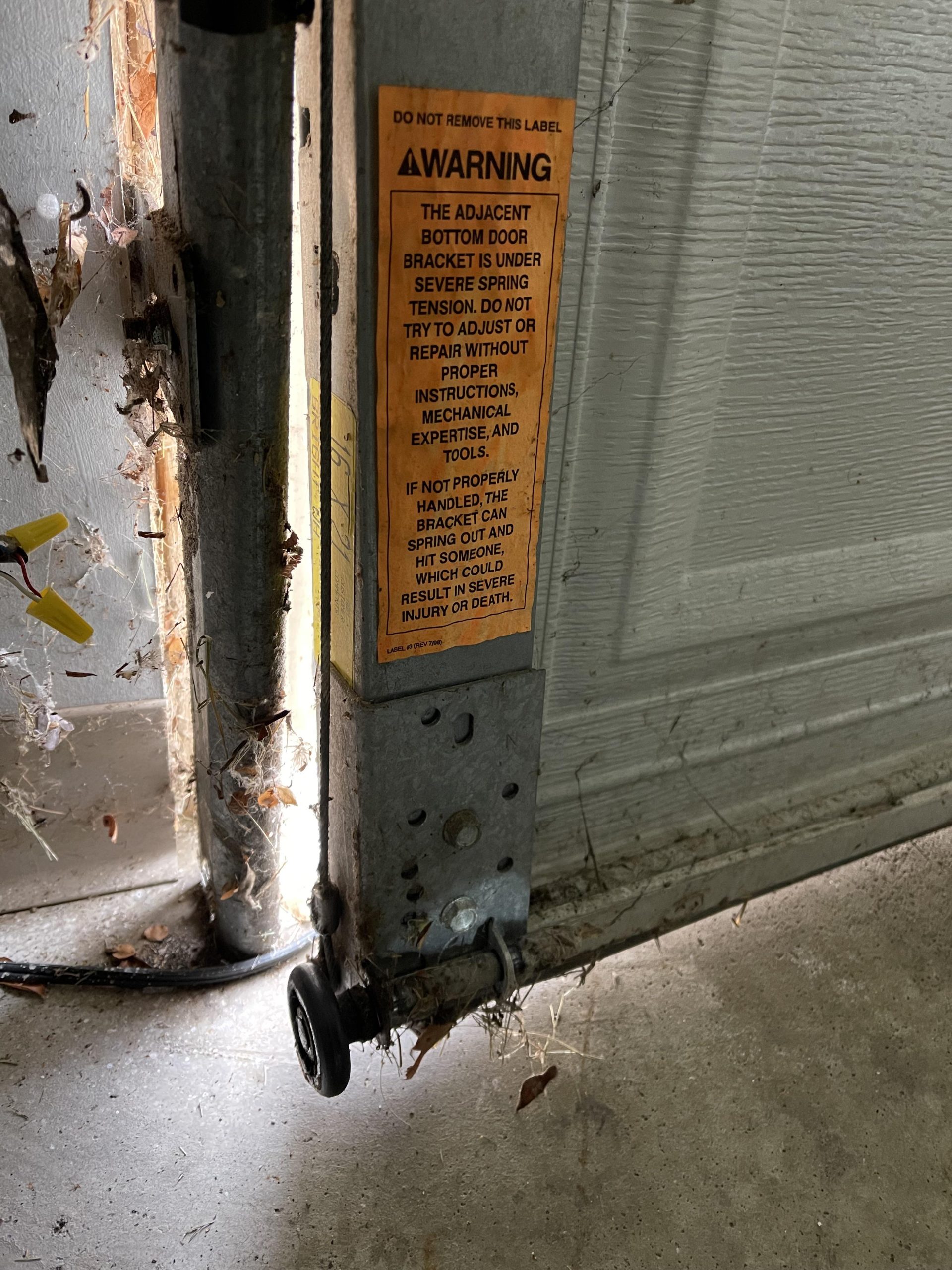
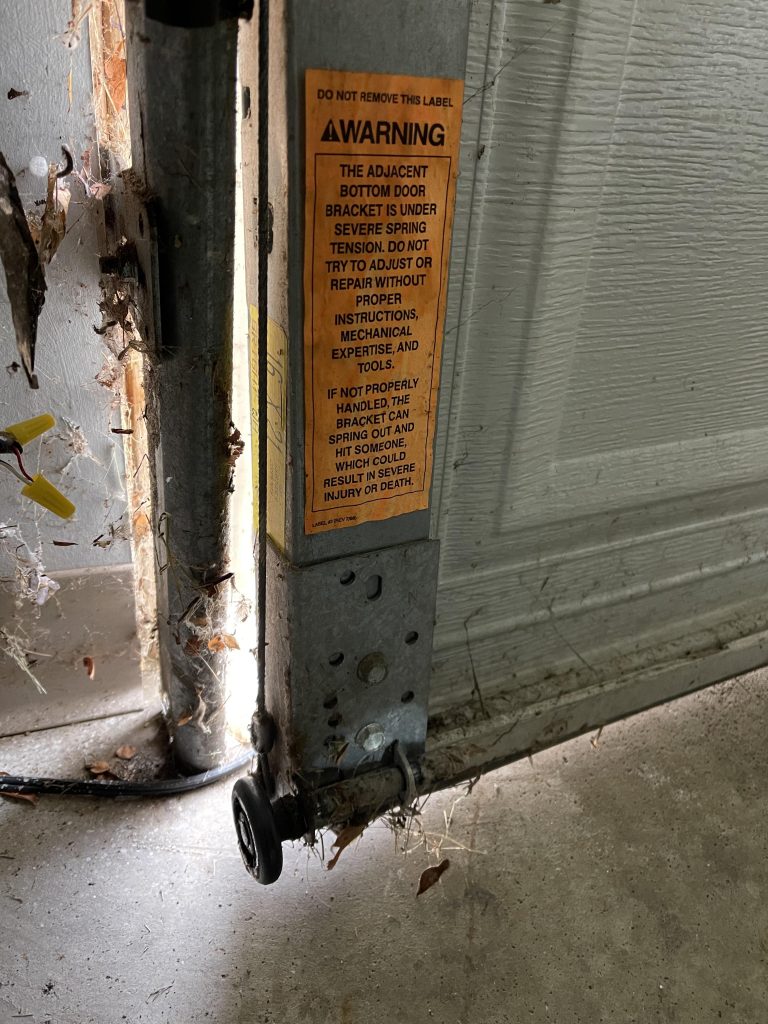
Never attempt garage door repairs without proper safety measures. Garage doors weigh between 130-400 pounds, and the springs operate under extreme tension. Here’s what you need:
Required Safety Equipment
- Heavy-duty work gloves
- Safety glasses
- Steel-toed boots
- C-clamps or locking pliers
- A helper (highly recommended)
Critical Safety Steps
- Disconnect the opener: Unplug the garage door opener or pull the emergency release cord
- Secure the door: Use C-clamps on the track below the bottom roller to prevent sudden movement
- Release spring tension carefully: If dealing with torsion springs, consider professional help
- Work with a partner: Having someone assist you significantly reduces risk
Remember: If you’re uncomfortable with any step, especially involving springs, call a licensed technician immediately.
Step-by-Step Guide: How To Fix Garage Door That Came Off Track
Follow these detailed steps to safely return your garage door to its tracks:
Step 1: Assess the Damage
Begin by examining both sides of the garage door to determine:
- Which side(s) came off track
- Whether tracks are bent or damaged
- The condition of rollers and hinges
- Any visible obstructions in the track
Take photos for reference and to document the issue if you need professional help later.
Step 2: Gather Your Tools
You’ll need:
- Adjustable wrench set
- Socket wrench set
- Rubber mallet
- Level
- Pliers
- Lubricant (silicone-based garage door lubricant)
- Replacement rollers (if needed)
- Ladder
Step 3: Loosen Track Bolts
Using your wrench, slightly loosen the bolts securing the vertical track sections to the wall brackets. Don’t remove them completely—just loosen enough to allow adjustment. Typically, you’ll find 3-4 bolts per track section.
Step 4: Realign the Track
- Position the derailed door section near the track opening
- Gently lift the door to align rollers with the track entrance
- Use a rubber mallet to tap the track if minor bending occurred
- Check alignment with a level—the track should be perfectly vertical
Step 5: Guide Rollers Back Into Track
With your helper supporting the door weight:
- Tilt the door slightly toward the track
- Carefully guide each roller into the track channel
- Start with the top roller, then work downward
- Ensure rollers sit properly in the track groove
Step 6: Tighten and Secure
Once all rollers are back in the track:
- Tighten all track bolts securely
- Check that tracks are parallel and evenly spaced
- Verify the door moves smoothly by manually lifting it halfway
- Remove the C-clamps only after confirming stability
Step 7: Test and Lubricate
- Reconnect the garage door opener
- Test the door through several complete cycles
- Apply silicone-based lubricant to rollers, hinges, and tracks
- Listen for unusual noises indicating remaining issues
For more information about garage door components and their functions, visit Wikipedia’s Garage Door page.
When to Call a Professional
While many off-track issues are DIY-friendly, certain situations require expert assistance:
| Situation | DIY Possible? | Recommended Action |
|---|---|---|
| Minor roller derailment | Yes | Follow steps above |
| Bent or damaged tracks | No | Professional repair/replacement |
| Broken springs | No | Dangerous—call pro immediately |
| Damaged cables | No | Professional replacement required |
| Persistent recurring issues | Maybe | Professional diagnosis recommended |
Warning: Torsion spring repairs should always be left to professionals. These springs store enormous energy and can cause serious injury if handled incorrectly.
Preventing Future Off-Track Problems
Prevention is always better than repair. Implement these maintenance practices:
Monthly Maintenance Checklist
- Visual inspection: Check tracks for debris, dents, or misalignment
- Roller examination: Look for cracks, chips, or excessive wear
- Bolt tightening: Ensure all track and bracket bolts remain secure
- Lubrication: Apply appropriate lubricant to moving parts
- Balance test: Disconnect opener and manually lift door halfway—it should stay in place
Annual Professional Service
Consider scheduling annual maintenance with a certified technician who can:
- Inspect spring tension and cable condition
- Perform comprehensive safety checks
- Identify potential problems before they become emergencies
- Adjust opener settings for optimal performance
Cost Comparison: DIY vs. Professional Repair
Understanding costs helps you make informed decisions:
DIY Repair Costs:
- Tools (if purchasing): $50-150
- Replacement rollers: $15-40 per set
- Lubricant: $8-15
- Total: $73-205
Professional Repair Costs:
- Service call fee: $75-125
- Labor: $100-200
- Parts: $50-150
- Total: $225-475
Note: These are average costs and vary by location and specific issues.
FAQ Section
Q1: How much does it cost to fix a garage door that came off track?
A: DIY repairs typically cost $75-200 for tools and parts, while professional services range from $225-475 depending on damage severity and location. Simple roller realignment is less expensive than track replacement or spring repairs.
Q2: Can I fix an off-track garage door by myself?
A: Yes, if the issue involves simple roller derailment without bent tracks or broken springs. However, always prioritize safety, use proper tools, and have a helper. If springs, cables, or significant track damage are involved, hire a professional.
Q3: Why does my garage door keep coming off track?
A: Recurring off-track issues usually indicate underlying problems such as worn rollers, loose track bolts, improper installation, unbalanced doors, or damaged tracks. Address the root cause rather than just repositioning the door to prevent repeated occurrences.
Q4: How long does it take to fix a garage door off track?
A: A straightforward roller realignment typically takes 30-60 minutes for experienced DIYers. More complex repairs involving track adjustment or roller replacement may take 1-2 hours. Professional technicians usually complete the job within 1-2 hours including diagnosis.
Q5: Is it dangerous to fix a garage door off track?
A: It can be dangerous if proper safety precautions aren’t followed. The primary risks involve the door’s weight (130-400 pounds) and spring tension. Always disconnect the opener, secure the door with clamps, wear protective gear, and never attempt spring repairs yourself.
Q6: What type of lubricant should I use for garage door tracks?
A: Use silicone-based or lithium-based garage door lubricants. Avoid WD-40 or general-purpose oils as they attract dust and debris. Apply lubricant sparingly to rollers, hinges, and track contact points every 3-6 months for optimal performance.
Conclusion
Learning how to fix garage door that came off track empowers you to handle common garage door issues safely and cost-effectively. By following our step-by-step guide, prioritizing safety, and implementing regular maintenance, you can keep your garage door operating smoothly for years to come.
Remember that while many off-track problems are manageable DIY projects, knowing when to call a professional is equally important. Your safety—and your family’s—should always come first.
Found this guide helpful? Share it with friends and neighbors who might benefit from knowing how to handle off-track garage doors. Bookmark this page for future reference, and don’t forget to implement those monthly maintenance checks to prevent future problems!
Have questions or experiences to share? Leave a comment below—we’d love to hear from you!
Leave a Reply