Introduction
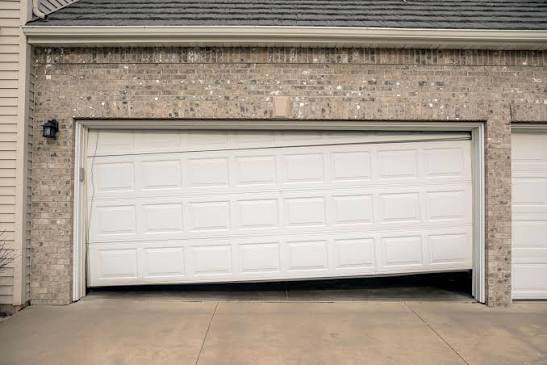
Is your garage door hanging unevenly or making strange noises when it opens? You’re not alone—thousands of homeowners face this frustrating issue every year. Learning how to fix a garage door that is crooked can save you hundreds of dollars in professional repair costs while restoring safe, smooth operation to your most-used entry point.
A crooked garage door isn’t just an eyesore; it’s a safety hazard that can lead to complete system failure if left untreated. Whether your door is tilted to one side, sticking at certain points, or simply not closing evenly, this comprehensive guide will walk you through the diagnosis and repair process using proven techniques from industry professionals.
Understanding Why Garage Doors Become Crooked
Before diving into repairs, it’s crucial to understand what causes garage doors to become misaligned. According to the International Door Association, improper installation accounts for nearly 40% of garage door problems, while wear and tear contributes to another 35%.
Common Causes of Crooked Garage Doors
- Broken or worn cables: Steel cables bear the weight of your door and can snap or stretch over time
- Damaged rollers: Worn rollers cause uneven movement along the tracks
- Bent tracks: Impact damage or poor installation can bend the metal tracks
- Loose hardware: Vibrations from regular use loosen bolts and brackets
- Spring tension issues: Broken or improperly adjusted springs create imbalance
Pro Tip: Regular maintenance every six months can prevent 80% of common garage door problems, according to industry statistics.
Safety First: Essential Precautions Before Starting
Warning: Garage doors weigh between 150-400 pounds and operate under extreme tension. Never attempt spring repairs without proper training and tools.
Required Safety Equipment
- Safety glasses
- Work gloves
- Steel-toed boots
- Ladder stabilizer
- Locking pliers or C-clamps
Always disconnect the garage door opener before beginning any repairs. This prevents accidental activation while you’re working on the door mechanism.
Step-by-Step Guide: How To Fix A Garage Door That Is Crooked
Step 1: Diagnose the Problem
Start by visually inspecting your garage door from multiple angles. Look for:
- Visible gaps between the door and frame
- Uneven spacing along the sides
- Bent or damaged tracks
- Frayed or broken cables
- Loose brackets or hardware
Use a level to check if the door is truly crooked or if it’s a track alignment issue. Place the level against the vertical tracks on both sides to identify discrepancies.
Step 2: Check and Tighten Hardware
Loose hardware is the most common cause of minor misalignment. Using a socket wrench, check all bolts and screws on:
- Track brackets (every 2-3 feet along the track)
- Roller brackets
- Hinge plates
- Opener mounting brackets
Tightening specifications: Most garage door hardware should be tightened to 15-20 ft-lbs of torque. Over-tightening can strip threads or damage components.
Step 3: Inspect and Replace Rollers
Worn rollers cause uneven movement and contribute to crooked doors. Here’s how to check them:
- Open the door halfway and examine each roller
- Look for cracks, chips, or excessive wear
- Check if rollers spin freely
- Listen for grinding noises during operation
Replace any damaged rollers with nylon-coated steel rollers for quieter operation. Standard residential garage doors typically use 10-12 rollers total.
Step 4: Examine Cable Condition
Cables are critical for balanced door operation. Inspect both lift cables for:
- Fraying or broken strands
- Uneven tension between left and right sides
- Proper seating in cable drums
If cables appear damaged, stop immediately and call a professional. Cable replacement requires specialized knowledge due to high tension levels.
Step 5: Align the Tracks
Track misalignment often causes doors to appear crooked. Follow these steps:
- Loosen track bracket bolts slightly (don’t remove completely)
- Use a rubber mallet to gently tap tracks back into alignment
- Check alignment with a level every 2 feet
- Ensure tracks are parallel and equidistant from the door
- Retighten brackets securely
Vertical tracks should be perfectly plumb, while horizontal tracks should have a slight downward angle toward the back wall (approximately 1/4 inch per foot).
Step 6: Test Door Balance
A properly balanced door should stay in place when lifted halfway. Test this by:
- Disconnecting the opener
- Lifting the door manually to the halfway point
- Releasing it carefully
If the door falls or rises on its own, the springs need adjustment. This task requires professional assistance due to dangerous tension levels.
When to Call a Professional
While many alignment issues can be resolved with DIY methods, certain situations require expert intervention:
| Issue | DIY Difficulty | Professional Recommended |
|---|---|---|
| Loose hardware | Easy | No |
| Roller replacement | Moderate | Optional |
| Track alignment | Moderate | Optional |
| Cable replacement | Difficult | Yes |
| Spring adjustment | Dangerous | Yes |
| Motor/opener issues | Variable | Recommended |
According to Wikipedia’s garage door article, modern garage door systems incorporate sophisticated safety mechanisms that require specialized knowledge for proper maintenance.
Preventive Maintenance Tips
Preventing future crooked door issues involves regular maintenance:
Monthly Checks
- Visual inspection of cables and rollers
- Listen for unusual noises during operation
- Check door balance
Semi-Annual Maintenance
- Lubricate all moving parts with silicone-based lubricant
- Tighten all hardware
- Clean tracks with a damp cloth
- Test safety reversal features
Annual Professional Inspection
- Have a certified technician inspect springs and cables
- Check opener settings and force adjustments
- Verify safety sensor alignment
FAQ Section
Q: How much does it cost to fix a crooked garage door professionally?
A: Professional garage door repair typically costs between $150-$400 for alignment issues. Complex problems involving spring replacement can range from $200-$500. DIY repairs usually cost $50-$150 in parts and tools.
Q: Can I fix a crooked garage door myself safely?
A: Minor alignment issues involving loose hardware or roller replacement can be safely addressed by homeowners with basic mechanical skills. However, spring and cable work should always be left to professionals due to extreme tension dangers.
Q: How long does it take to fix a crooked garage door?
A: Simple hardware tightening takes 30-60 minutes. Track realignment typically requires 1-2 hours. Complete roller replacement may take 2-3 hours for inexperienced DIYers. Professional repairs usually complete within 1-2 hours.
Q: What tools do I need to fix a crooked garage door?
A: Essential tools include: adjustable wrenches, socket set, level, rubber mallet, ladder, safety glasses, work gloves, and silicone lubricant. For roller replacement, you’ll also need locking pliers and possibly a helper.
Q: Will fixing a crooked garage door improve energy efficiency?
A: Yes, properly aligned garage doors seal better, reducing air infiltration. This can improve home energy efficiency by 5-10%, particularly if your garage is attached to your living space or used as a workshop.
Q: How often should I check my garage door alignment?
A: Check alignment monthly during routine visual inspections. Perform detailed alignment checks semi-annually or whenever you notice operational issues. Annual professional inspections provide comprehensive assessment.
Conclusion
Learning how to fix a garage door that is crooked empowers homeowners to maintain their property safely and cost-effectively. By following the systematic approach outlined in this guide, you can address most common alignment issues while knowing when professional help is necessary.
Remember, regular maintenance prevents most problems before they start. Schedule semi-annual inspections, keep hardware tight, and replace worn components promptly. Your garage door serves as your home’s largest moving component—treating it with proper care ensures years of reliable service.
Found this guide helpful? Share it with friends and neighbors who might be struggling with similar garage door issues. Your share could save someone from costly professional repairs!
For more home maintenance tips and DIY guides, bookmark this page and check back regularly for updated content from industry experts.
Leave a Reply