Introduction
There are few things more frustrating than returning home during a storm or waking up to a dead battery, only to find your garage door stuck open. If you are currently searching for how to close garage door manually when power is out, you likely need an immediate solution to secure your vehicle and protect your property from the elements. This guide provides a safe, empathetic, and expert-approved method to restore security to your home without damaging your expensive opener system.
Power outages happen unexpectedly, and knowing this fundamental maintenance skill is essential for every homeowner. Below, we break down the process into manageable steps, ensuring you can handle this emergency with confidence and safety.
Understanding Your Garage Door Emergency Release System
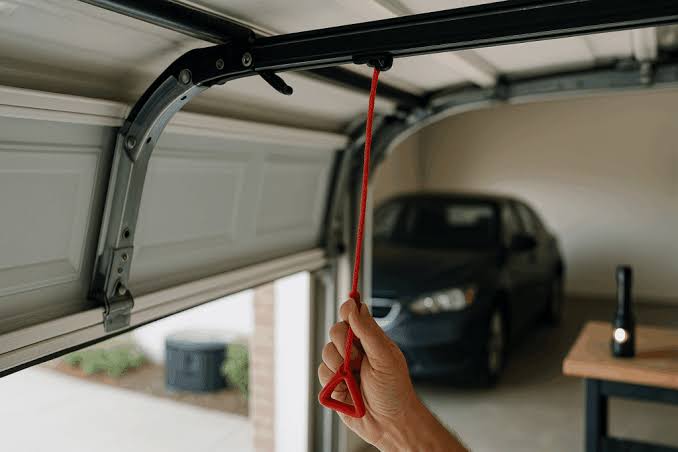
Before you attempt to move a 150-pound steel door, it is vital to understand the mechanism at play. Modern garage door openers utilize an emergency release cord (often red) that disengages the trolley from the opener carriage. This allows the door to slide freely along its tracks via the counterbalance spring system.
According to industry standards outlined by the International Door Association, manual operation is a built-in safety feature designed specifically for power failures or mechanical malfunctions. However, this system relies entirely on your door’s springs being properly calibrated. If your springs are broken, the door will be dangerously heavy; in such cases, do not attempt to lift or lower it alone.
Key Components to Identify
- Emergency Release Cord: Usually red, hanging from the trolley rail.
- Trolley/Carriage: The moving part connected to the arm that pushes/pulls the door.
- Tracks and Rollers: Ensure these are clear of debris before manual operation.
- Locking Bar: Some doors have manual slide locks that must be disengaged first.
Step-by-Step: How To Close Garage Door Manually When Power Is Out
Follow these precise instructions to safely lower your door. Safety Warning: Never pull the emergency release cord while the door is in motion or partially open unless absolutely necessary, as the sudden shift in tension can cause injury. Ideally, perform this when the door is fully open.
Step 1: Clear the Area and Inspect
Ensure no people, pets, or objects are in the door’s path. Visually inspect the tracks for obstructions like tools, ice, or debris. Verify that the manual lock bars (if present) are in the unlocked position. Attempting to force a locked door can bend the tracks or damage the panels.
Step 2: Pull the Emergency Release Cord
Locate the red emergency release cord hanging from the opener rail near the motor unit. Firmly grasp the handle and pull it straight down toward the floor. You should hear or feel a distinct click indicating the trolley has disengaged from the drive mechanism.
Expert Tip: If the cord resists, do not yank violently. Gently wiggle the door up and down slightly to relieve pressure on the latch mechanism, then try pulling again.
Step 3: Lower the Door Slowly and Evenly
With the door disengaged, place both hands firmly on the bottom panel or designated grip handles. Lower the door using your legs, not your back. A properly balanced door should weigh no more than 10–15 pounds of perceived effort.
- Maintain Control: Do not let go. Gravity can accelerate the door quickly if the springs are weak.
- Keep Hands Clear: Keep fingers away from section joints and rollers to prevent pinching.
- Guide the Tracks: Ensure the door stays aligned within the vertical tracks as it descends.
Step 4: Secure the Door Completely
Once the door touches the concrete, press down gently to ensure the weather seal compresses evenly. Engage any manual slide locks or T-handle locks immediately. Since the automatic opener is disengaged, the door will not lock automatically, leaving your home vulnerable without this step.
Step 5: Reconnect the Opener (When Power Returns)
After power is restored, you must re-engage the trolley. Pull the emergency release cord toward the motor unit (or follow the manufacturer’s specific reset lever direction). Run one complete open-close cycle using the wall button to verify alignment. Listen for unusual grinding noises which indicate misalignment.
Pros and Cons of Manual Operation During Outages
Understanding the trade-offs helps you decide whether to operate the door yourself or wait for professional help.
| Feature | Manual Operation | Waiting for Power/Pro |
|---|---|---|
| Security | ✅ Immediate protection | ❌ Home remains exposed |
| Cost | ✅ Free (DIY) | ❌ Service call fees ($75-$150+) |
| Safety Risk | ⚠️ Moderate (spring tension) | ✅ Low (professional handling) |
| Time Required | ✅ 5-10 minutes | ❌ Hours to days depending on outage |
| Equipment Needed | ✅ None | ❌ May require special tools |
Critical Safety Warnings You Must Not Ignore
While learning how to close garage door manually when power is out is empowering, safety must remain paramount. Garage doors are typically the largest moving object in a home and store significant kinetic energy.
- Never Adjust Springs Yourself: Torsion springs store enough energy to cause severe injury or death. Spring adjustment is strictly for certified technicians.
- Check Balance Regularly: If the door feels excessively heavy (>20 lbs of lift force), your springs may be failing. Stop immediately and call a professional.
- Disconnect Power First: Before reconnecting after an outage, unplug the opener to prevent accidental activation while your hands are near moving parts.
- Use Proper Footwear: Wear closed-toe shoes with grip. Concrete floors can be slippery, especially during storms.
- Two-Person Rule: For double-car doors or doors showing signs of imbalance, always have a second person assist to stabilize the descent.
Frequently Asked Questions (FAQ)
Can I close my garage door manually if the spring is broken?
Technically yes, but it is extremely dangerous and not recommended. A broken spring means the full weight of the door (150-300 lbs) rests on your arms. The door could slam shut uncontrollably, causing severe injury or property damage. Call a 24/7 emergency garage door service instead.
Why won’t my garage door stay closed after manual operation?
This usually indicates two issues: either the manual locks were not engaged, or the door is improperly balanced and creeping upward due to over-tensioned springs. Check locks first. If the door rises on its own, your springs need professional recalibration.
How often should I test the emergency release cord?
Test the emergency release mechanism every six months as part of routine maintenance. Cords can become stiff or corroded over time. Regular testing ensures smooth operation during actual emergencies and prevents panic-induced mistakes.
Will manually closing the door damage my automatic opener?
No, provided you correctly disengage the trolley before moving the door. Damage occurs only when homeowners attempt to force the door while still connected to the drive chain/belt. Always pull the release cord first, and re-engage properly afterward.
What if the emergency release cord is stuck or broken?
If the cord snaps or the mechanism jams, locate the manual release lever on the trolley assembly itself (consult your opener’s manual for model-specific location). As a last resort, some models allow track-mounted bolt removal, but this requires technical knowledge. When in doubt, contact a professional rather than forcing components.
Can I use a battery backup to avoid manual operation entirely?
Yes! Many modern openers offer integrated battery backup systems that provide 10-20 cycles during outages. If you live in an area with frequent power disruptions, upgrading to a unit with battery backup is a wise investment that eliminates manual operation risks entirely.
Conclusion: Secure Your Home With Confidence
Knowing how to close garage door manually when power is out transforms a stressful emergency into a manageable task. By following these safety-first steps, understanding your equipment, and recognizing when to call professionals, you protect both your property and your family. Remember: regular maintenance and semi-annual testing of your emergency release system are just as important as knowing how to use it.
Don’t wait for the next storm to discover your system isn’t working. Take five minutes today to locate your emergency release cord and verify smooth operation. Your future self will thank you when the lights go out.
Found this guide helpful? Share it with neighbors, friends, and family on social media so they’re prepared too! Tag us @YourBrand and use #GarageDoorSafety to help others stay secure during unexpected outages. Stay safe, stay prepared!
Leave a Reply