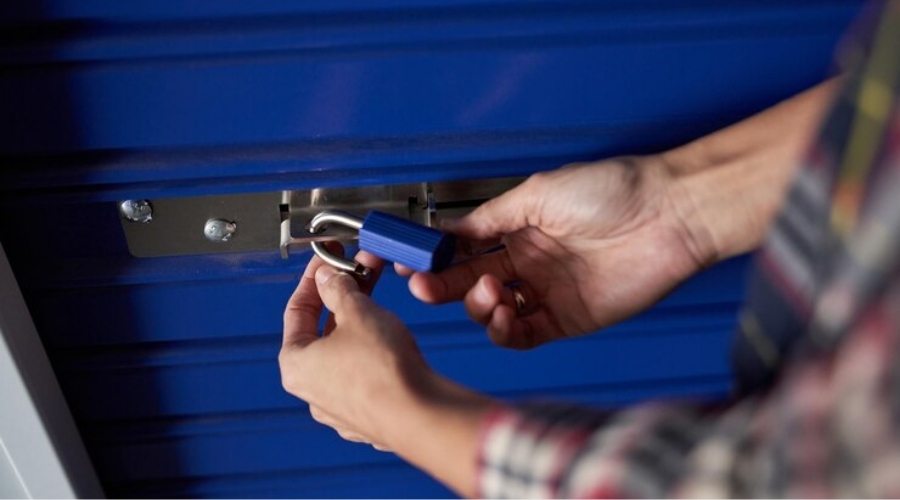
Losing your only set of garage keys can be incredibly frustrating, leaving your vehicles trapped and your home vulnerable to intruders. If you are urgently wondering how to change a garage door lock barrel without key, you have come to the exact right place to solve this problem. This guide will walk you through a simple, safe, and cost-effective process to restore your property’s security without calling a professional locksmith.
How To Change A Garage Door Lock Barrel Without Key: A Step-by-Step Guide
When you have the original key, changing a garage door lock is as simple as turning the cylinder, loosening a set screw, and sliding the old barrel out. However, losing the key complicates the process significantly. Because the locking pins are engaged, the barrel is firmly trapped inside the housing.
According to the FBI’s Uniform Crime Reporting (UCR) program, over 55% of home burglaries involve forced entry through unsecured access points like garages and back doors. Therefore, securing your garage promptly is not just a convenience; it is a strict security necessity.
“Replacing a compromised lock immediately is crucial; waiting even a single day with a lost key can leave your property wide open to unauthorized access,” notes Mike Reynolds, a certified master locksmith with over 15 years of field experience. To bypass the missing key, we must use a destructive extraction method. This involves drilling directly into the lock mechanism to destroy the pins holding the cylinder in place.
What Tools Do You Need for a Garage Door Lock Replacement?
Before you begin this DIY project, gathering the right hardware and safety gear is essential. Working with metal and power tools requires precision.
Here is your essential toolkit:
- Power Drill: A reliable cordless or corded drill.
- Metal Drill Bits: You will need a 1/8-inch pilot bit and a 1/4-inch cobalt or titanium-coated bit for cutting through hardened steel.
- Screwdrivers: Both flathead and Phillips head (size #2) for removing the interior handle.
- Needle-Nose Pliers: For extracting broken metal fragments.
- Replacement T-Handle Lock: Ensure you buy a universal or direct-fit replacement cylinder from your local hardware store.
- Safety Gear: Shatterproof safety goggles and heavy-duty leather work gloves.
- Graphite Lubricant: To ensure smooth operation of the new lock.
The Step-by-Step Process to Remove the Old Lock Cylinder
Now that your workstation is prepped, it is time to tackle the actual extraction. Follow these concrete steps to guarantee a smooth replacement.
Step 1: Remove the Interior Handle Assembly
Open the garage door from the inside. Locate the locking handle mechanism on the interior panel. Using your Phillips head screwdriver, remove the two or four mounting screws securing the handle to the door. Carefully pull the handle assembly away from the door, exposing the back of the lock barrel.
Step 2: Drill a Pilot Hole into the Keyway
Put on your safety goggles. Take your drill with the 1/8-inch drill bit and place it directly into the center of the keyhole from the outside. Drill straight into the lock to a depth of exactly 1 inch (approx. 25 mm). This pilot hole guides the larger bit and prevents the drill from slipping off the hardened metal.
Step 3: Destroy the Locking Pins
Switch to the 1/4-inch cobalt drill bit. Insert it into the pilot hole you just created. Apply steady, firm pressure and drill to a depth of 3/4 inch (approx. 19 mm).
Most standard garage locks operate as a pin tumbler lock. By drilling to this specific depth, you will shear off the brass pins that bind the inner cylinder to the outer casing. You will feel the drill suddenly break through the metal resistance when the pins are successfully destroyed.
Step 4: Extract the Damaged Barrel
Move back to the interior side of the door. Use your flathead screwdriver to gently pry the back of the lock cylinder. Because the retaining pins are now destroyed, the barrel should slide out easily. If it is stubborn, use your needle-nose pliers to grip the edge and pull it out. Wipe away any metal shavings with a clean rag.
Step 5: Install the New Lock Barrel
Take your new replacement barrel and apply a tiny pinch of graphite lubricant to the exterior. Slide the new cylinder into the hole from the outside. Ensure the alignment notches match up perfectly with the interior handle mechanism. Reattach the interior handle, tighten the screws securely, and test the new keys to ensure they turn smoothly.
Comparing Popular Garage Door Lock Types
When buying your replacement, you might wonder which locking mechanism offers the best security. Below is a quick comparison to help you make an informed decision.
| Lock Type | Security Level | Ease of Installation | Best Use Case |
|---|---|---|---|
| T-Handle Lock | Moderate | Very Easy | Standard residential garage doors; most common OEM replacement. |
| Deadbolt Lock | High | Moderate | High-crime areas; adds an extra layer of heavy-duty physical security. |
| Slide Bolt (Padlock) | High (with good padlock) | Hard | Outbuildings or detached garages; requires hasp installation. |
| Smart Garage Lock | Very High | Moderate | Tech-savvy homeowners; allows remote access and entry tracking. |
Choosing the right lock ensures you won’t need to learn how to change a garage door lock barrel without key again anytime soon.
Expert Tips for Maintaining Your New Garage Lock
Installing the lock is only half the battle. To prevent future jams or broken keys, proper maintenance is vital.
- Avoid Liquid Lubricants: Never use WD-40 or silicone sprays inside a garage door lock. These liquids attract dust, dirt, and grime, which eventually clog the delicate pins. Always use dry graphite powder.
- Weatherproof the Cylinder: Garages experience extreme temperature shifts. Spray a light coat of clear rust-inhibitor on the exterior face of the lock to prevent moisture from freezing the cylinder during harsh winter months.
- Check the Strike Plate: Ensure the metal strike plate on the door frame is perfectly aligned with the locking bar. Misalignment puts stress on the key, which is a leading cause of keys snapping inside the barrel.
Frequently Asked Questions (FAQ)
1. Can I just pick the lock instead of destroying it?
While picking a lock is possible for certified locksmiths, it is highly difficult for beginners on heavy-duty exterior garage cylinders. Furthermore, if your key is lost or stolen, picking the lock does not solve the security risk. Changing the barrel ensures the stolen key can never be used again.
2. What type of replacement barrel should I buy?
Look for a “universal T-handle lock cylinder” or a direct OEM (Original Equipment Manufacturer) replacement. Check the brand of your current garage door (e.g., Clopay, Wayne Dalton, or Overhead Door) and buy a matching cylinder to ensure the stem length perfectly fits your interior handle.
3. Is it legal to drill out my own garage lock?
Yes, it is entirely legal to drill out a lock on a property that you own or legally rent. However, if you are renting, you must notify your landlord or property management company before making destructive modifications to the door hardware.
4. How often should garage door locks be replaced?
For optimal security, exterior locks should be inspected annually and completely replaced every 5 to 7 years. Environmental exposure to rain, humidity, and dust degrades the internal brass pins over time, making them prone to snapping or jamming.
5. Will this drilling method work on all garage door types?
This specific drilling method works on almost all standard sectional roll-up garage doors equipped with exterior T-handle cylinders. It will not work on electronic keypad locks or deadbolts, which require entirely different removal procedures.
Conclusion
Learning how to change a garage door lock barrel without key might seem intimidating at first glance, but with the right tools and a systematic approach, it is a highly manageable DIY task. By safely drilling out the compromised cylinder and installing a fresh, secure replacement, you instantly restore peace of mind and protect your home from unauthorized entry. You save time, avoid expensive emergency locksmith fees, and gain valuable home maintenance skills along the way.
Did you find this step-by-step guide helpful? Don’t keep this knowledge to yourself! Share this article on your favorite social media platforms like Facebook, X (Twitter), or Pinterest to help your friends and family secure their homes today.
Leave a Reply