Introduction
Is your garage door stuck open or closed because of a blinking sensor light? You are not alone. Thousands of homeowners face this frustrating issue every year, often when they are in a rush to leave or arrive home. Understanding how to bypass the sensors on a garage door opener can be a critical skill for emergency access, but it must be done with extreme caution. This guide will walk you through safe, temporary methods to get your door moving while prioritizing the safety of your family and property.
Why Do Garage Door Sensors Fail?
Before attempting any workaround, it is essential to understand why the system stopped working. Garage door openers use infrared beams to detect obstacles. If the beam is interrupted, the door reverses. When this system fails, it is rarely malicious; it is usually mechanical or environmental.
Common causes include:
- Misalignment: Even a millimeter shift can break the infrared connection.
- Dirty Lenses: Dust, spider webs, or mud can block the signal.
- Sunlight Interference: Direct sunlight hitting the receiver can blind the sensor.
- Wiring Issues: Frayed wires or loose connections at the motor head.
According to the Consumer Product Safety Commission, garage door entrapment incidents are a significant risk, which is why the safety reversal system is non-negotiable for long-term use.
Method 1: The Wall Button Override (Safest First Step)
Most modern garage door openers have a built-in override feature that allows you to close the door even if the sensors are malfunctioning. This is the safest method because it requires continuous user input.
Step-by-Step Instructions:
- Locate the Wall Control Panel: This is usually mounted inside the garage near the entry door.
- Identify the Close Button: Look for the button labeled “Close” or a downward arrow.
- Press and Hold: Unlike normal operation, you must press and hold the button down.
- Keep Holding Until Closed: Do not release the button until the door touches the floor. If you release it midway, the door will stop immediately.
Why this works: This feature tells the motor to ignore the sensor beam temporarily, assuming a human is actively monitoring the door’s path.
Method 2: Cleaning and Realignment (The Permanent Fix)
Often, users search for a bypass because they don’t realize the fix is simple. Before resorting to overrides, try these steps.
Cleaning the Lenses
Use a soft, dry microfiber cloth to wipe both the sending and receiving eyes. Avoid using water or chemical cleaners, which can leave residues.
Checking Alignment
Look at the LED lights on each sensor:
- Green Light: Usually indicates the sending unit is powered.
- Amber/Red Light: Indicates the receiving unit. If it is blinking or off, the beam is broken.
Adjustment Tip: Loosen the wing nut on the bracket slightly. Gently tap the sensor housing until the amber light turns solid. Tighten the nut carefully without shifting the angle.
Method 3: Temporary Wiring Bypass (Emergency Only)
If the wall button override does not work and you are locked out, you may need to bypass the sensor circuit entirely. Warning: This removes all safety protections. Ensure no people, pets, or objects are in the door’s path.
Tools Needed:
- Wire strippers
- Electrical tape
- Short piece of insulated wire (18-22 gauge)
Steps:
- Disconnect Power: Unplug the garage door opener from the outlet.
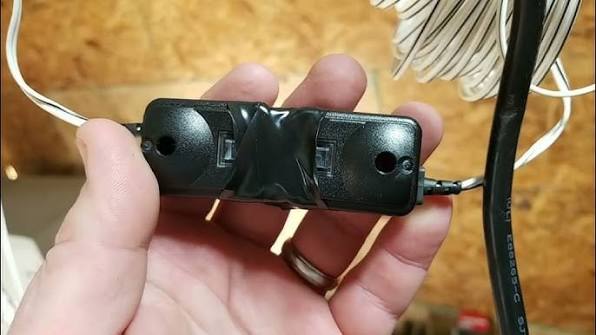
- Locate Sensor Wires: Follow the wires from the sensors back to the motor head. They are usually connected to terminals labeled “Safety Eyes” or similar.
- Cut and Strip: Cut the wires leading to the sensors, leaving enough length to reconnect later. Strip about ½ inch of insulation from the ends.
- Bridge the Circuit: Twist the two wires from the motor side together (not the sensor side). This simulates a continuous “clear” signal.
- Insulate: Wrap the connection tightly with electrical tape.
- Restore Power: Plug the opener back in. The door should now operate normally.
Critical Note: You must reinstall the sensors as soon as possible. Operating without them is a violation of safety codes and poses a severe crushing hazard.
Comparison: Temporary Fixes vs. Professional Repair
| Feature | Temporary Bypass | Professional Repair |
|---|---|---|
| Cost | Free | $100 – $300 |
| Time | 10-30 minutes | 1-2 hours (scheduling) |
| Safety | Low (No obstacle detection) | High (Full compliance) |
| Durability | Not a solution | Long-term fix |
| Legal Risk | High (Liability for accidents) | None |
When to Call a Professional
While knowing how to bypass the sensors on a garage door opener is useful for emergencies, some issues require expert attention:
- Frequent Misalignment: If sensors drift daily, the mounting brackets may be loose or the track bent.
- Intermittent Failure: This could indicate a failing logic board in the motor unit.
- Damaged Wiring: If wires are chewed by pests or frayed, they need proper replacement.
FAQ Section
Q1: Is it illegal to bypass garage door sensors?
A: It is not illegal to temporarily bypass them for emergency access or troubleshooting. However, permanently disabling them violates federal safety regulations (UL 325 standard) and can void your homeowner’s insurance if an accident occurs.
Q2: Can sunlight really interfere with garage door sensors?
A: Yes. In late afternoon or early morning, direct sunlight can overwhelm the infrared receiver. A simple fix is to attach a cardboard shade or tube around the sensor to block ambient light.
Q3: Why does my door close but then immediately reopen?
A: This is a classic sign of sensor misalignment or obstruction. The door starts closing, detects a “beam break,” and reverses as a safety precaution. Check for dirt or misalignment first.
Q4: How do I know if my sensors are bad or just misaligned?
A: If the LED light on the receiving sensor is completely off (not blinking), it may be a power issue. If it blinks when you try to close the door, it is likely misaligned. If it stays solid but the door still reverses, the sensor may be faulty.
Q5: Can I use a magnet to bypass the sensors?
A: No. Garage door sensors use infrared light, not magnetic fields. Magnets will have no effect on the photo-eye system. This is a common myth.
Q6: What should I do if the wall button override doesn’t work?
A: If holding the wall button does not close the door, the issue may lie with the motor’s logic board or the travel limits. Do not attempt further electrical bypasses unless qualified. Call a certified technician.
Conclusion
Learning how to bypass the sensors on a garage door opener is a valuable emergency skill, but it should never replace proper maintenance. Always prioritize cleaning and realignment before resorting to wiring hacks. Remember, these sensors exist to protect your loved ones. Once you have gained access, make it a priority to restore the safety system immediately.
If you found this guide helpful, please share it with friends and family to promote garage safety awareness. Stay safe, and keep your home secure!
Leave a Reply